Organic Orchards & Organic Edible Gardens
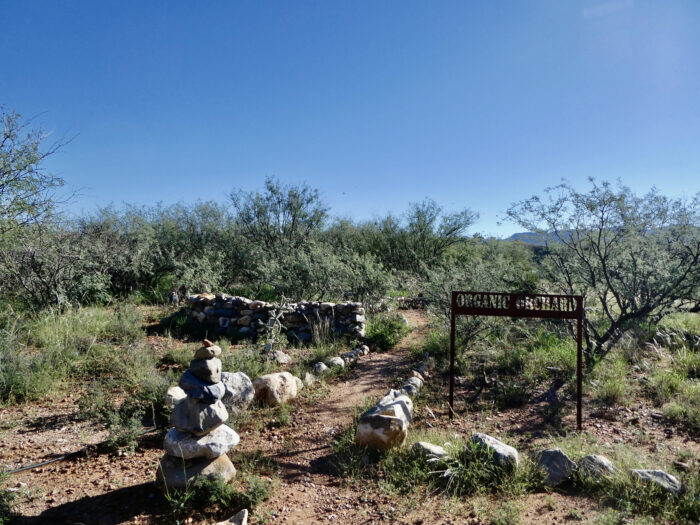
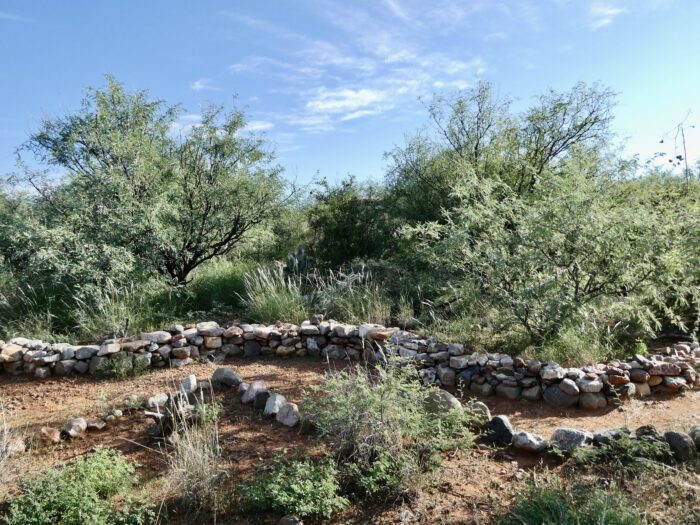
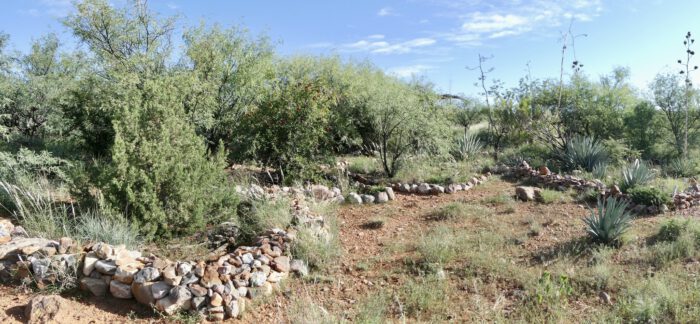

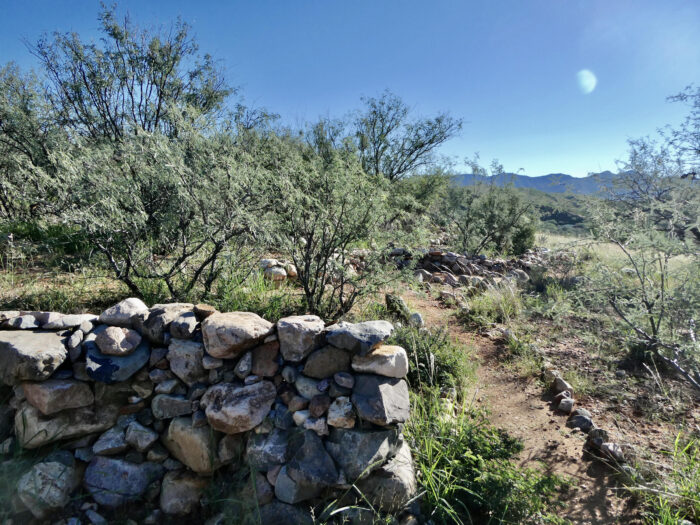
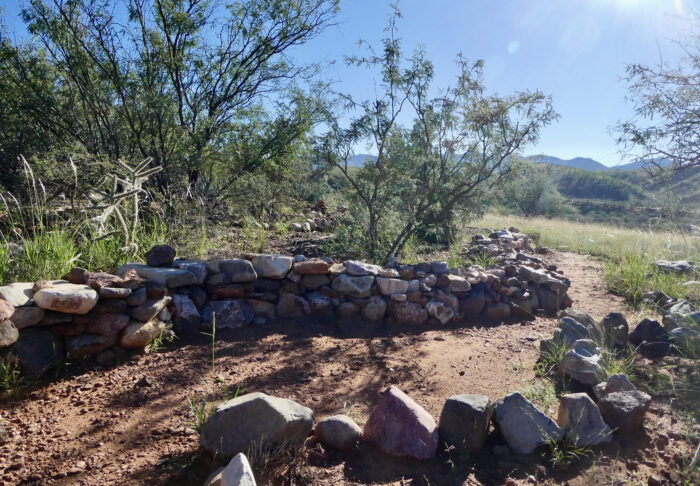
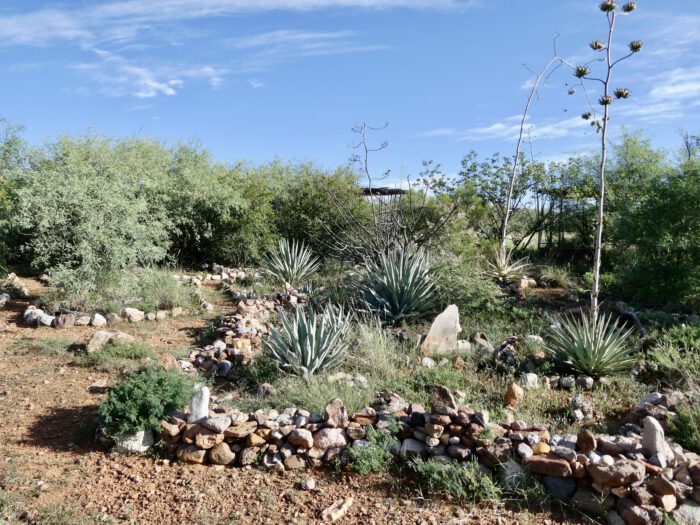

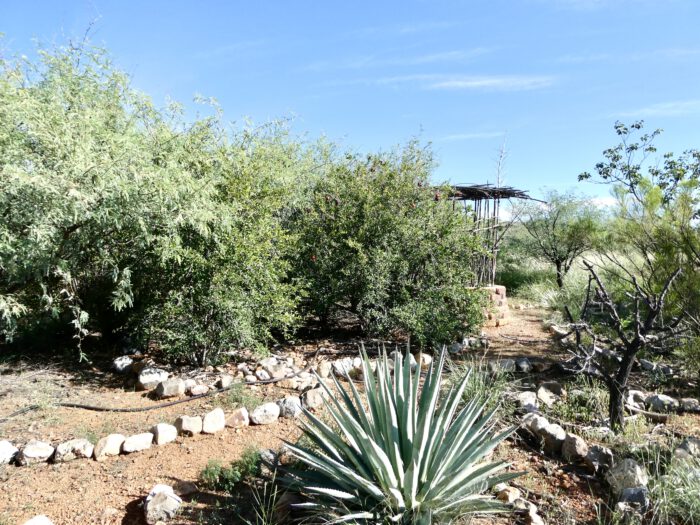
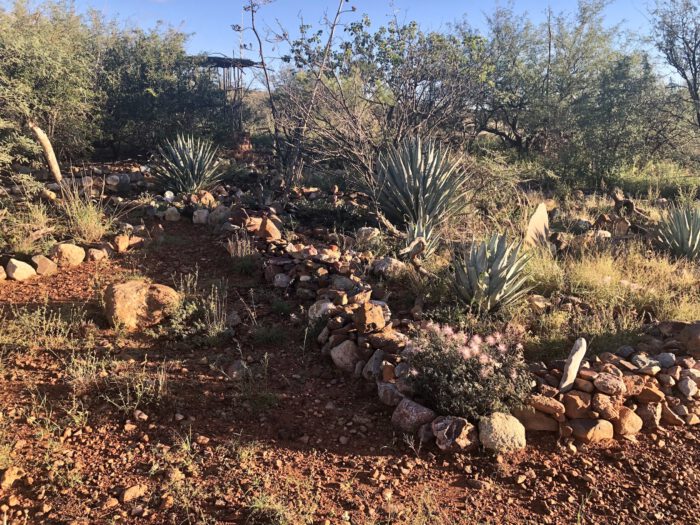

Upon arrival in March 2008, Vincent and Claudia were determined to grow as much of their own organic food as possible. Vincent soon selected the most suitable locations – both near the house and just outside the Sky Islands Discovery Center – to plant a variety of nutritious and delicious fruits, vegetables, and herbs within our Organic Gardens and Organic Orchards. From day one, Vincent and Claudia have been growing local varieties of food using their own organic compost, naturally improving soil quality while promoting food diversity. All told, they have been able to gainn much energy and health from producing their own organic food and herbs.


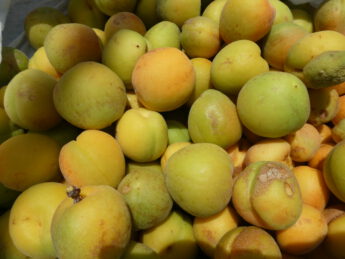


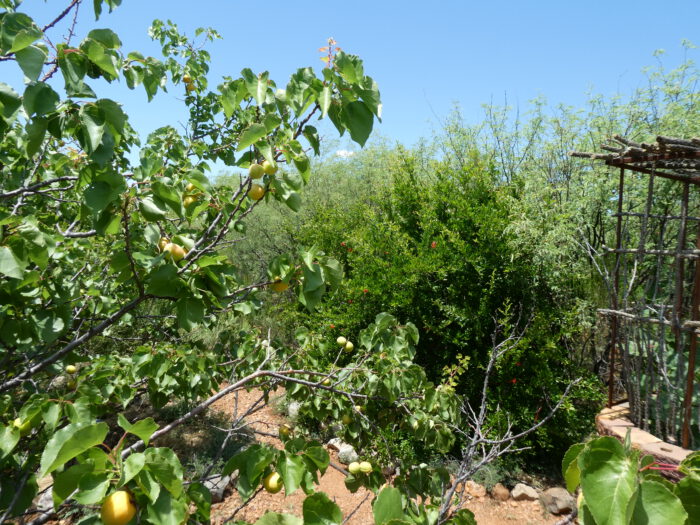


Growing your own organic food is a keystone action that will have a large positive impact on both human and planetary health. Start small if you don’t have space and/or you haven’t grown food before. Once you experience the multiple benefits of producing some of your own food, you’ll be participating in the beautiful energy cycle that revolves full circle from soil – seed – flower – fruit – food – compost and around to soil again. You will be fully responsible for the rewarding process of growing healthy food for yourself! In the end you’ll wind up spending more time outside, interacting with nature, exercising more, eating much healthier organic food.


 In March 2008, Vincent designed our organic gardens and orchards to benefit from passive and active water harvesting techniques. Practicing efficient, deep watering with recycled rainwater lowers water use and produces delicious, home-grown organic foods. Vincent and Claudia have artfully incorporated their food-growing spaces into the natural landscapes at Raven’s Nest. Thus, native Mesquite trees serve as shade and wind protection, also producing mulch each year for the gardens they grow in and fruit trees they rub elbows with. The Mesquites also produce deliciously sweet edible pods that were and are staples of some southwestern native nations. Similarly, many native wildflowers are encouraged to grow and bloom within the gardens, helping to support the native pollinators essential to producing quality organic food. Overall, there is literally a fruitful melding of wild areas into both the gardens and orchards.


Greatly helping to support our food and herb production is the rich, home-grown compost made at Raven’s Nest. All vegetative food scraps along with other organic matter – small branches, dry grass clippings, and leaves – combine to produce a soil brimming with life The organic material is simply buried in soil within an enclosed/protected area dedicated to composting. Rains and rare snows water the would-be compost, which is efficiently mixed by the digging actions of various underground insects and other soil fauna. Organic compost is the basis for growing the healthiest, most nutritious, disease-resistant, and environmentally safe foods. When added to the soil it helps retain water, adds valuable nutrients, and neutralizes the alkalinity of Sky Islands soils.
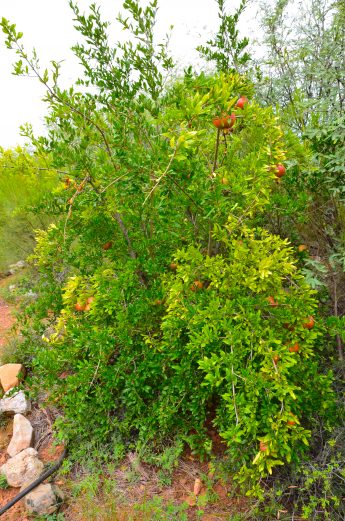
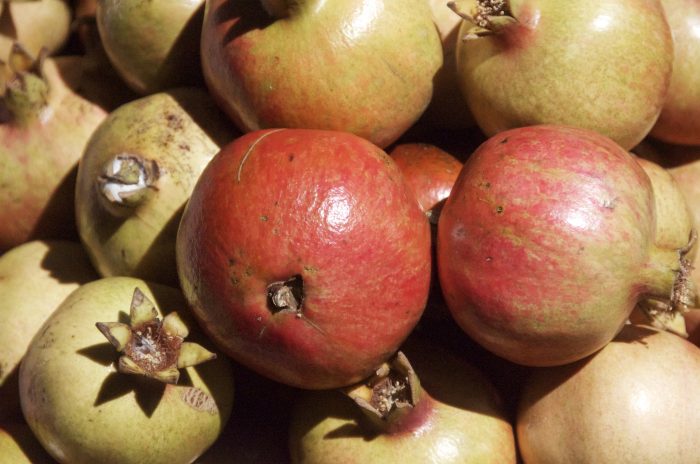
As a testament to the productivity of the food-growing system at Raven’s Nest, the Organic Orchards and Edible Gardens near the house started on dense, clay soils, while those by the Sky Islands Discovery Center began on austere and nutrient-poor sandy soils. Years of persistent composting have altered those reticent soils into productive ones. One of the biggest success stories has been the organic Pomegranates – both red and white Kino Heritage varieties. They are a mainstay of fruit in Vincent and Claudia’s diet, having numerous health benefits on top of their utterly delicious taste.
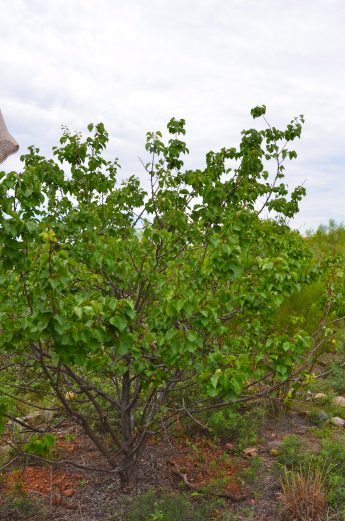
Over the years the heirloom Kino Heritage Fruit Trees in our Organic Orchards have produced a wide range of foods, including:
- Apricots
- Pomegranates
- Peaches
- Cherries
- Grapes
- Quinces
- Plums
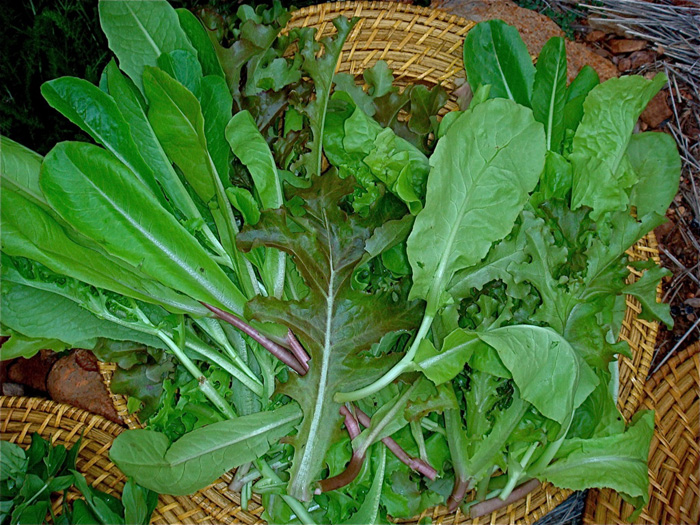
Meanwhile our Organic Edible Gardens furnished us with:
- Tomatoes – a wide variety of types
- Peppers – both sweet and hot
- Eggplants
- Watermelons
- Canteloupes
- Strawberries
- Broccoli
- Lettuces
- Green Onions
- Corn
- Various Herbs – Basil, Oregano, Sage, Thyme, Rosemary, Peppermint, & other mints
- Decorative and useful Gourds
One huge ancillary benefit of growing organic food is the boost it gives to native pollinators. It is common to witness various butterflies and native bees alighting on Apricot blossoms or to watch as hummingbirds pollinate pomegranate flowers. Helping to support local Sky Islands biodiversity has always been one of our key goals in producing our own organic food.