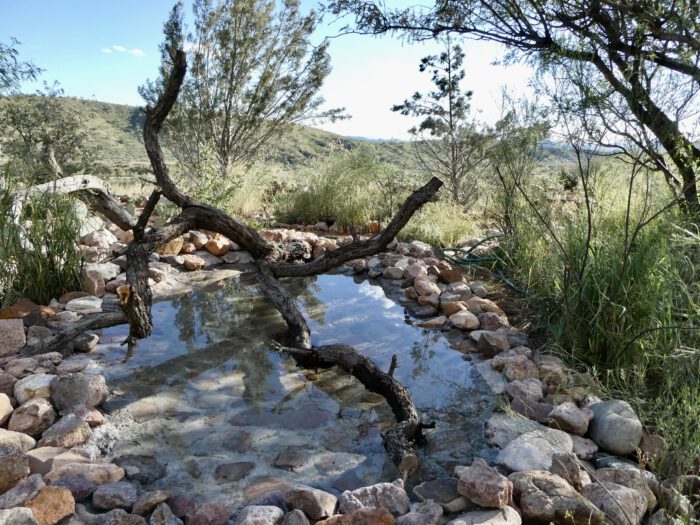
Sky Islands Birding Mecca


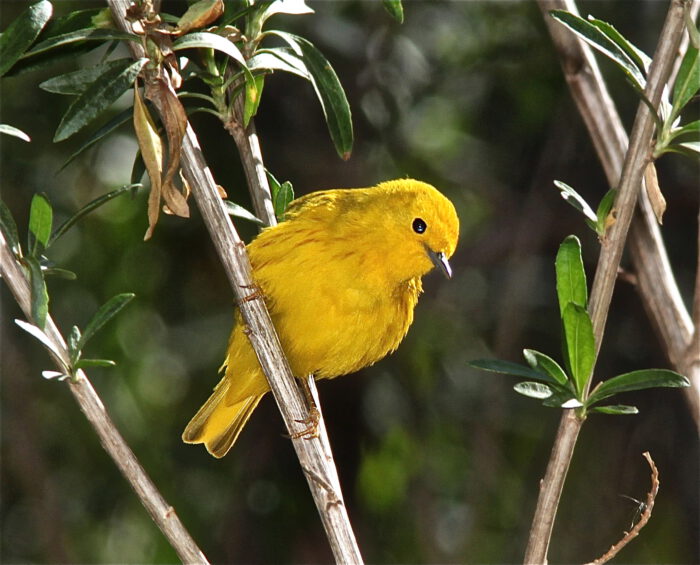
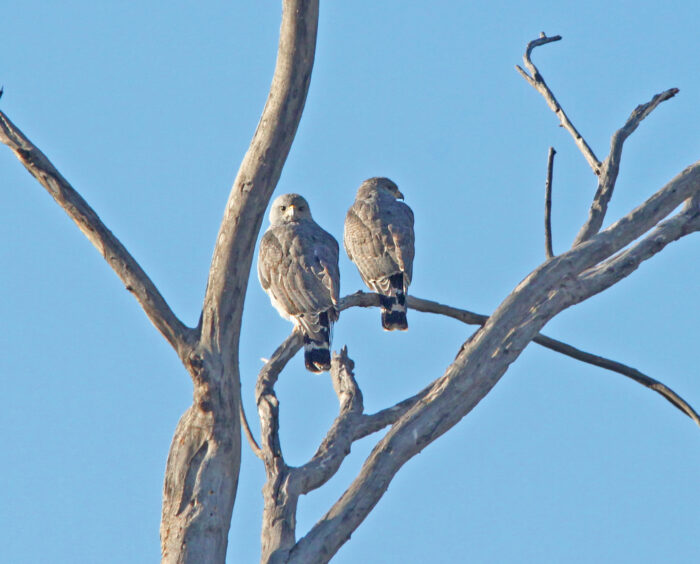
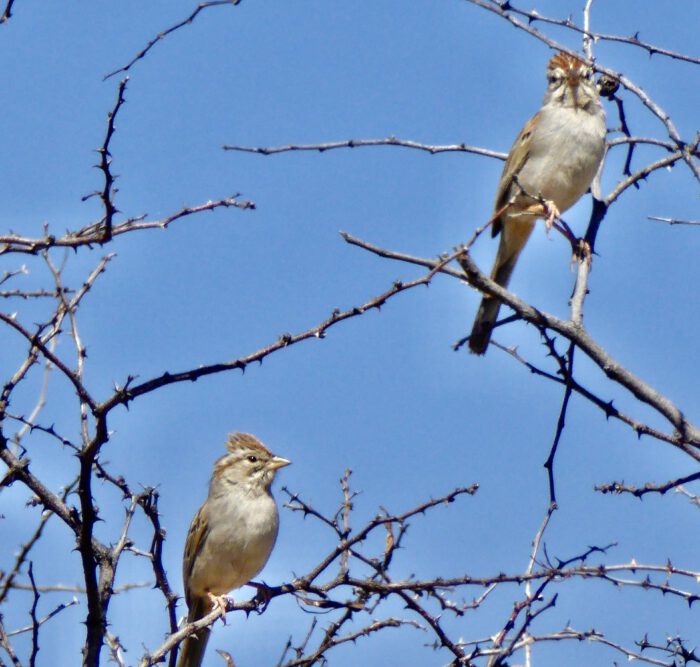
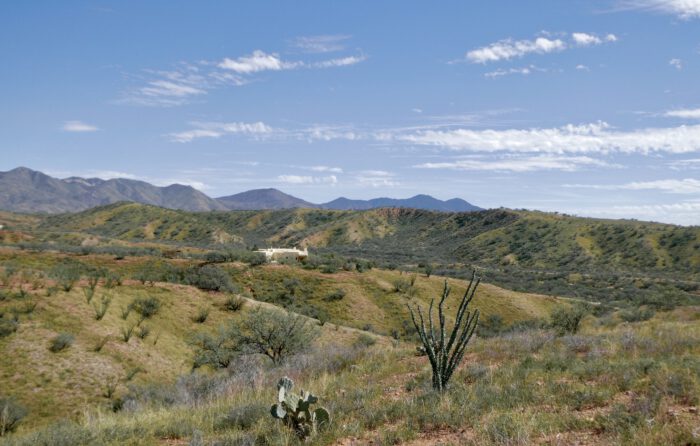
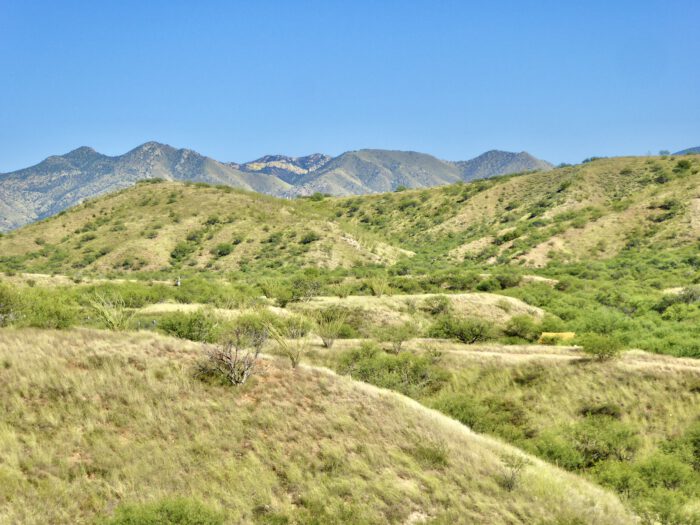
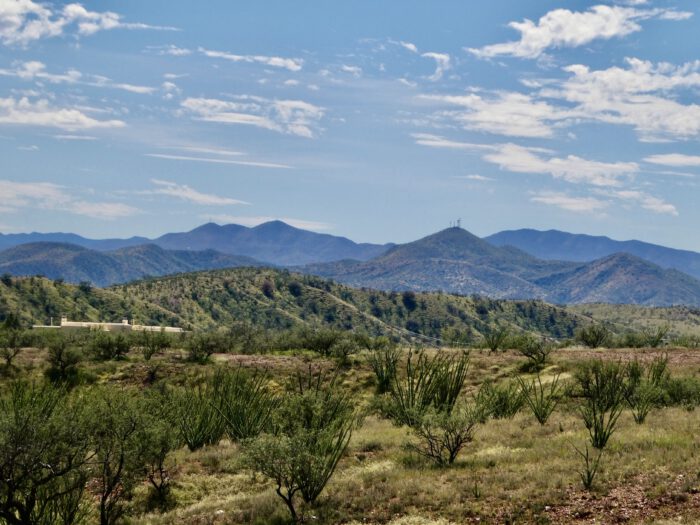
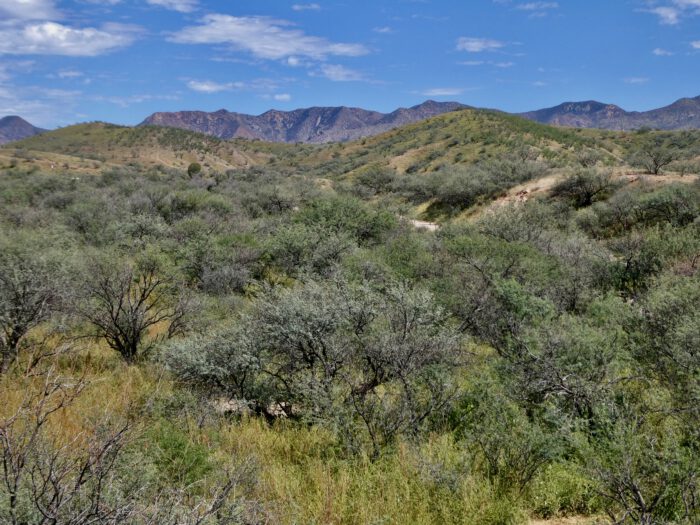
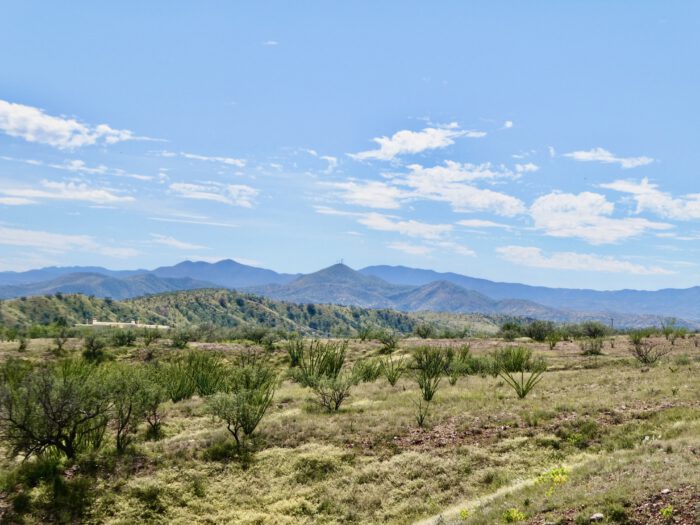
Arizona is the third most biodiverse state in the United States, hosting more than 550 bird species across a dramatic elevation gradient — from low desert valleys to 12,000-foot peaks. The majestic Sky Islands bio-region of southeast Arizona is world renowned for its unique biodiversity and as a world-class birding destination. Rising dramatically out of the desert basin, the Sky Islands are isolated, forested mountain ranges rising steeply from generally treeless valleys. Chihuahuan and Sonoran Desert as well as grasslands cover lower valleys. Higher up, dense and shrub-filled chaparral grades into Madrean Evergreen Woodland dominated by oaks, junipers, and pine. The highest habitats atop taller mountains include pine-oak and mixed conifer forests reminiscent of Canada. Each distinct habitat supports bird species suited to its specific environmental conditions. This rare confluence of habitats makes for widely varying and memorable species lists across various Sky Islands destinations.
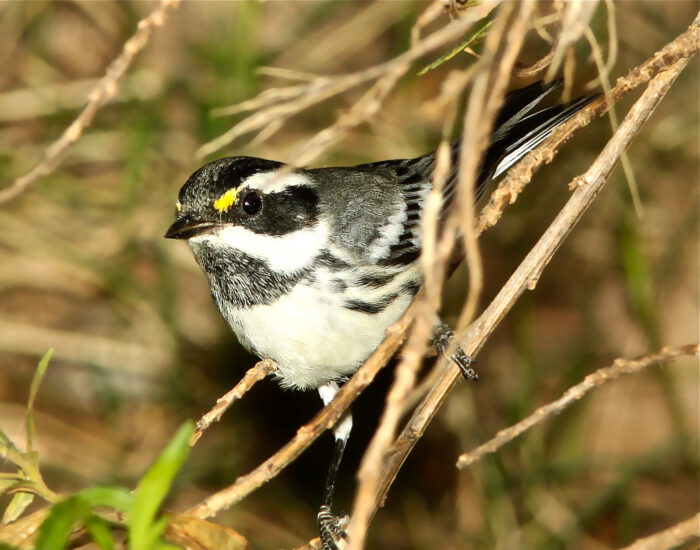
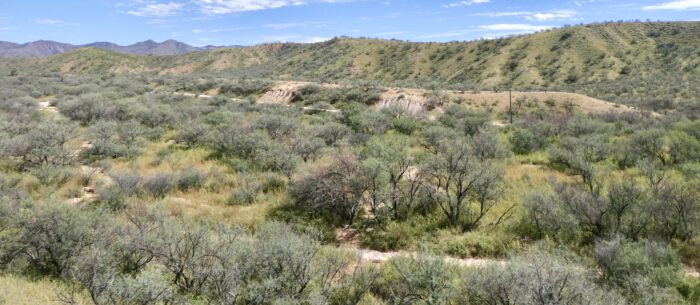
The Sky Islands bio-region of southeast Arizona is a world renowned birding destination and arguably the birding capitol of the U.S. The combination of wild and pristine birding habitats paired with well-developed infrastructure makes for a “perfect storm” when it comes to recording a big species list as well as numerous regional rarities.
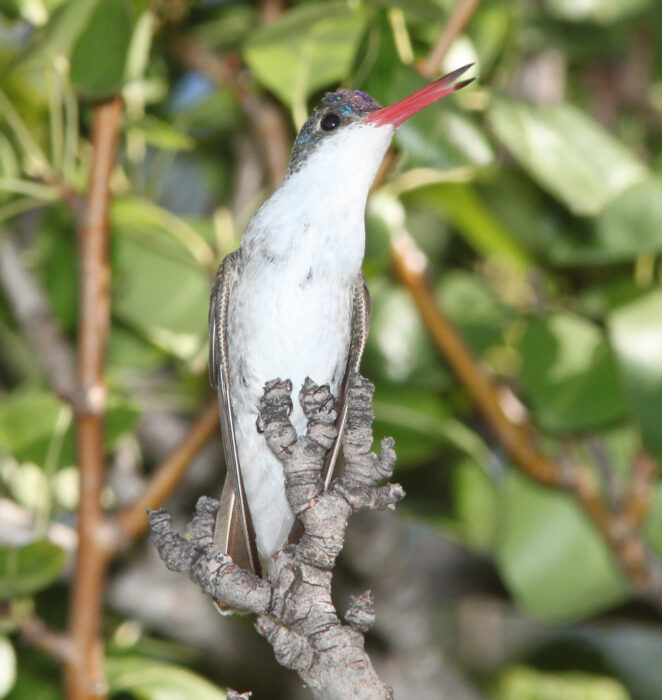
Highlights of bird diversity in the Sky Islands include:
- The greatest number of Sparrow species on Earth
- The highest density of breeding Raptors on the planet
- The most Hummingbird species in the U.S.
- Rare borderland species rarely recorded or absent in the rest of the U.S. – Tufted Flycatcher, Arizona Woodpecker, Rufous-backed Robin, Elegant Trogon, Sulphur-bellied Flycatcher, Thick-billed Kingbird, Greater Peewee, Five-striped Sparrow, Whiskered Screech Owl, Violet-crowned Hummingbird, Berylline Hummingbird, Plain-capped Starthroat, Aztec Thrush, Blue Mockingbird, Black-capped Gnatcatcher, Sinaloa Wren, Rose-throated Becard, etc….
- Post-breeding seabird rarities such as Blue-footed Booby and Juan Fernandez Petrel blown in by storms
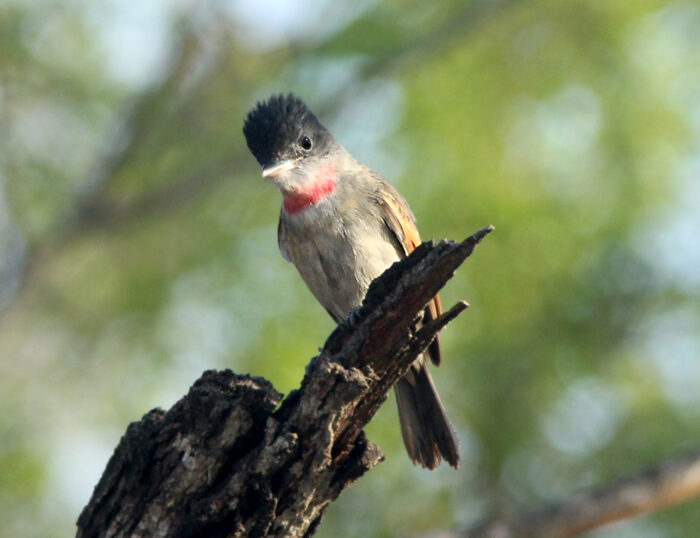
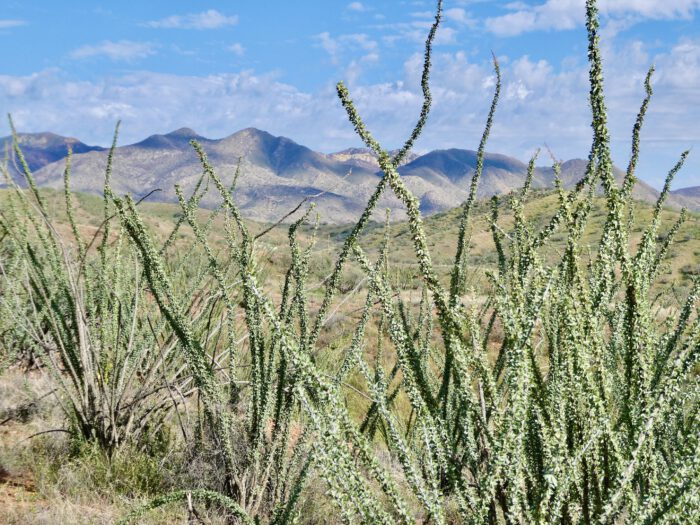
Centrally located in the U.S. portion of the Sky Islands and situated at 4,000’ in elevation, Raven’s Nest Nature Sanctuary bridges the gap between the more extreme habitats found at lower or higher elevations.
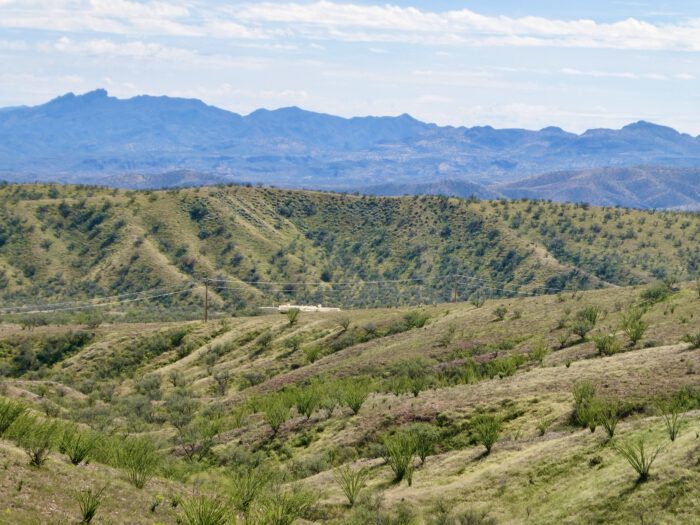
The preserve’s 42 acres showcase a diverse and resilient set of Sky Islands habitats where 171 bird species have been recorded since 2008. This ever-growing number – made possible by relentless conservation strategies employed for almost 20 years – makes the preserve an elite U.S. birding location.
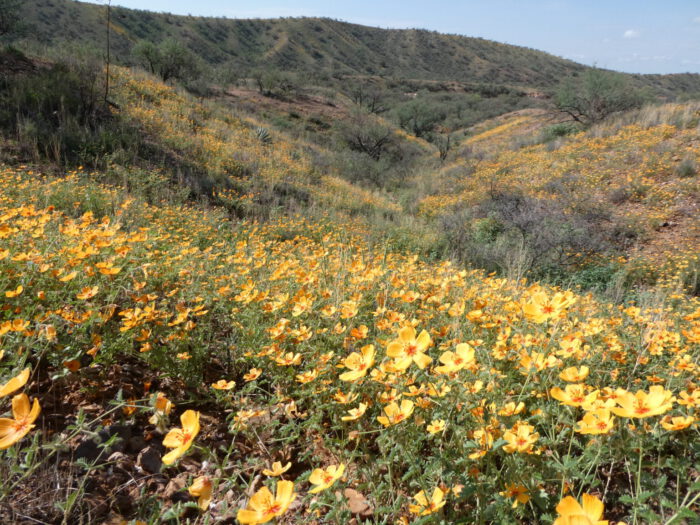
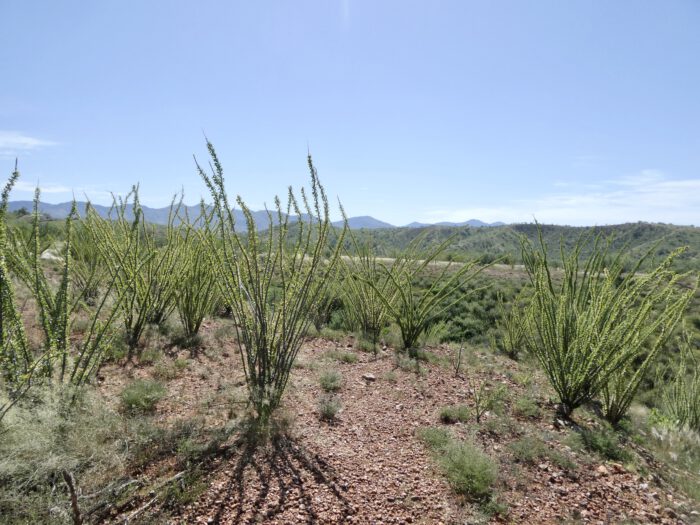
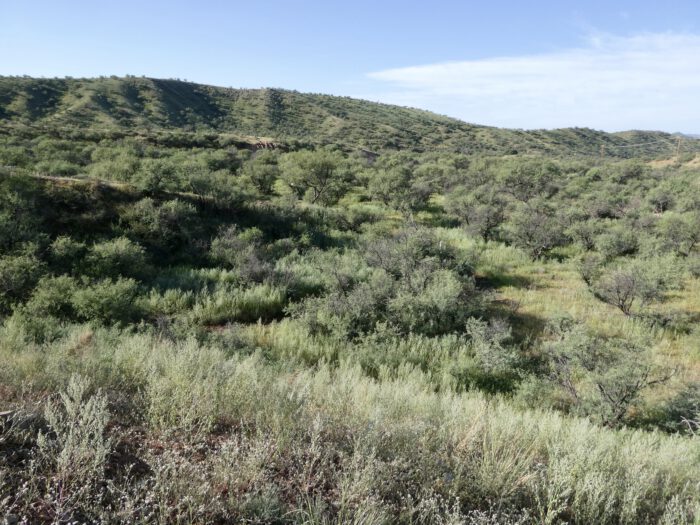 Raven’s Nest strategic location – lying just a few minutes from the birding mecca of Patagonia Lake State Park and the adjoining 10,000 wild acres of Sonoita Creek State Natural Area – makes it a part of a much larger wildlife corridor. Further afield, the birding hotspots of the Patagonia Mountains, Madera Canyon, Mount Lemon, Tubac and the Santa Cruz River, Ramsey Canyon, the San Pedro River, Sycamore Canyon, and much more all lie within an easy day trip from Raven’s Nest Nature Sanctuary. Thus, the totality of easily accessible birding destinations near the preserve is truly staggering!
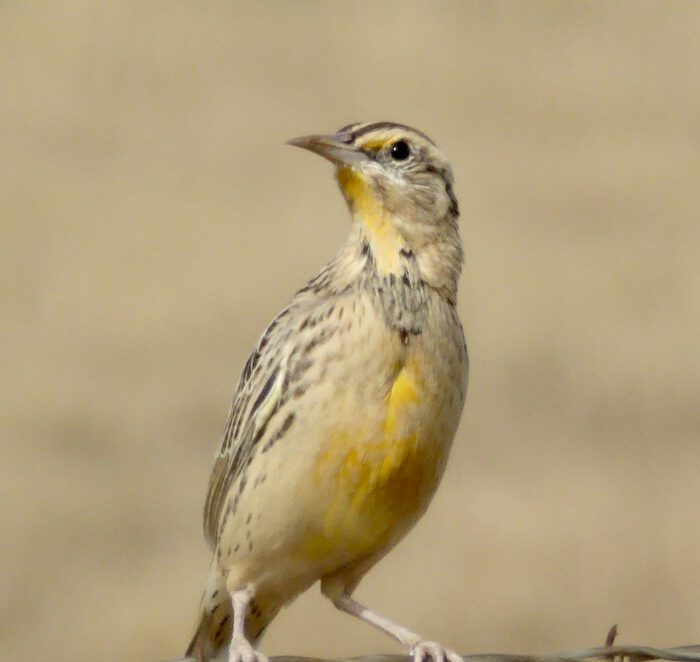
Given its varied native habitats, numerous and well-placed wildlife ponds, geographic location, healthy watershed, ideal elevation, 42-acre size, as well as its luxury infrastructure Raven’s Nest Nature Sanctuary truly is a birder’s paradise.
Diverse & Resilient Bird Habitats
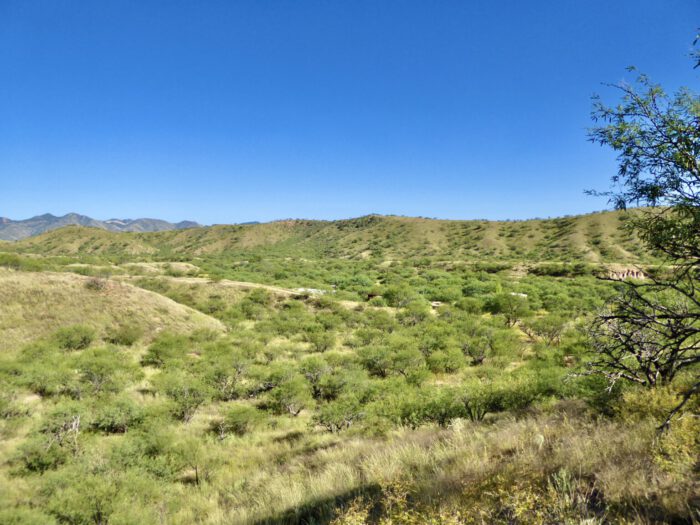
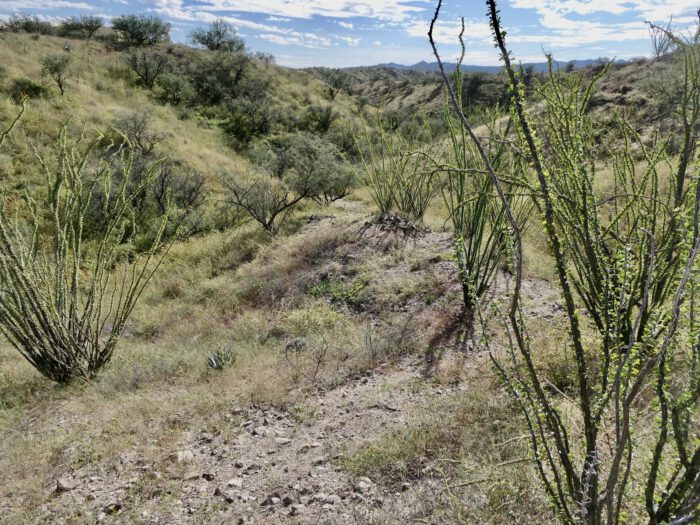
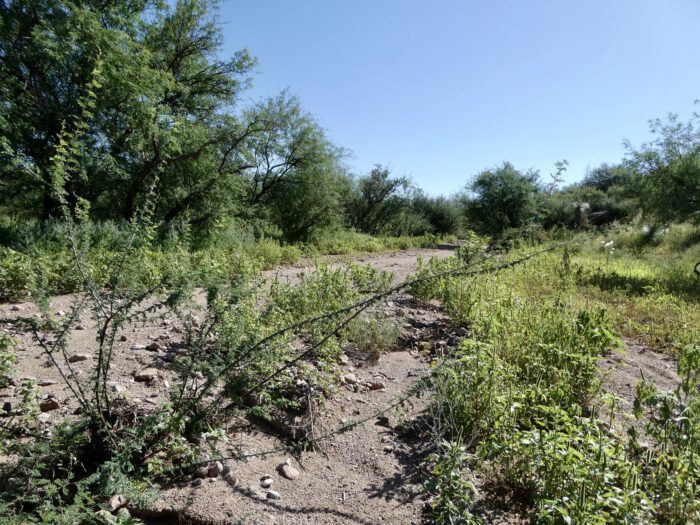
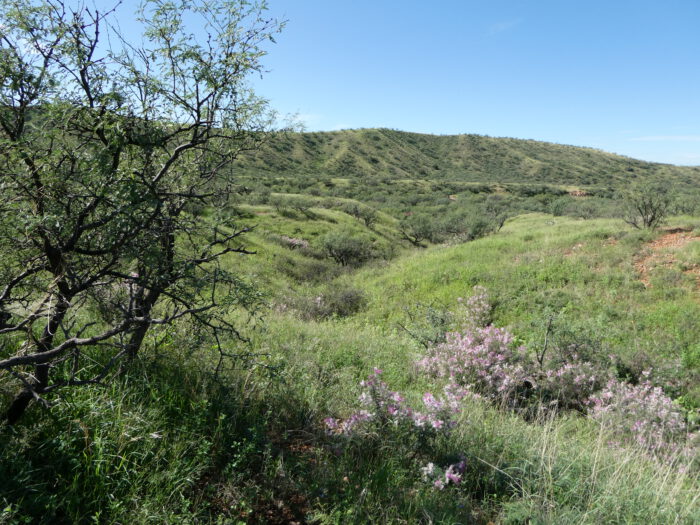
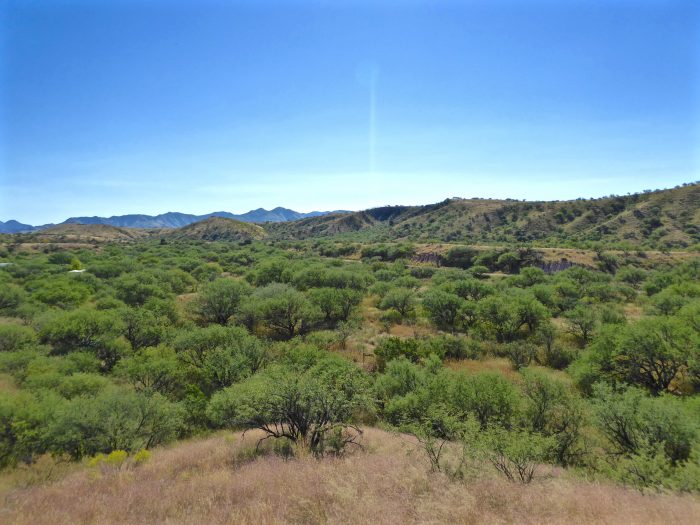
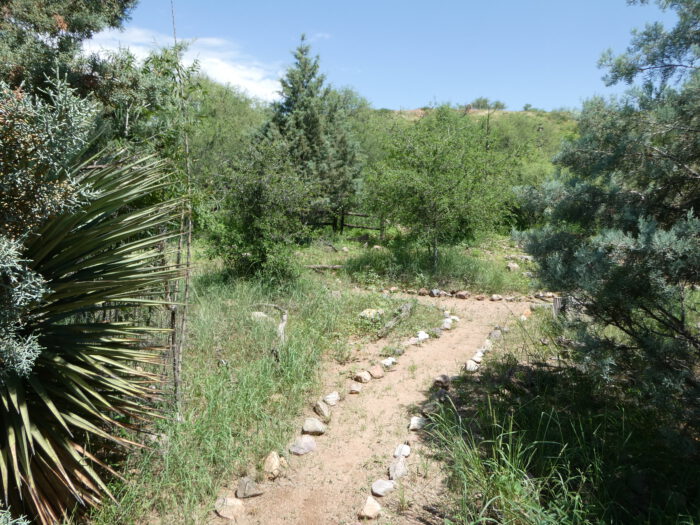
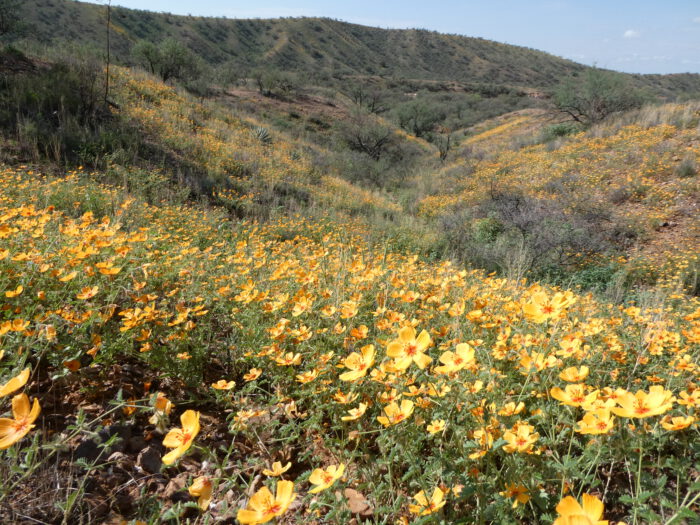
Effective Habitat Restoration strategies led to diverse and resilient bird habitats that harbor ecosystems featuring high structural complexity, diverse native plant communities, and the critical ability to recover from environmental disturbances. At our 42-acre Nature Sanctuary habitat resiliency is deeply founded in “habitat heterogeneity” — the patchwork layout of different vertical vegetation layers, soils types, topography, water availability, and age classes of plants that we have proactively nurtured since 2008.
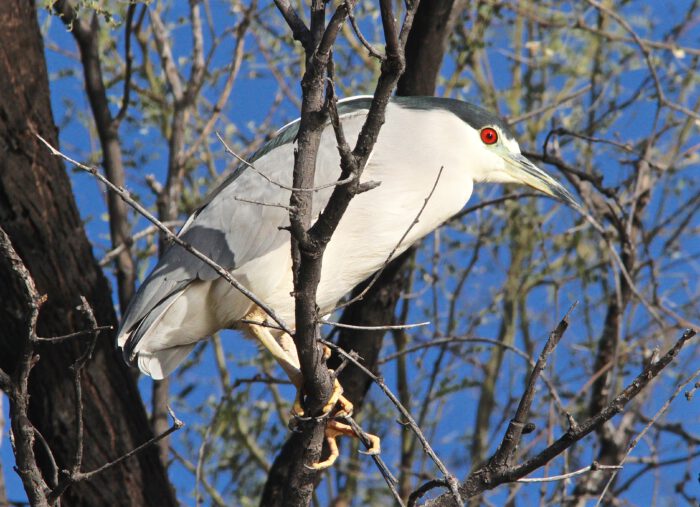
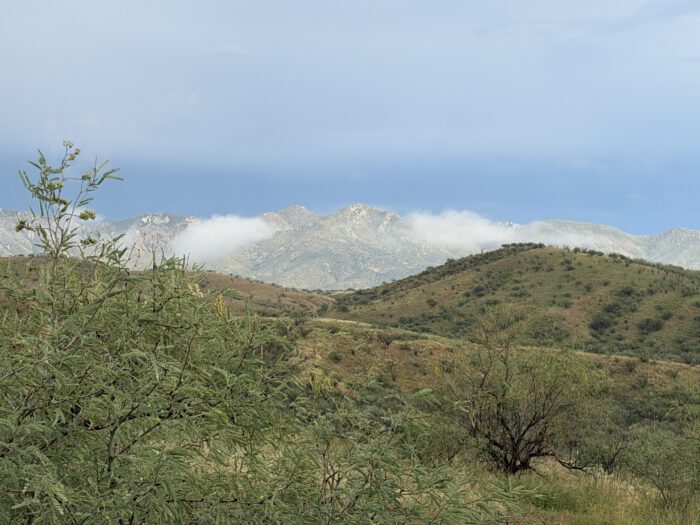
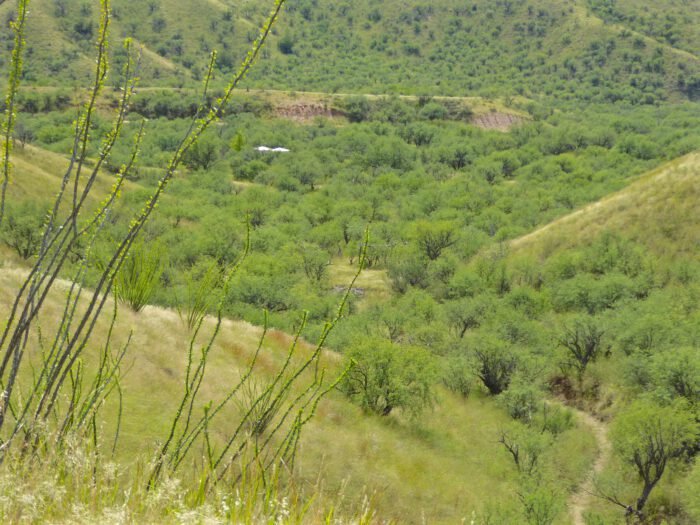
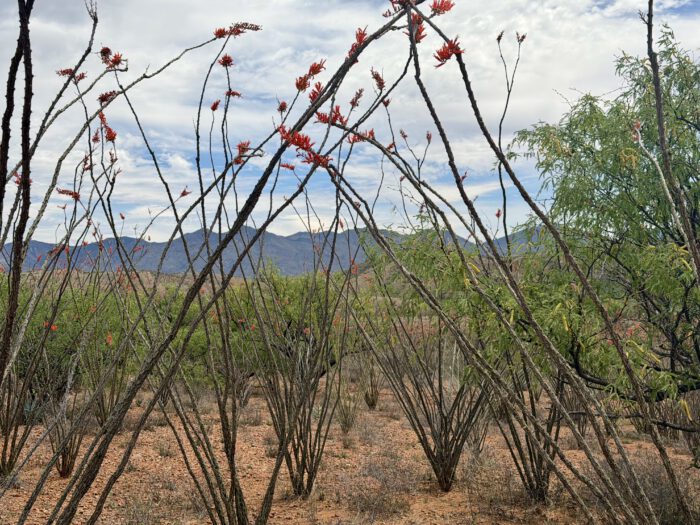
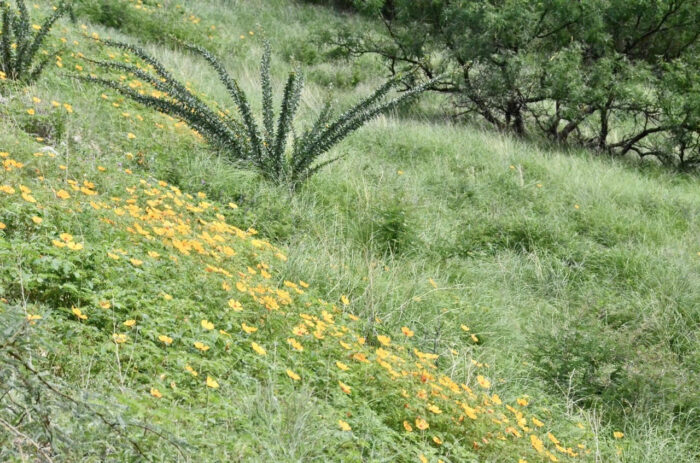
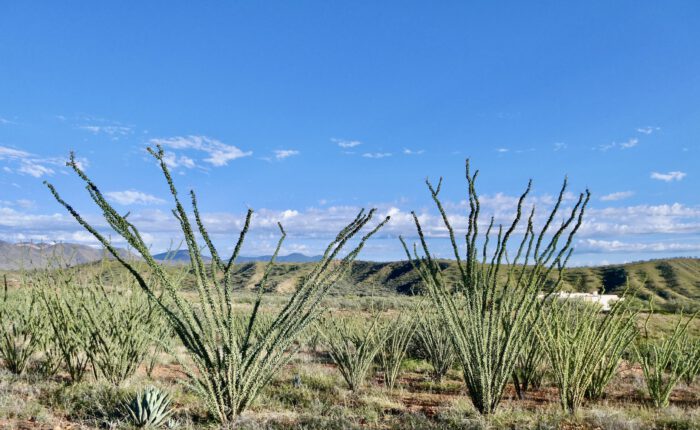
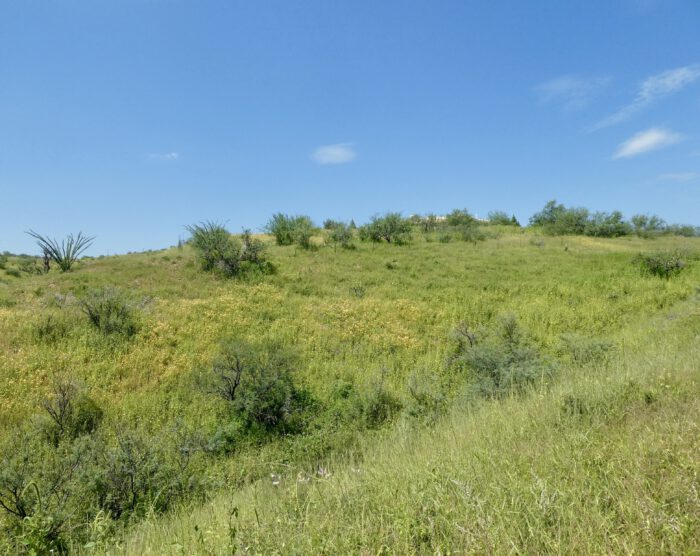
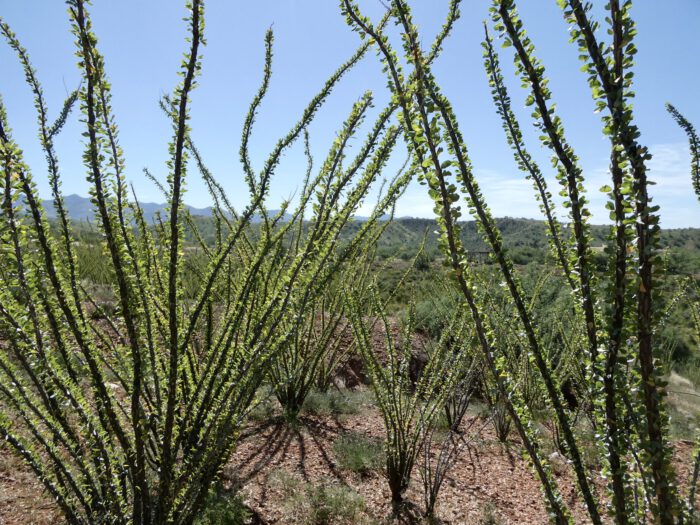
The Velvet Mesquite/Catclaw Acacia woodlands, canyons, grasslands, and Ocotillo forests at Raven’s Nest Nature Sanctuary also host a wide range of birds typical of the American Southwest, many of which breed at the preserve:
-
-
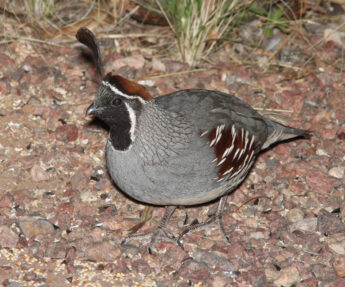
- Gambel’s Quail
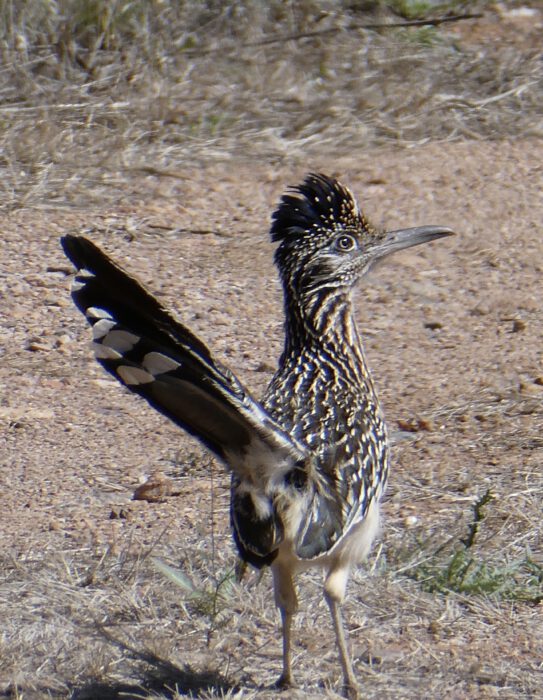
- Greater Roadrunner
- Lesser Nighthawk
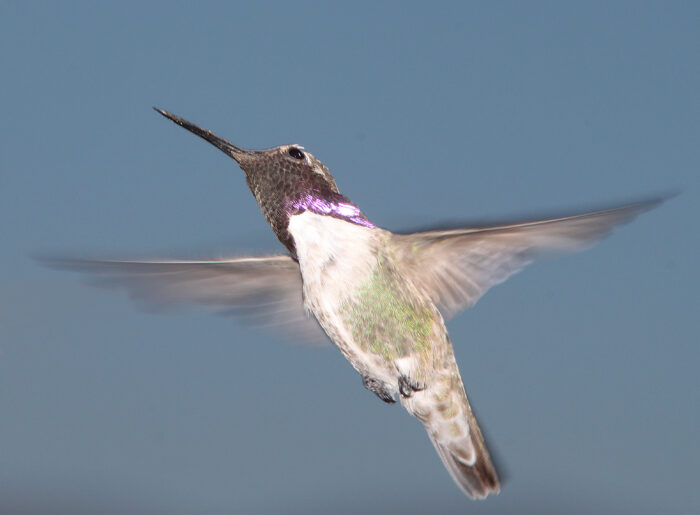
- Costa’s Hummingbird
- Ladder-backed Woodpecker
- Gila Woodpecker
- Woodhouse’s Scrub Jay
- Gray Vireo
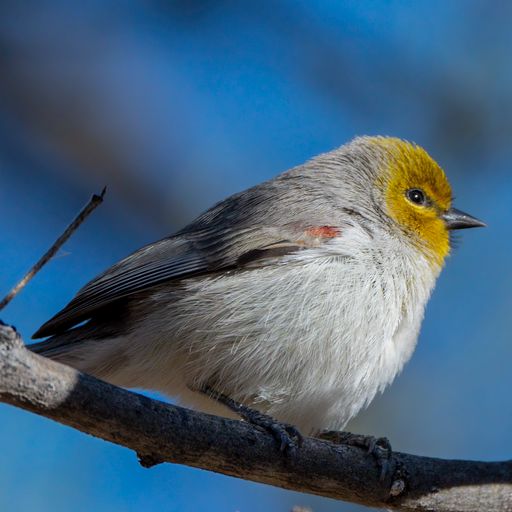
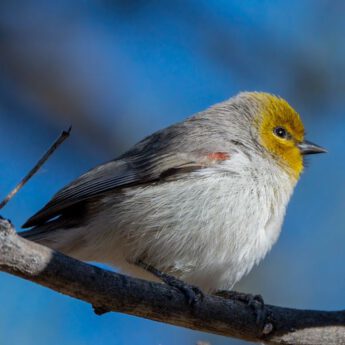
- Verdin
- Cactus Wren
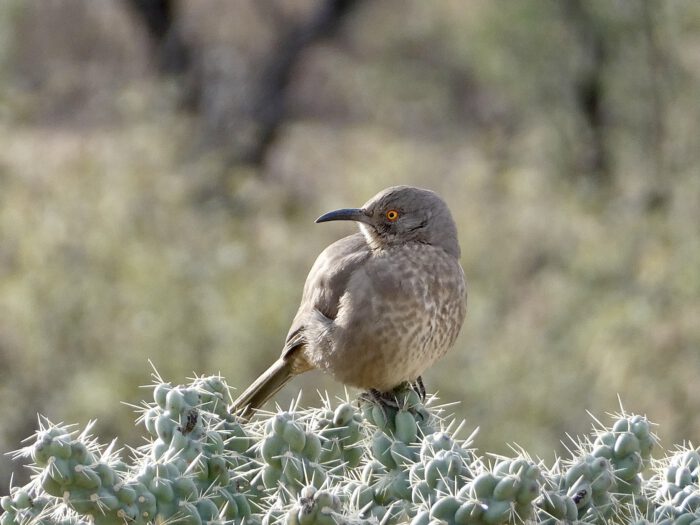
- Curve-billed Thrasher
- Crissal Thrasher
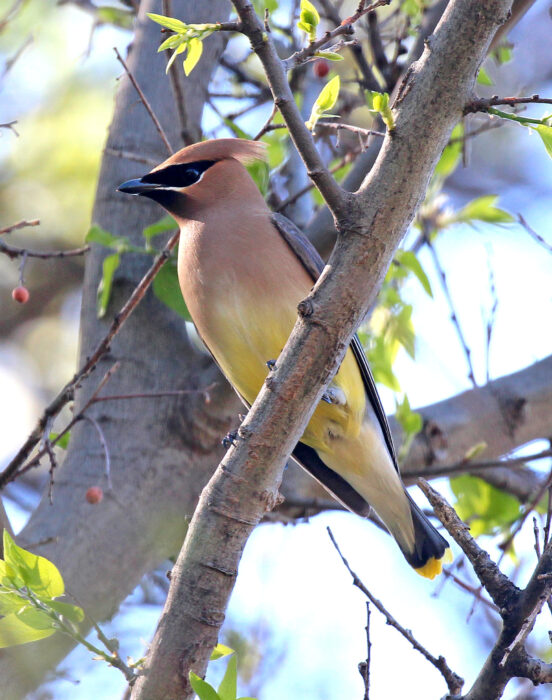
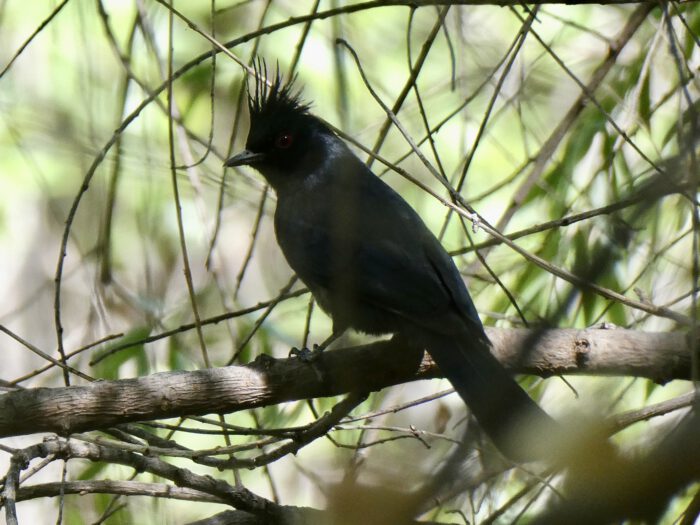
- Phainopepla
- Lucy’s Warbler
- Virginia’s Warbler
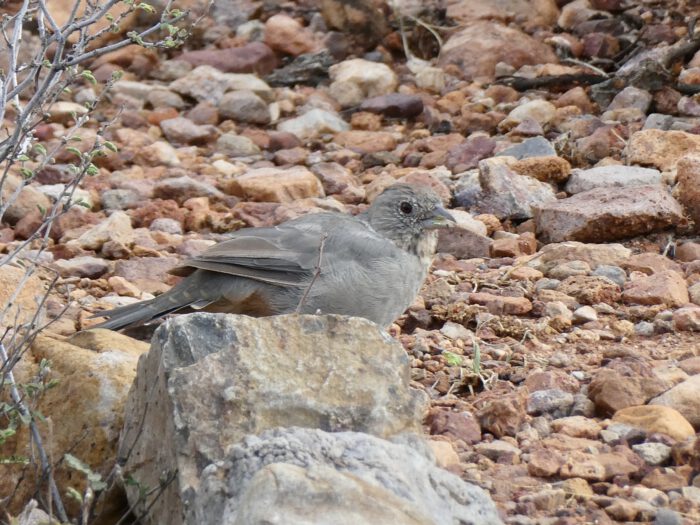
- Canyon Towhee
- Rufous-crowned Sparrow
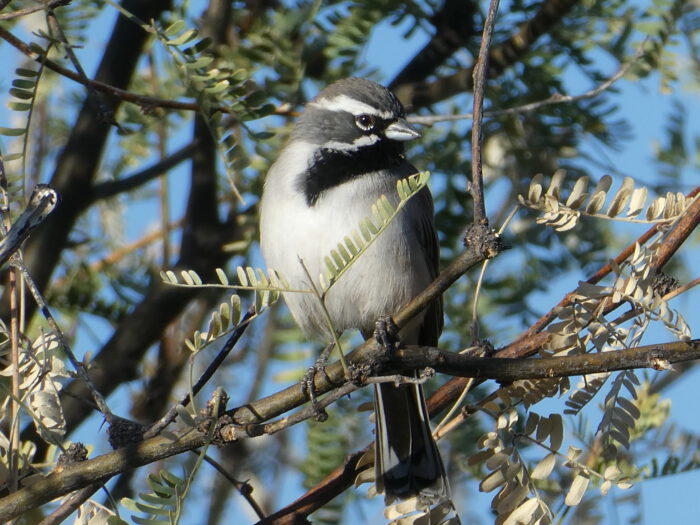
- Black-chinned Sparrow
- Black-throated Sparrow
-
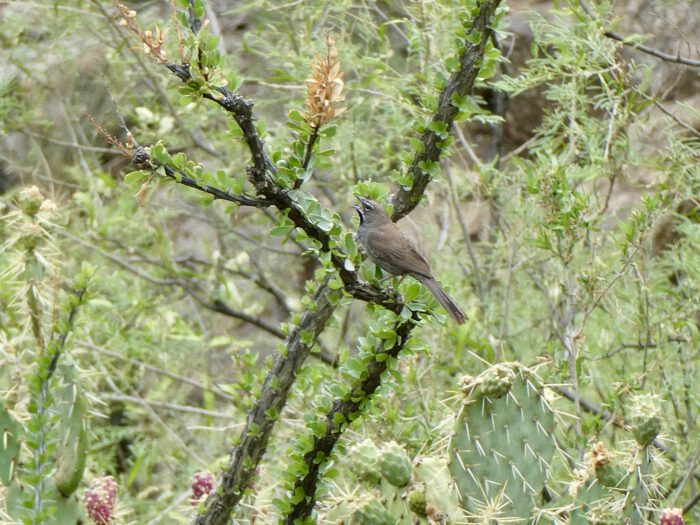
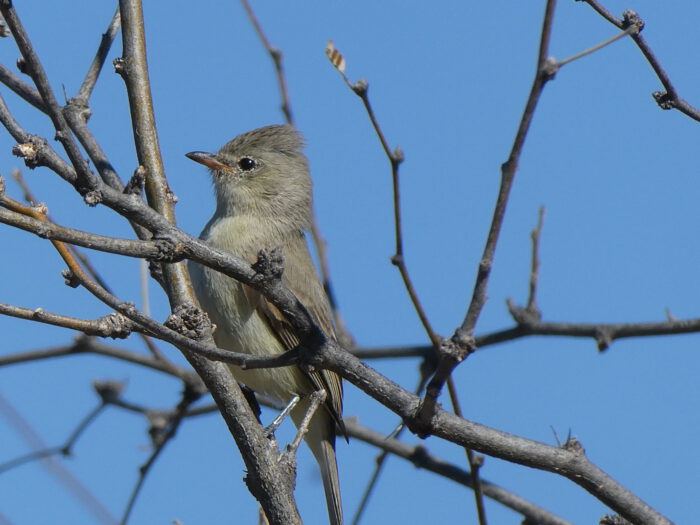
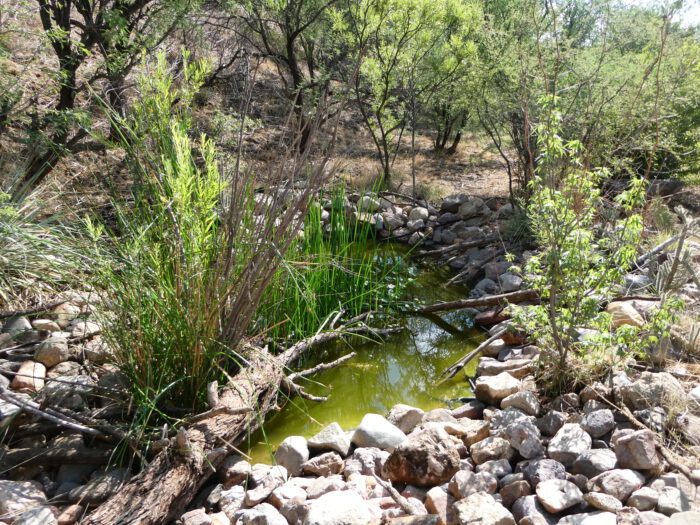 Diverse seasons as well as resilient and healthy habitats at Raven’s Nest Nature Sanctuary support a wide range of Sky Islands birds all year long.
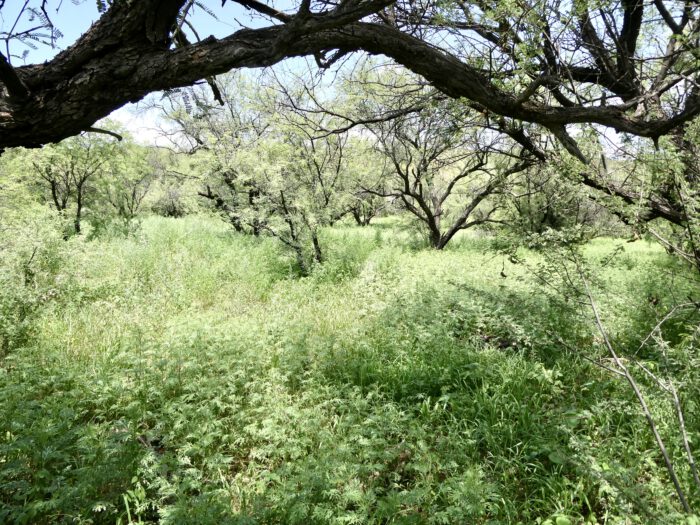
While some species, such as American Kestrel and Greater Roadrunner, freely move through all of these plant communities, others are more faithful to specific habitats.
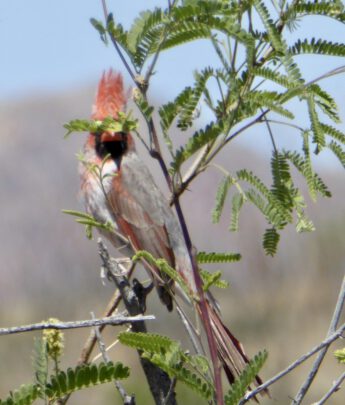
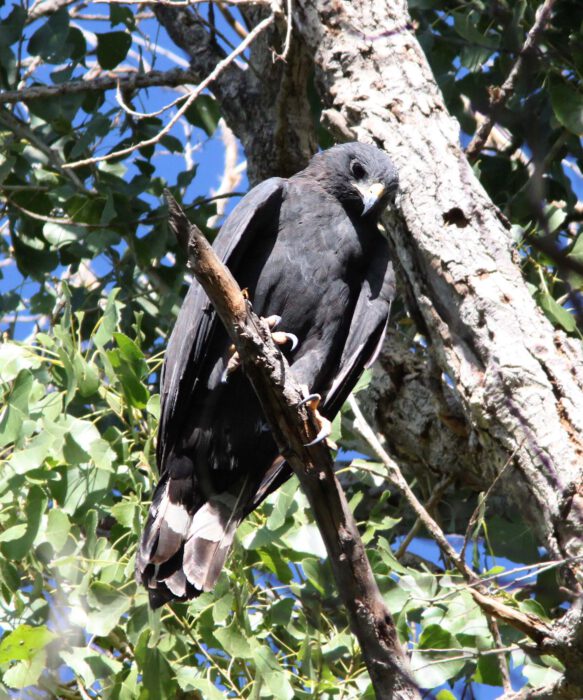
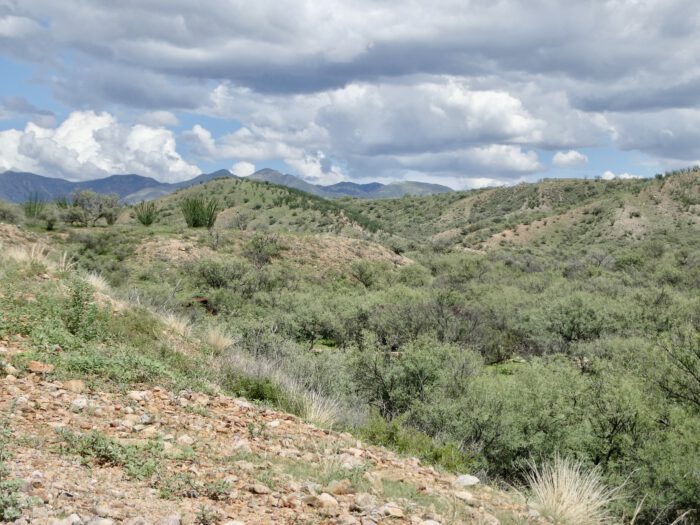
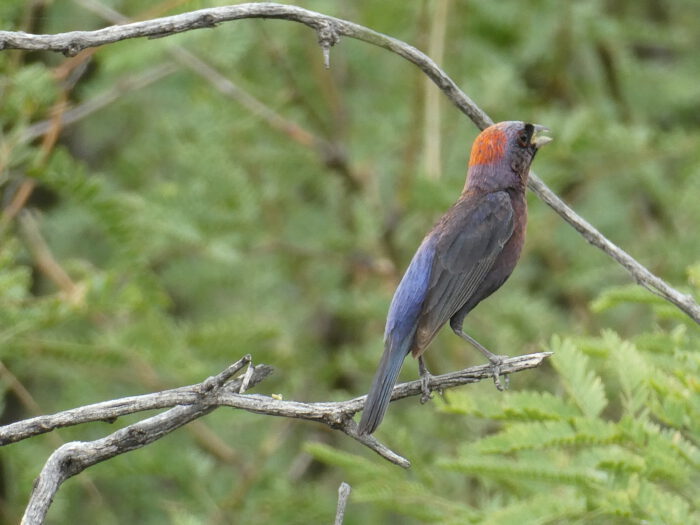
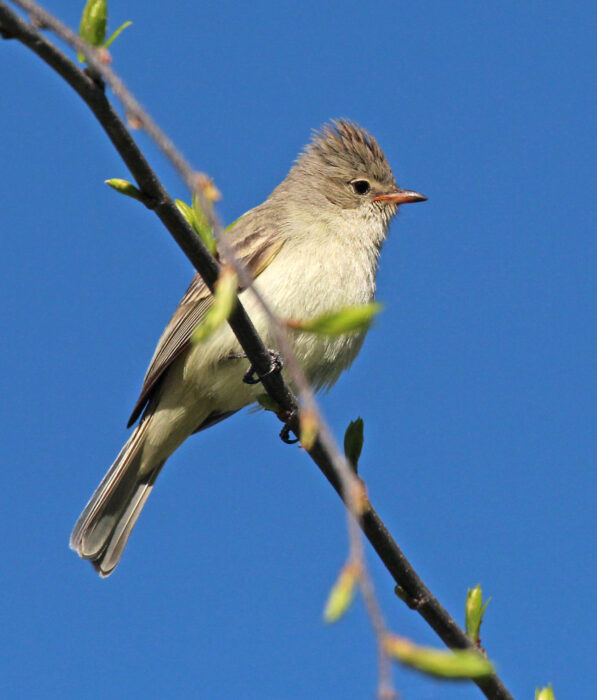
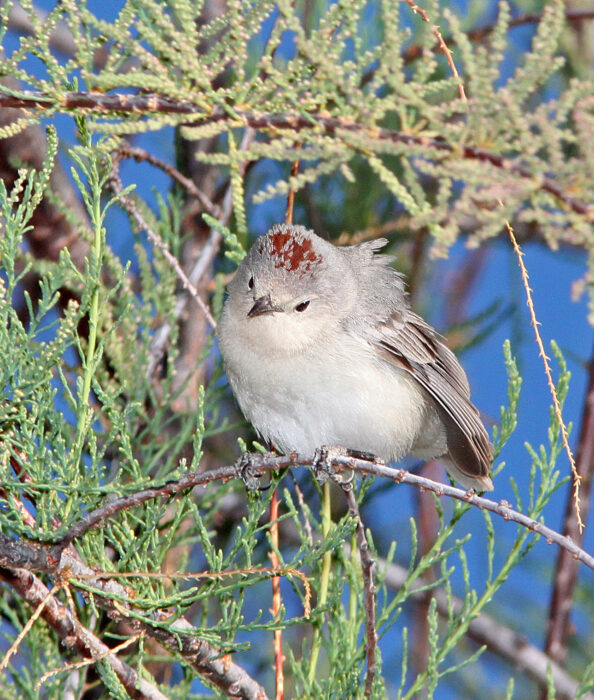
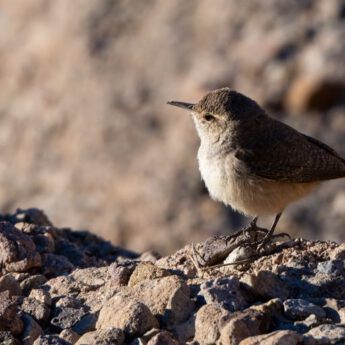
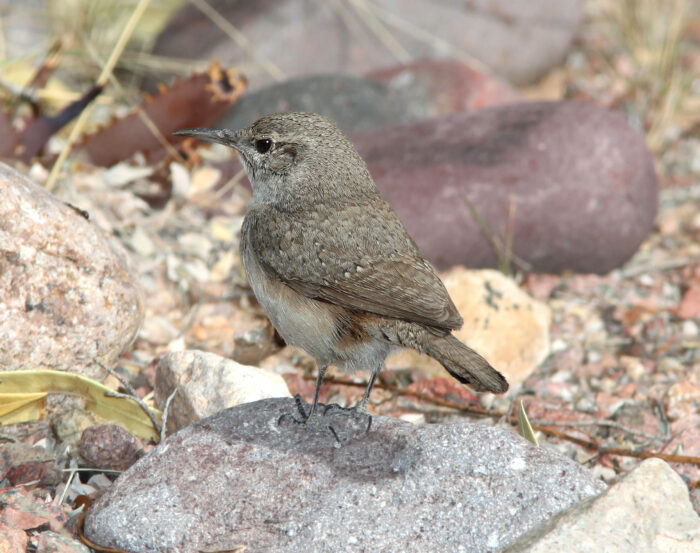
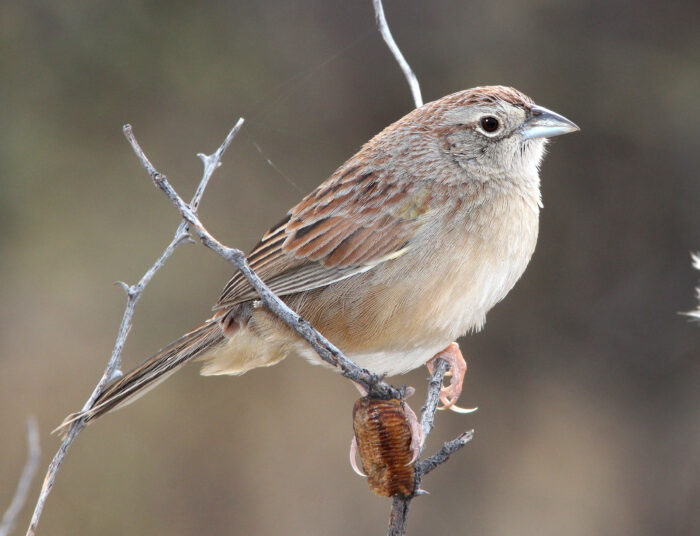
Northern Beardless Tyrannulets and Varied Bunting stay within the confines of the dense woodlands, Botteri’s Sparrows stick to the native grasslands, while Rock Wrens rarely leave the canyons.

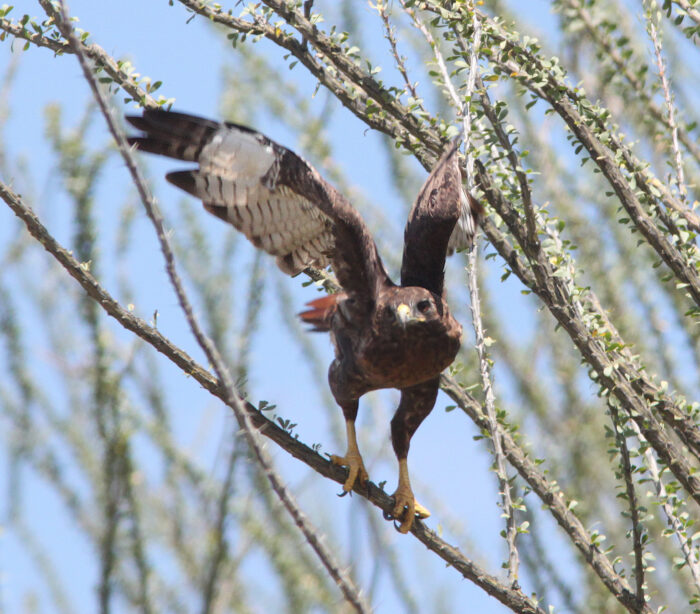
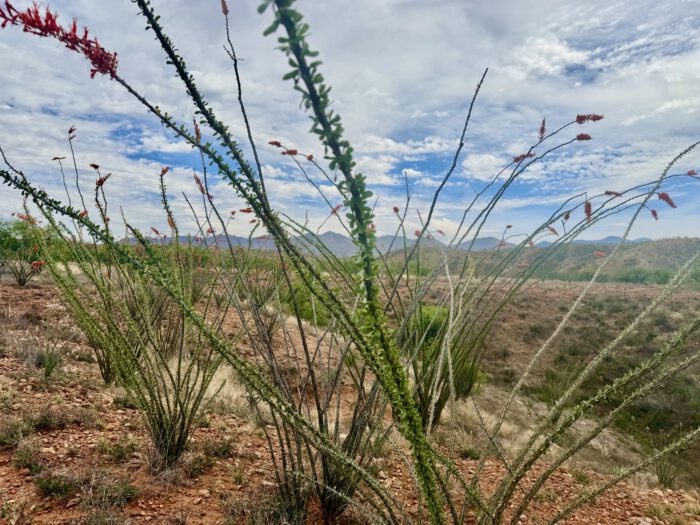
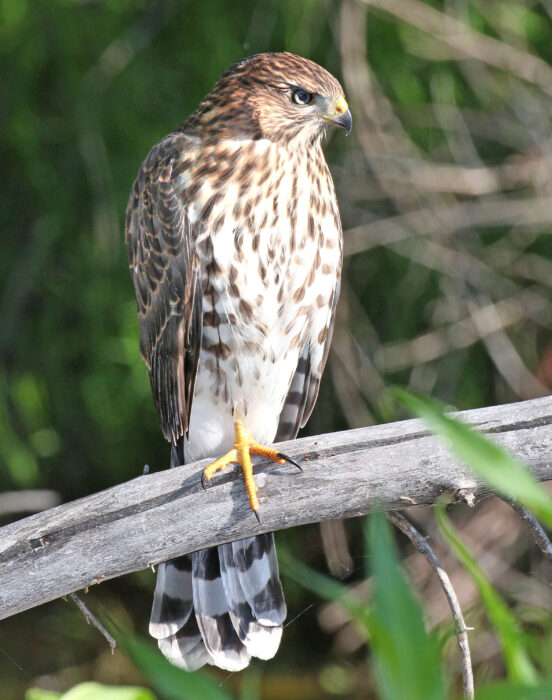
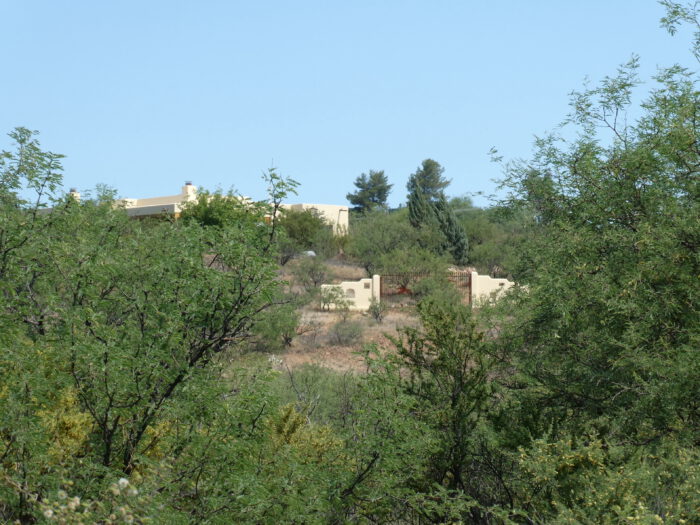
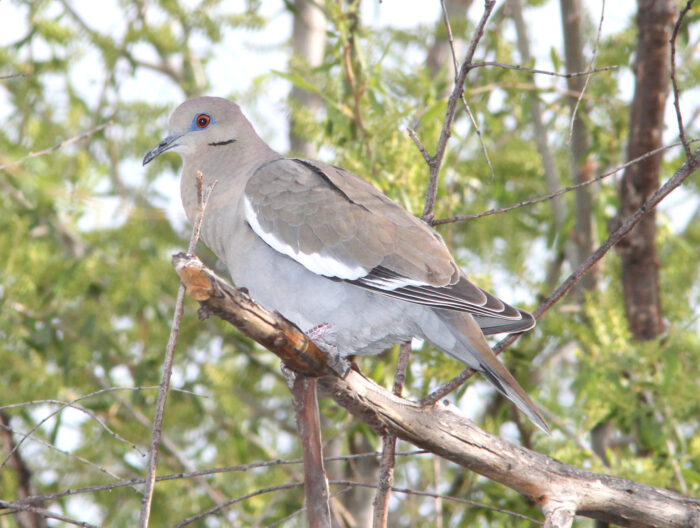
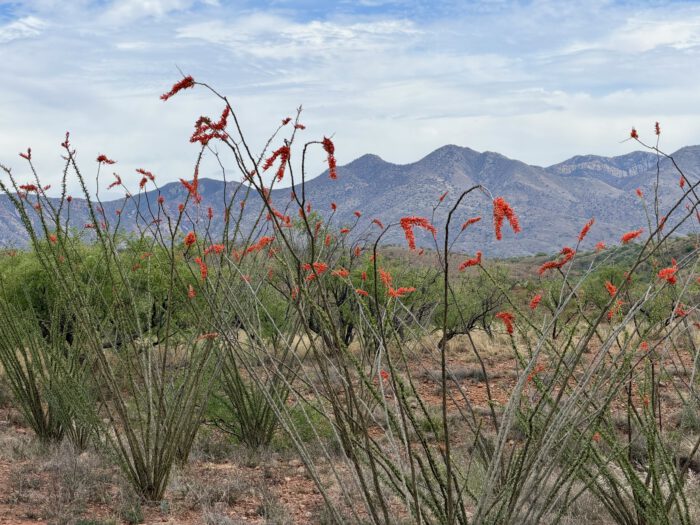
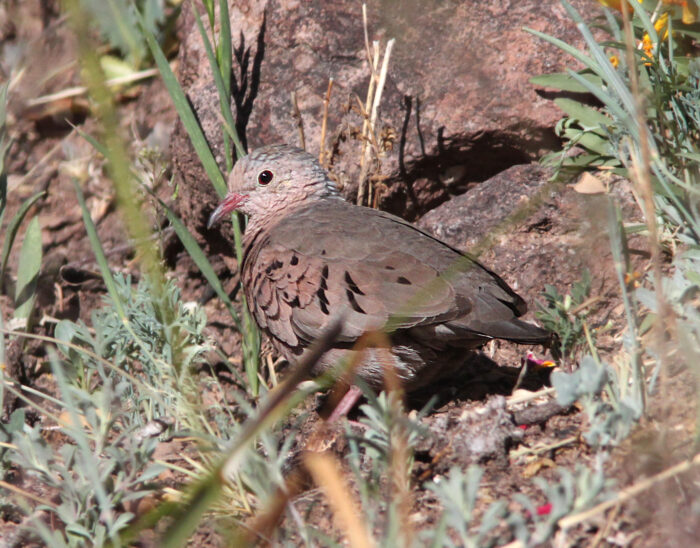
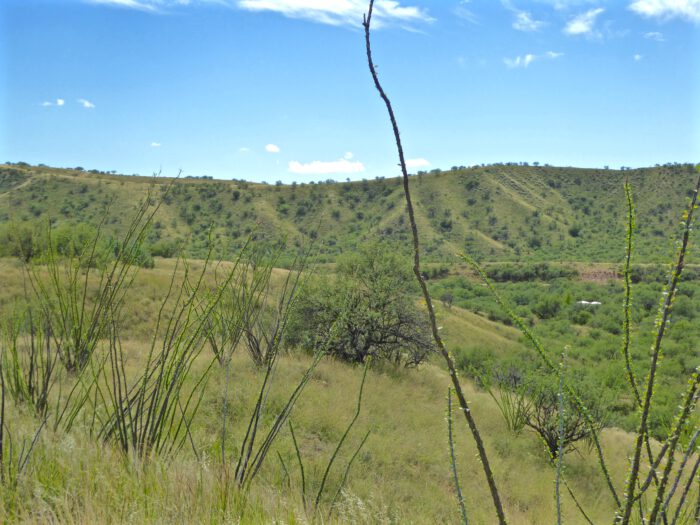
Word class Birding at Raven’s Nest Nature Sanctuary is – from an ecological and birdwatching perspective – akin to being in Mexico! Here we boast an extensive list with many local species found in few or no other parts of the U.S.! View and download the Raven’s Nest Nature Sanctuary Bird List thus far recorded at our strategically located Sky Islands Nature Sanctuary.
Mexican Specialty Birds
Southeastern Arizona is famous among birders as the premier destination in the United States to spot tropical bird species whose northernmost breeding ranges just barely cross the U.S.–Mexico border into Arizona’s Sky Islands and riparian corridors. Many of these birds are more typical of Mexico than the U.S., earning them the title “Mexican specialties” .
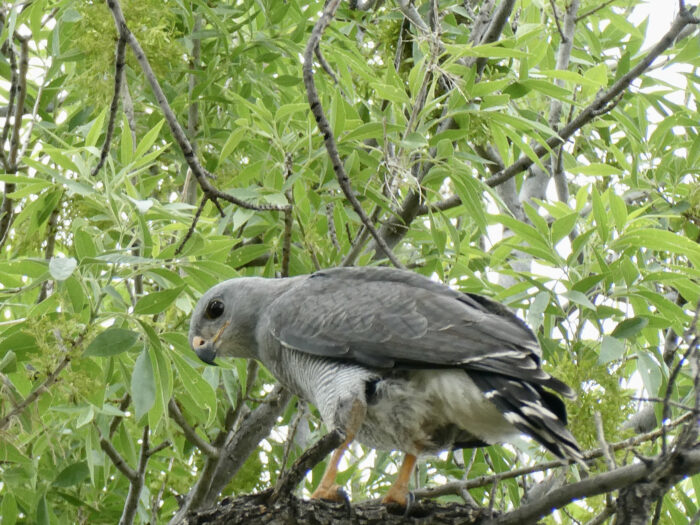
These highly sought after species are often target birds for birders visiting the Sky Islands. At Raven’s Nest Nature Sanctuary these species include (** = breeds at the preserve):
-
-
- Mexican Duck
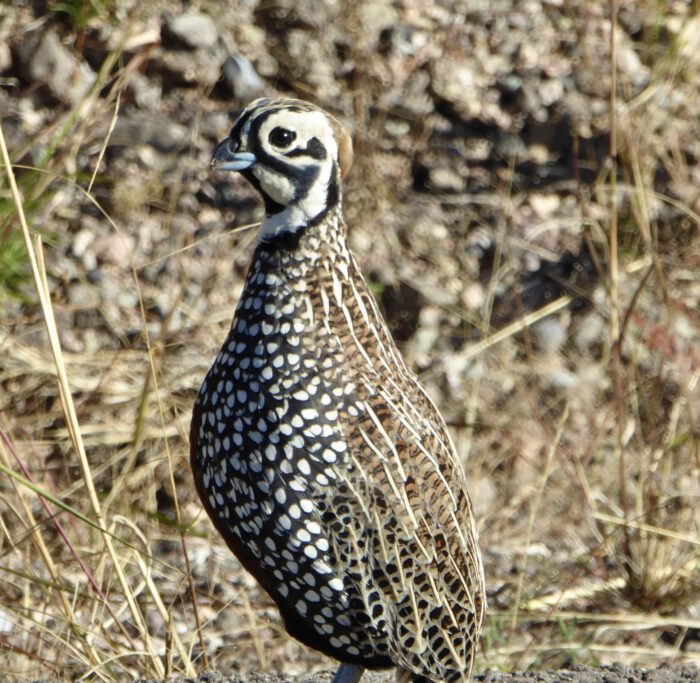
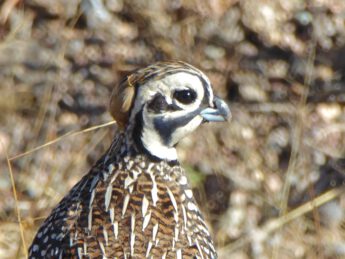
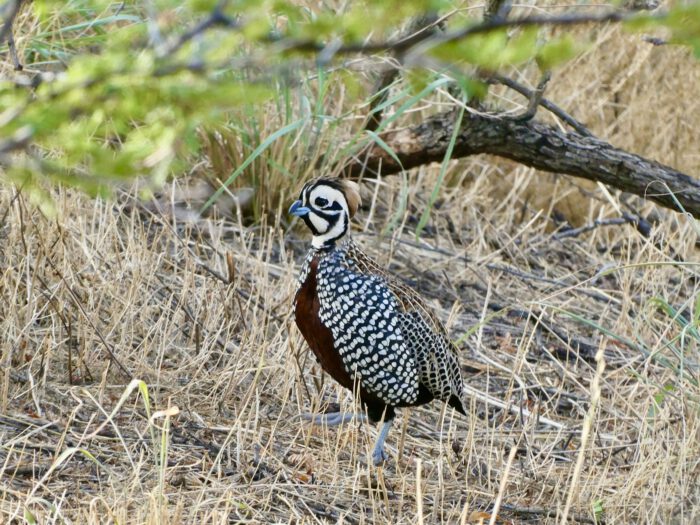
- Montezuma Quail**
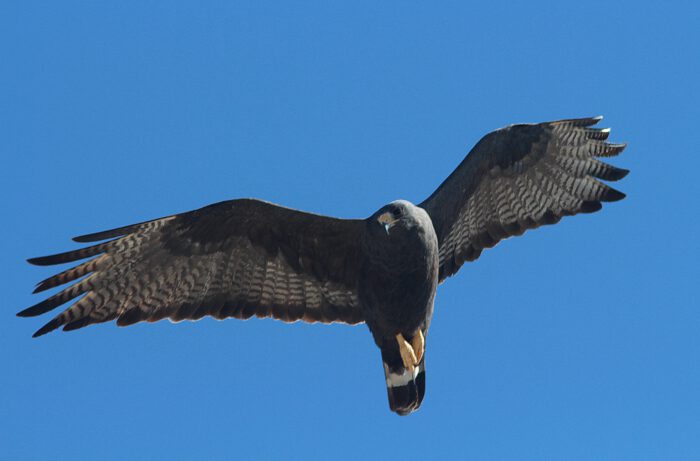
- Zone-tailed Hawk
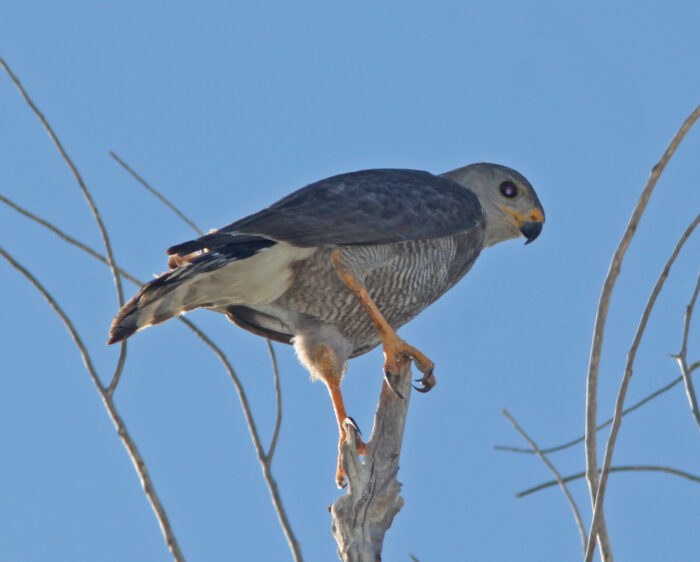
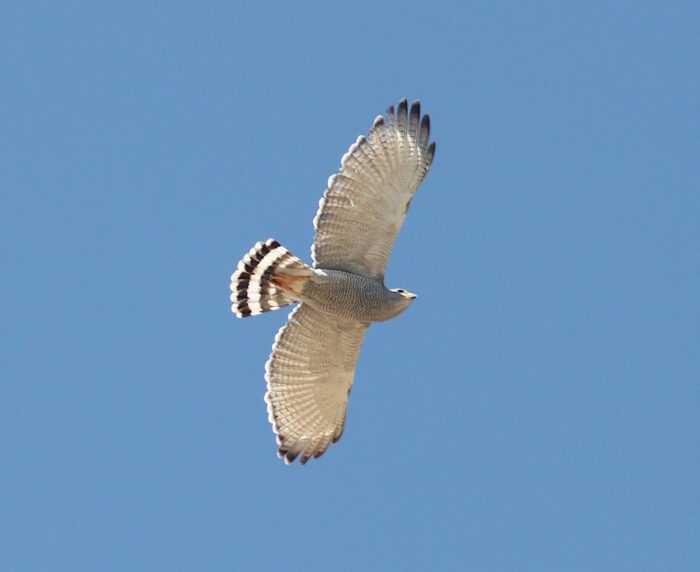
- Gray Hawk**
- Elf Owl
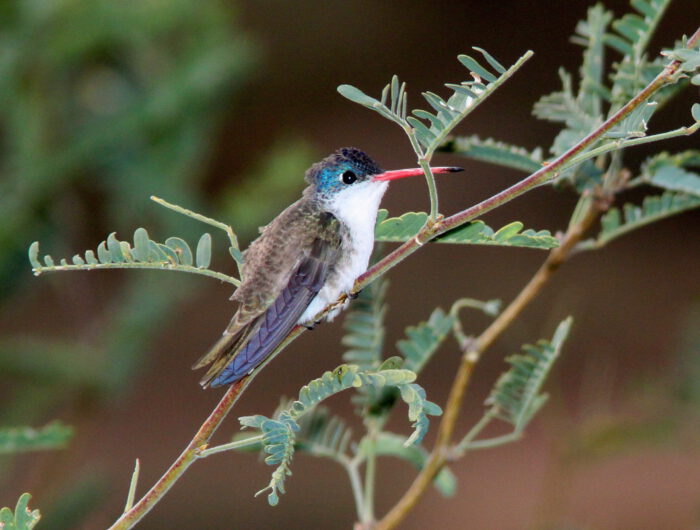
- Violet-crowned Hummingbird
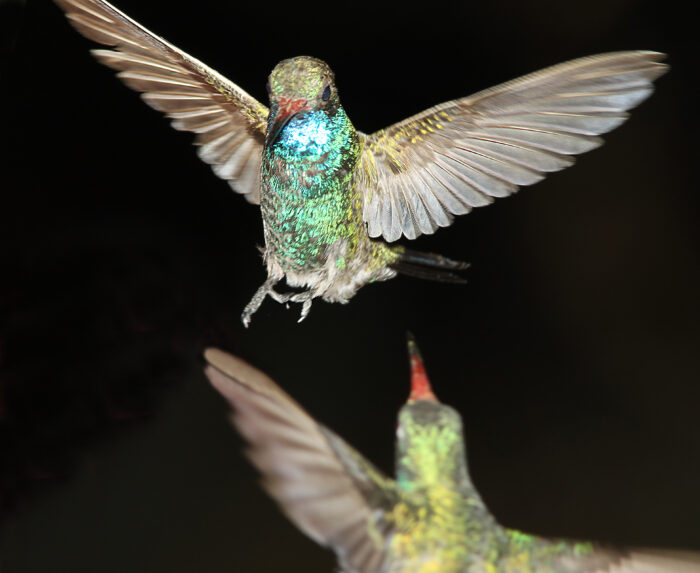
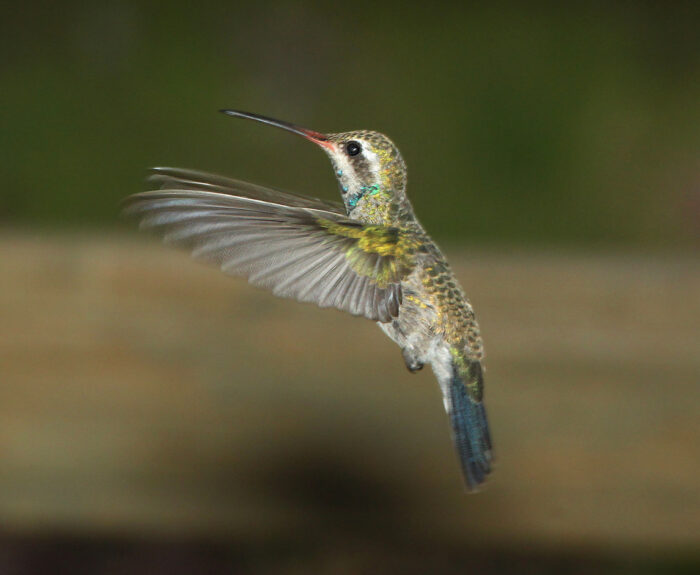
- Broad-billed Hummingbird**
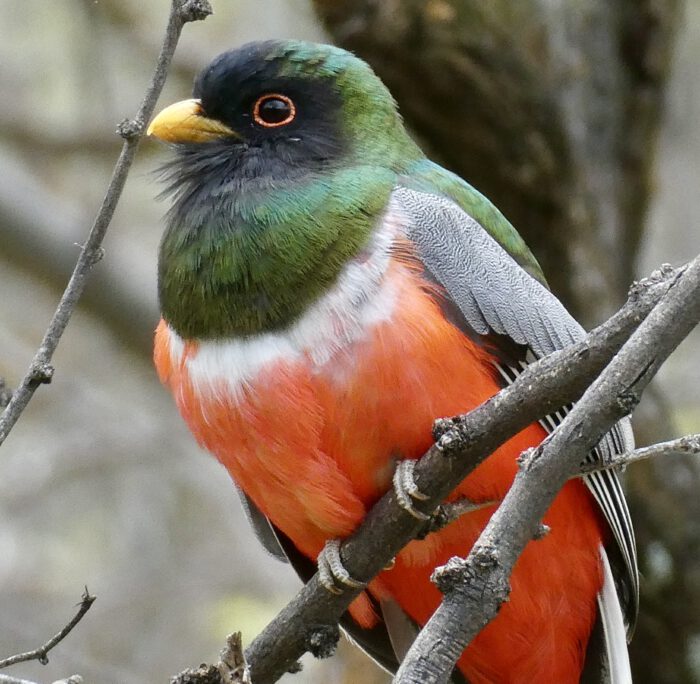
- Elegant Trogon
- Northern Beardless Tyrannulet**
- Vermillion Flycatcher**
- Brown-crested Flycatcher
- Dusky-capped Flycatcher
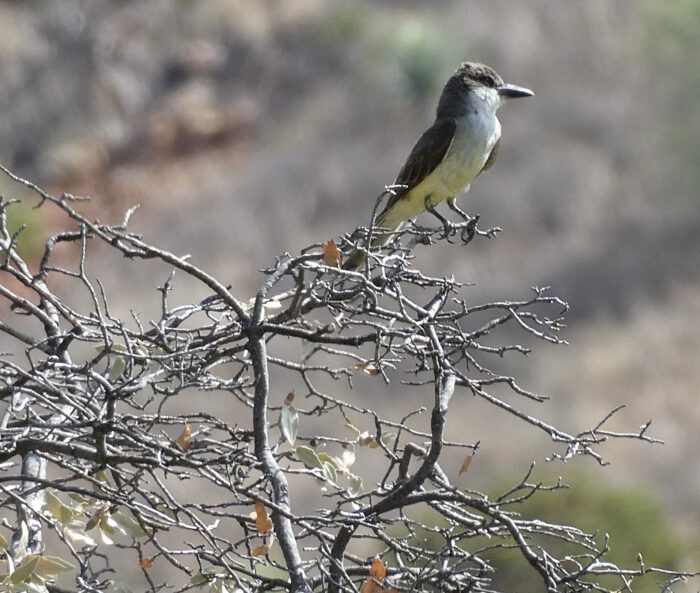
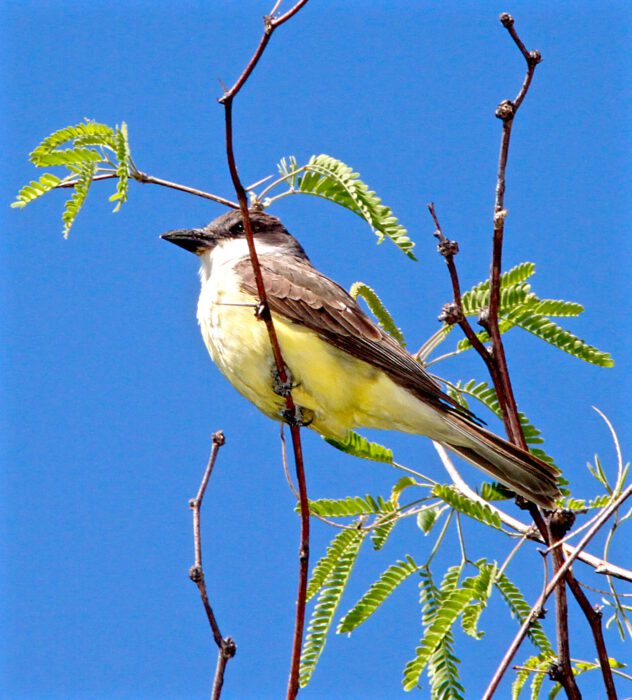
- Thick-billed Kingbird
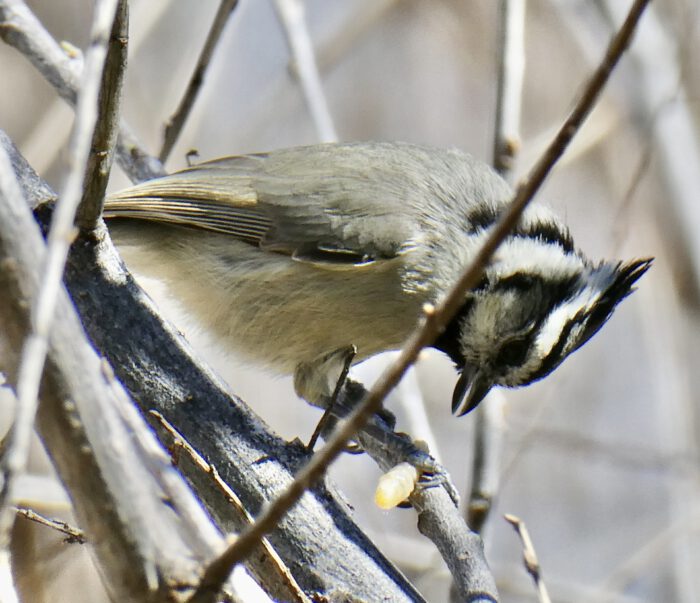
- Bridled Titmouse
- Black-tailed Gnatcatcher**
- Rufous-winged Sparrow**
- Botteri’s Sparrow**
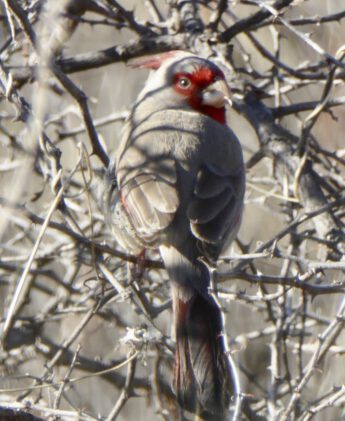
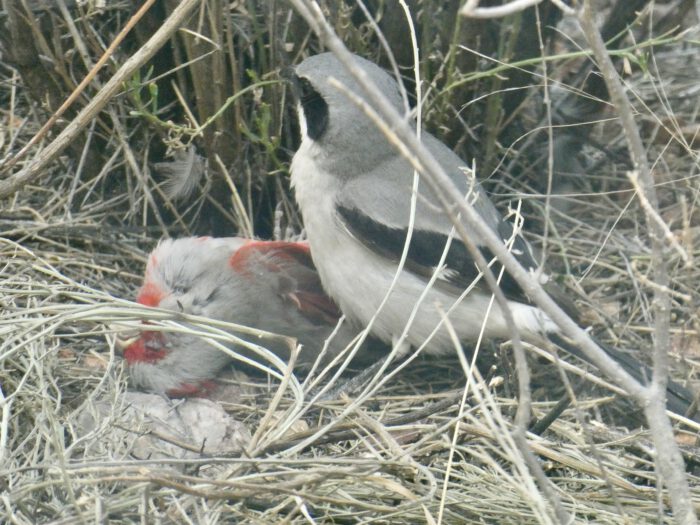
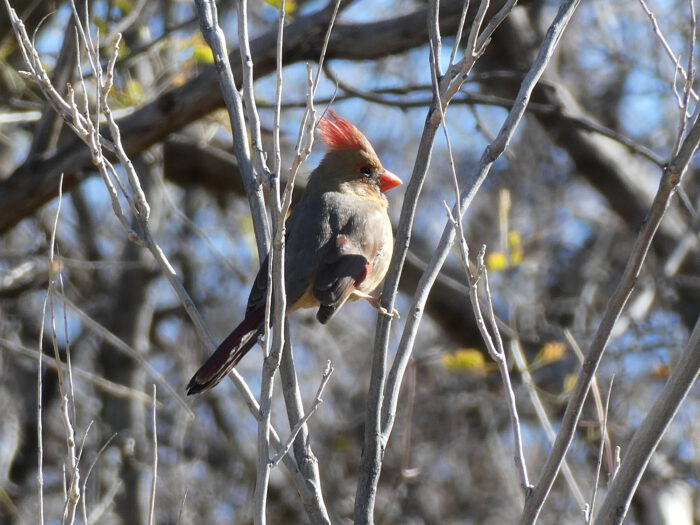
- Pyrrhuloxia**
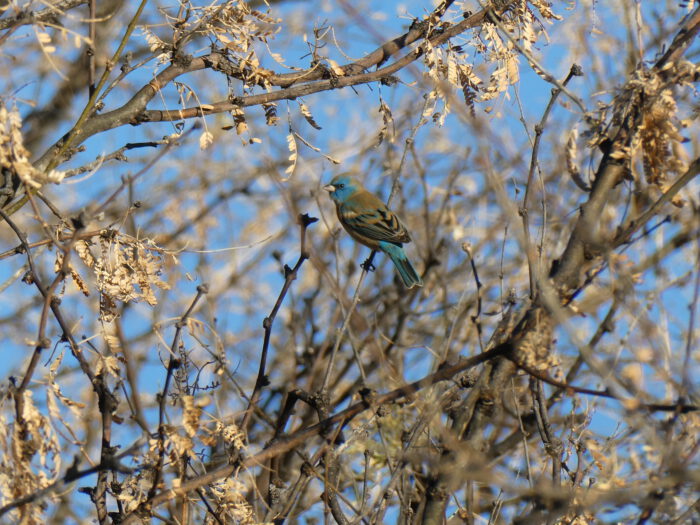
- Varied Bunting**
-


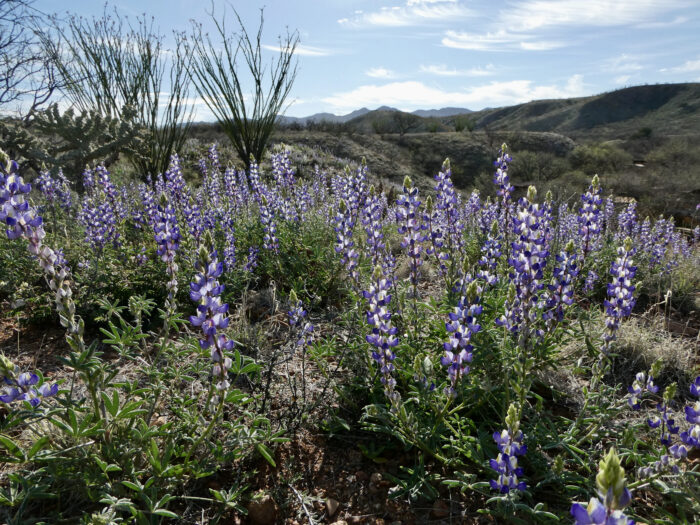
Birds of the American Southwest
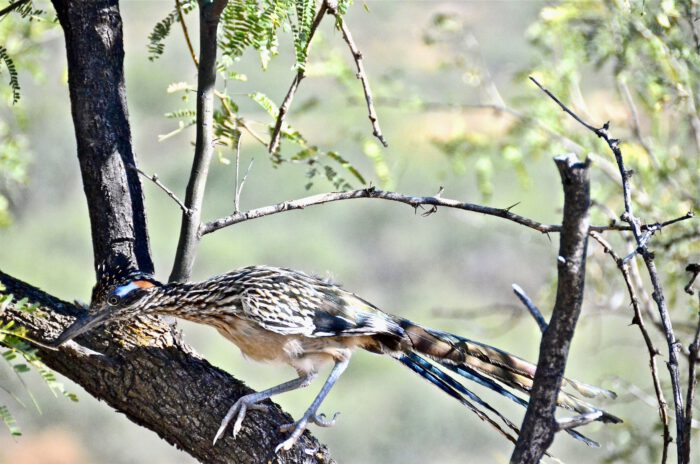
Greater Roadrunners are members of the cuckoo family and at times seem to live up to “acting cuckoo”. These 12-ounce birds voraciously hunt a wide variety of prey including invertebrates, reptiles – especially lizards and small snakes, small mammals, and other birds.
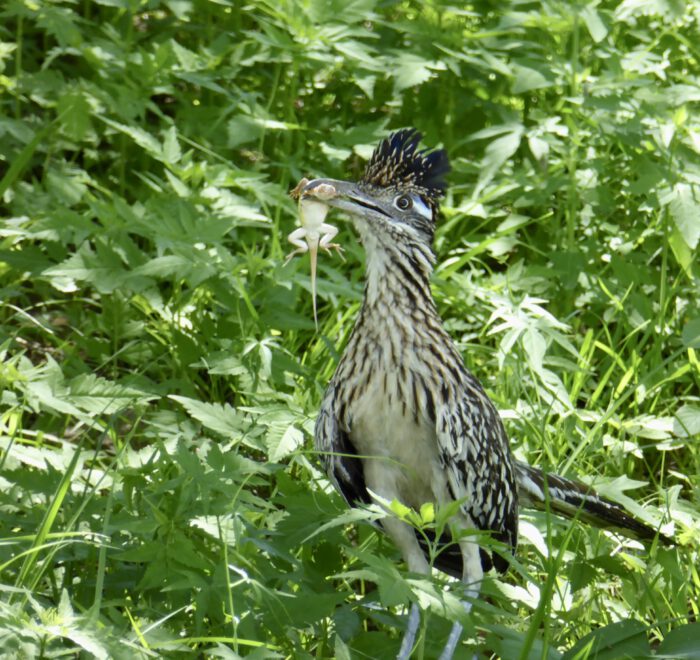
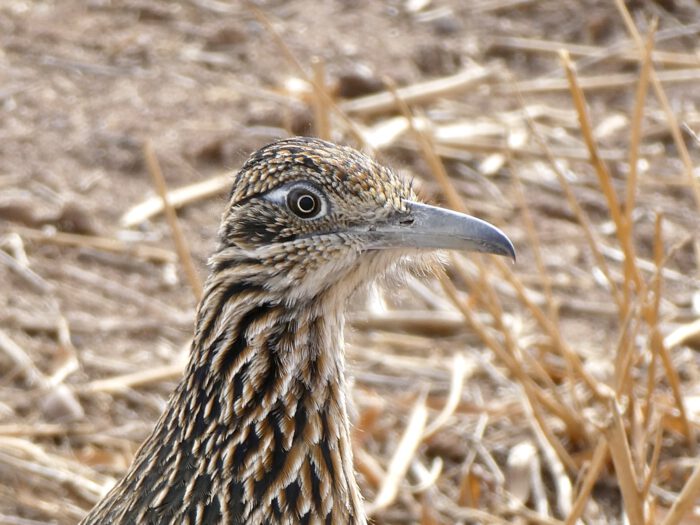
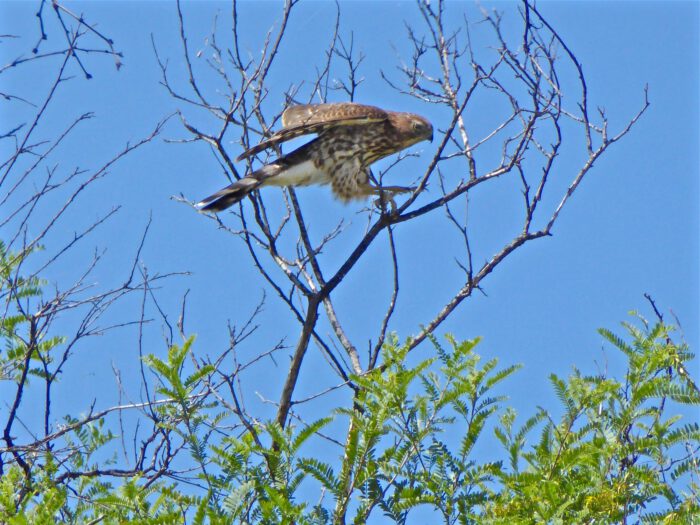
In turn, they are sometimes dispatched by Cooper’s Hawks or other raptors. With their varied and animated behaviors, seemingly fearless attitude towards humans, and hunting prowess, they definitely command the attention of admiring birders.
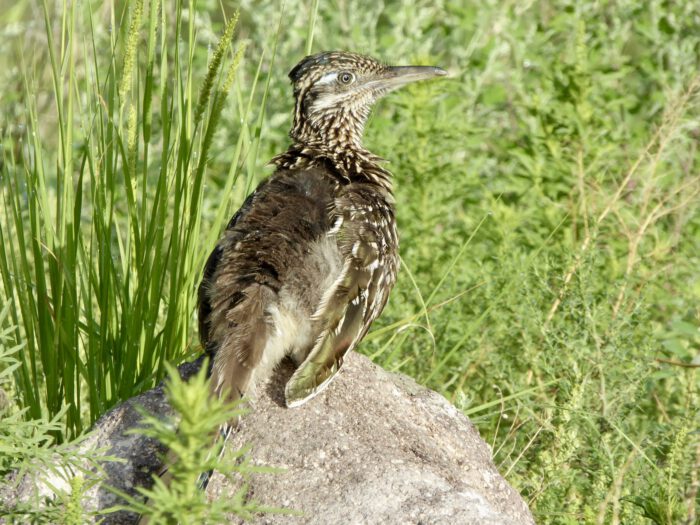
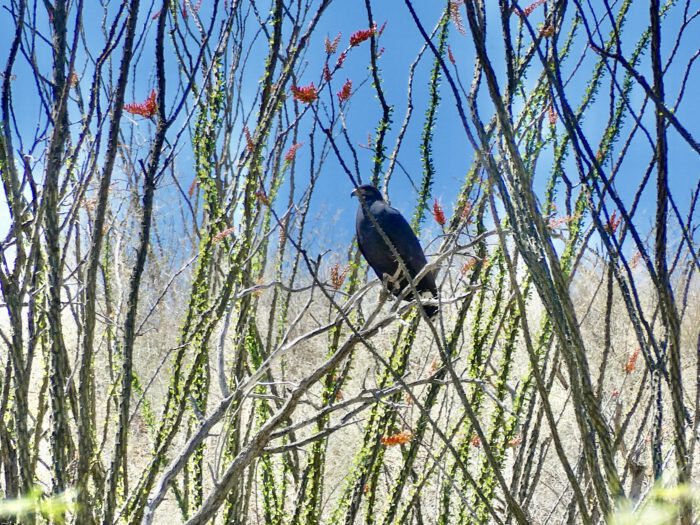
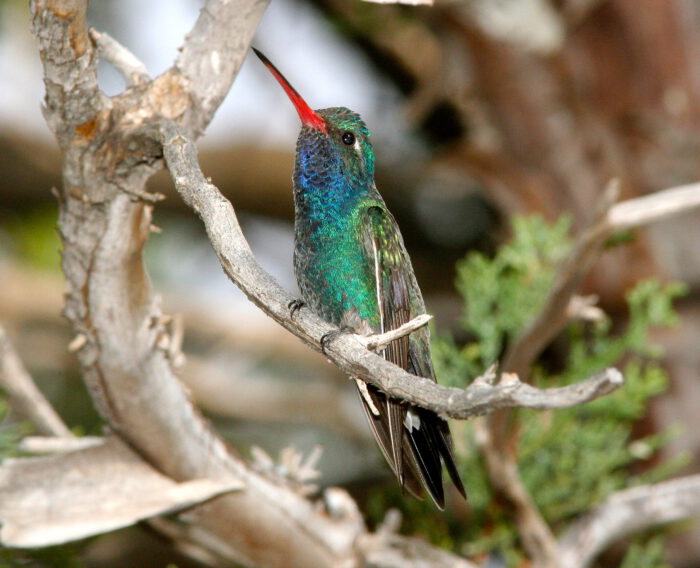
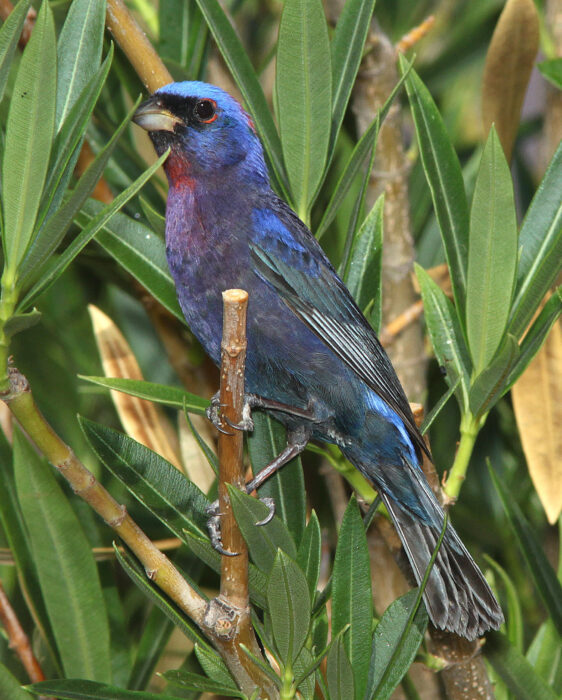
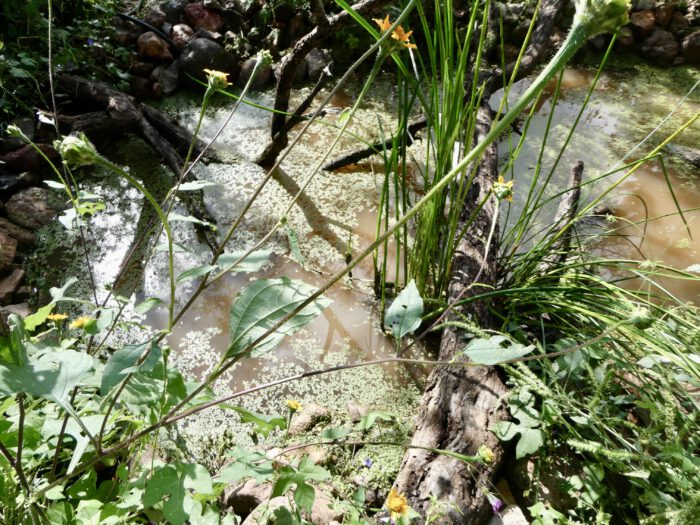
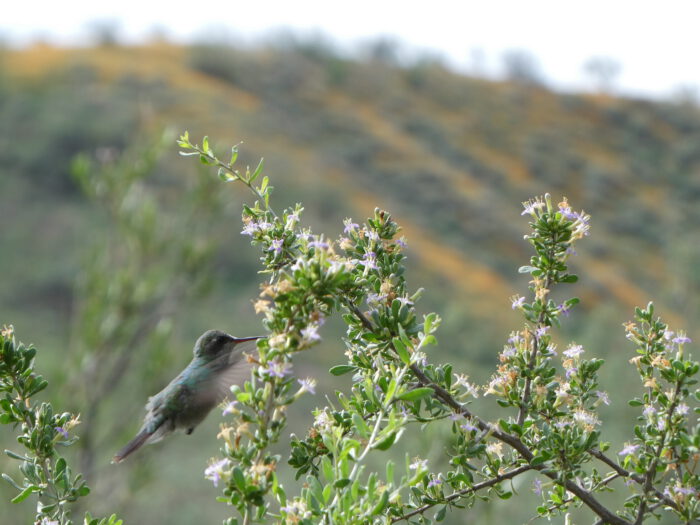
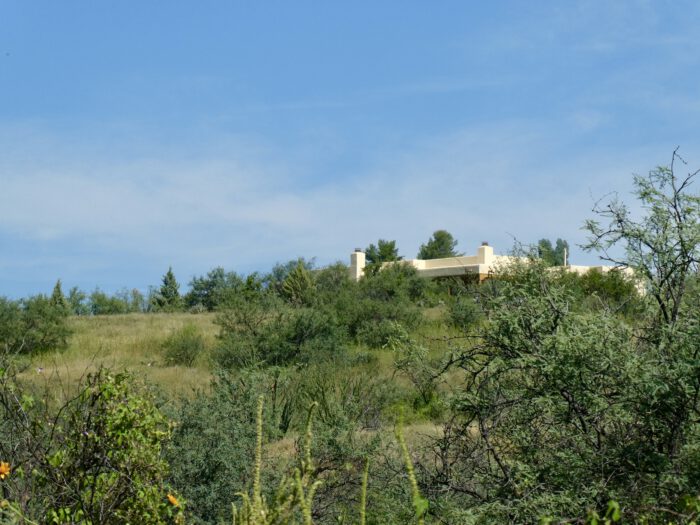
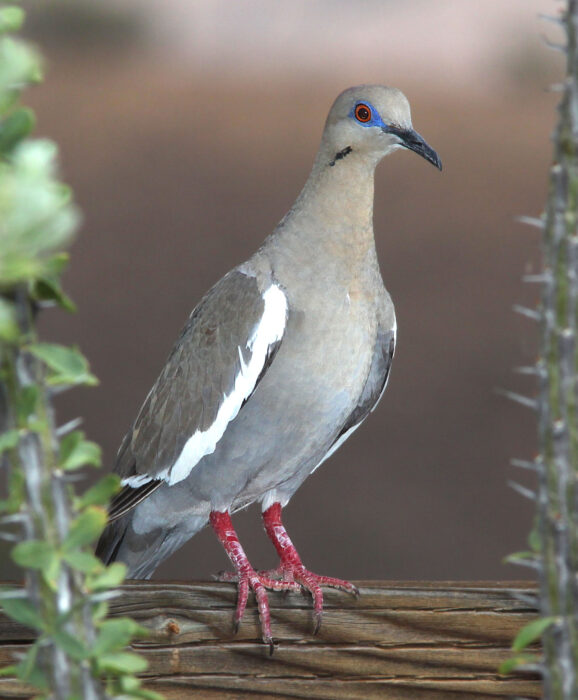
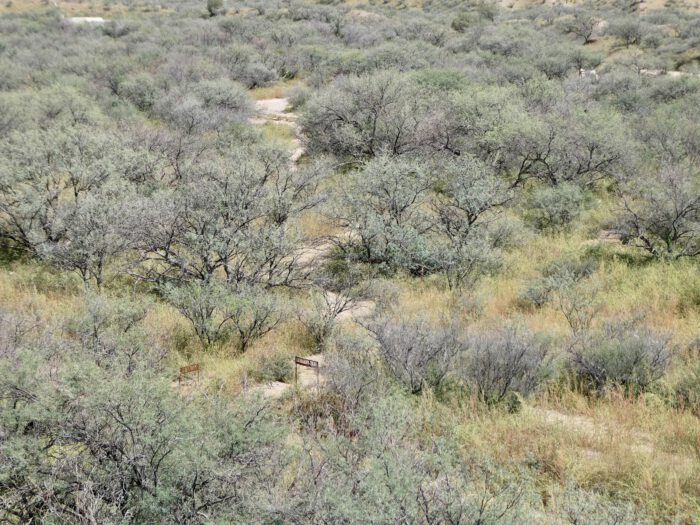
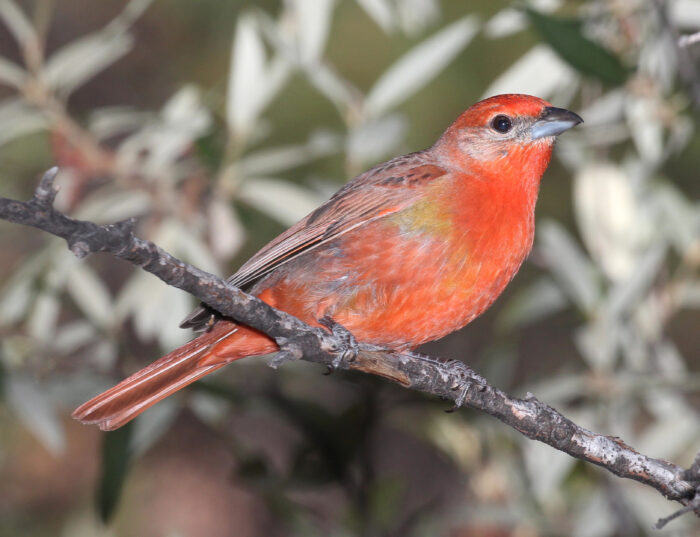
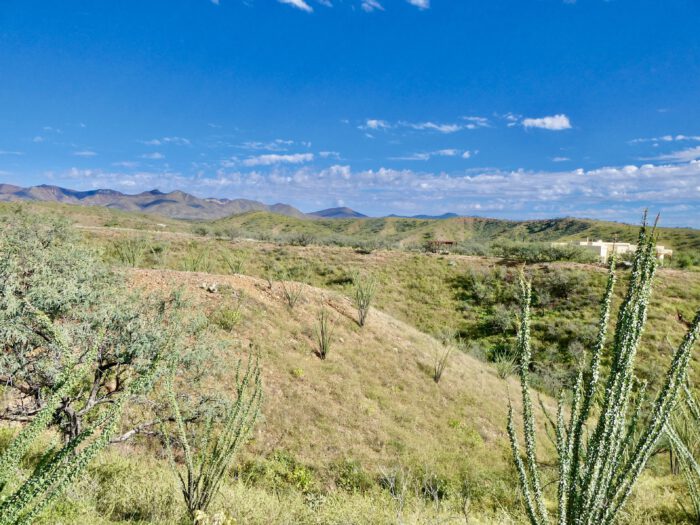
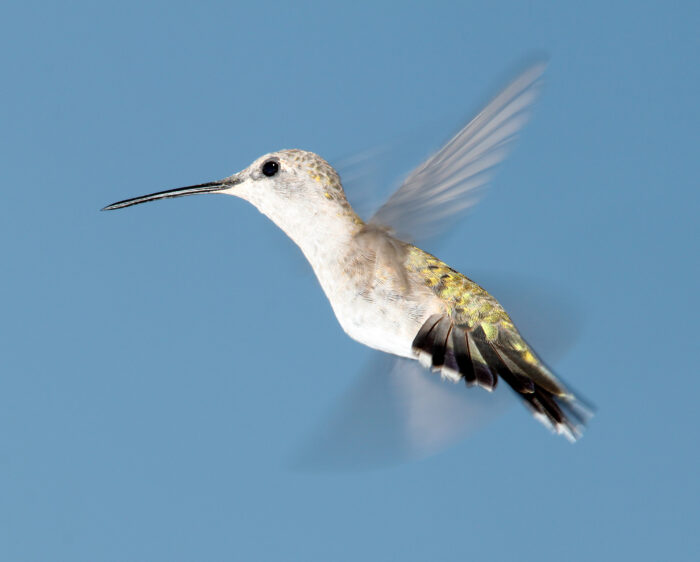

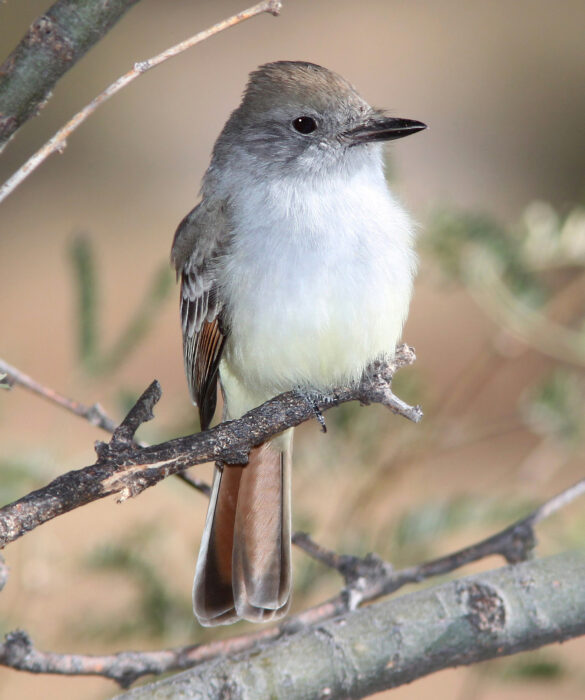
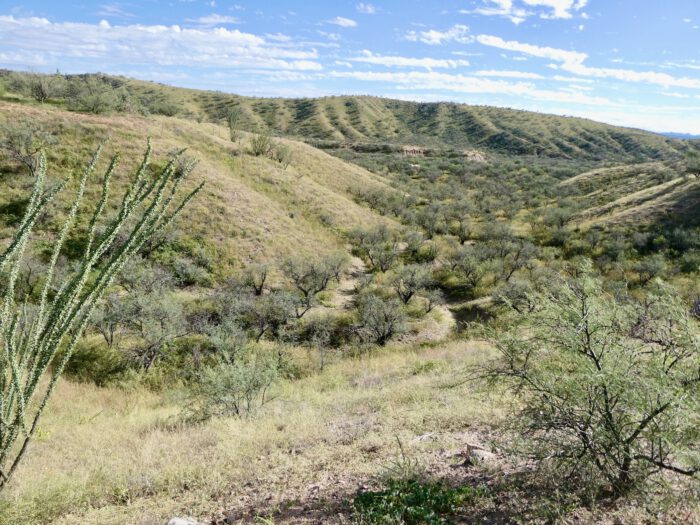
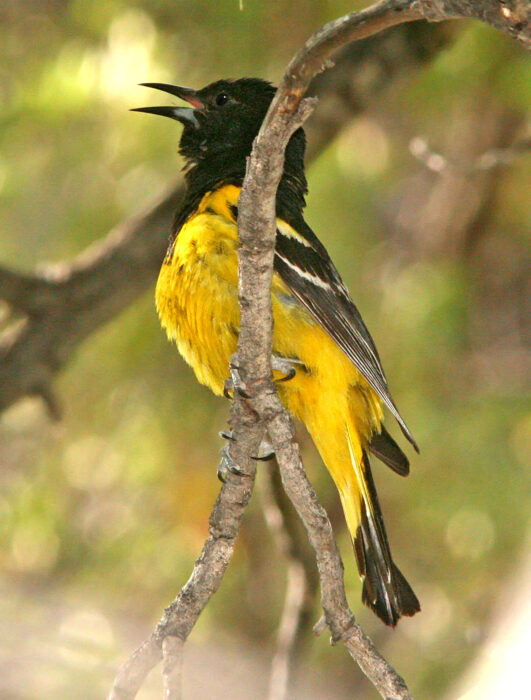
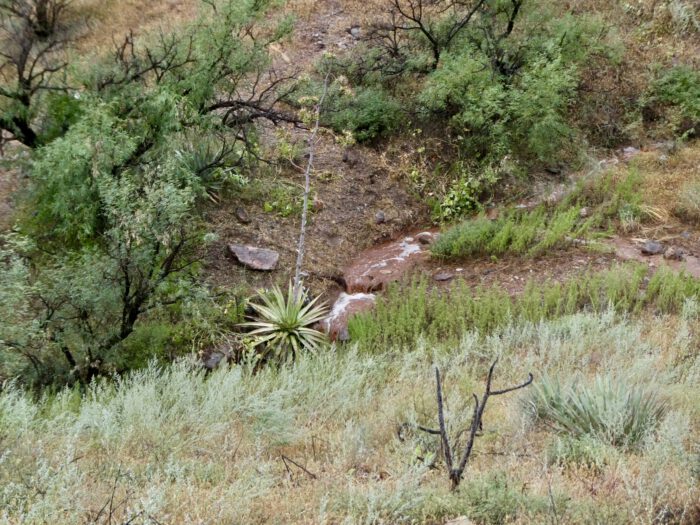
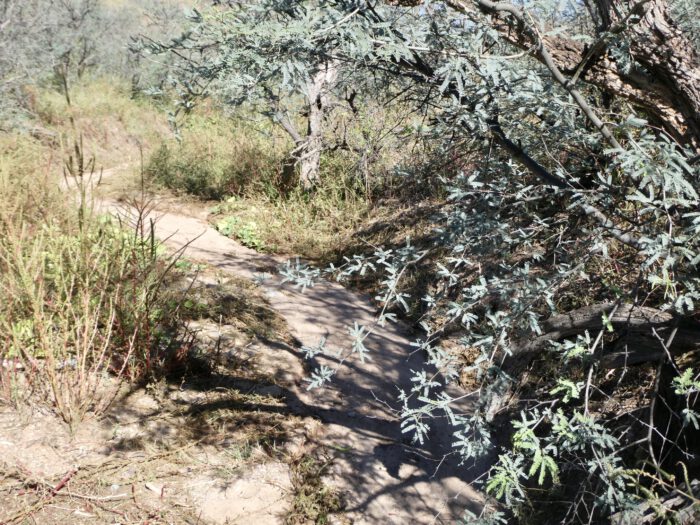
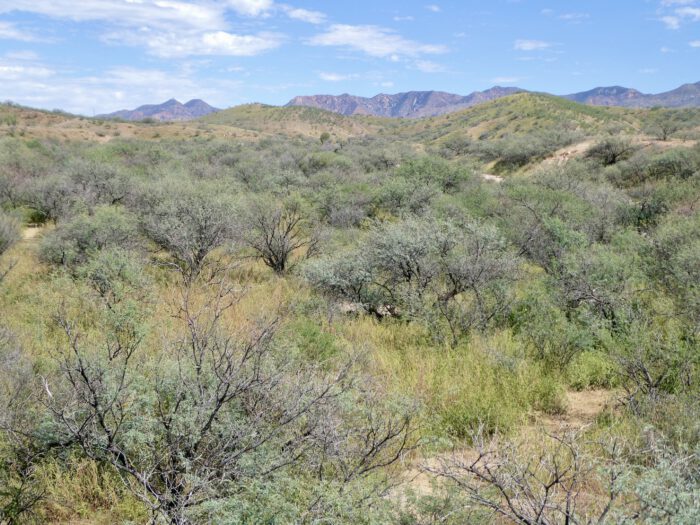
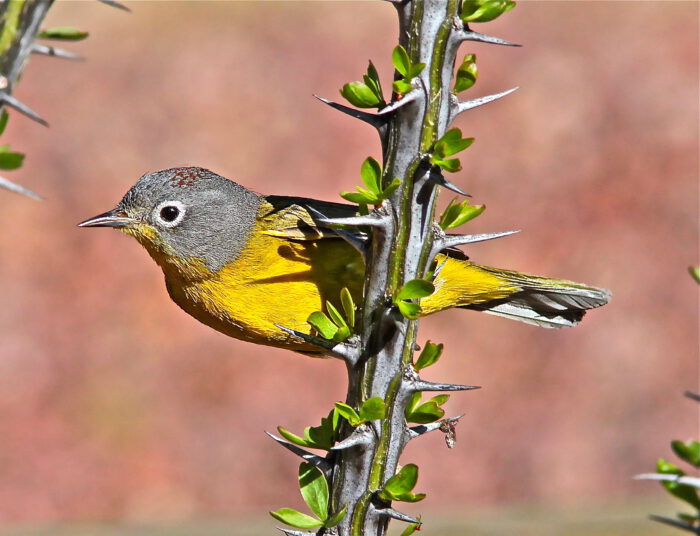
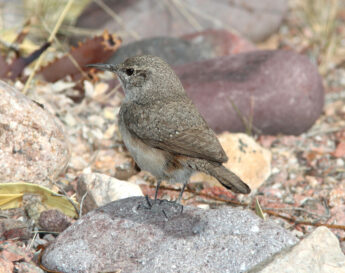

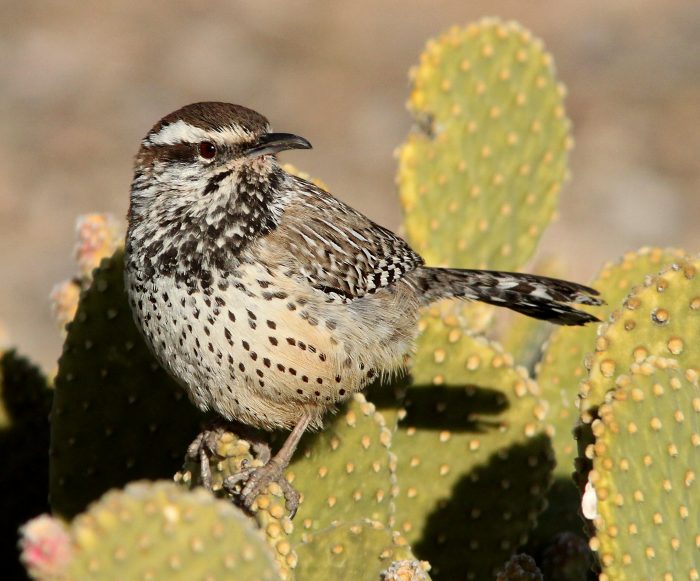
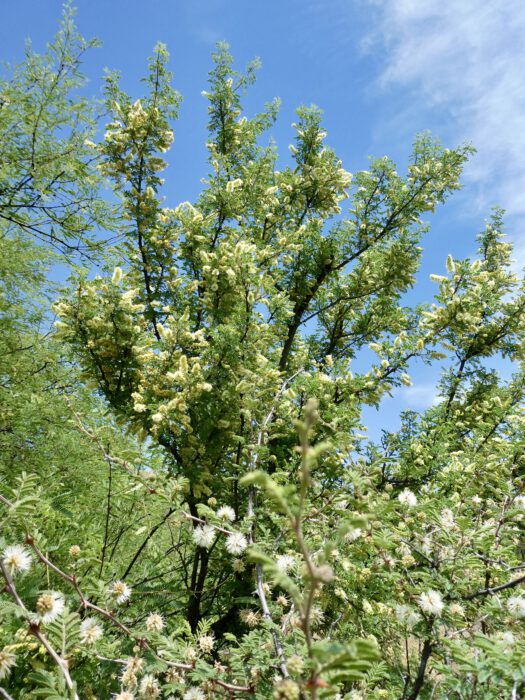
Birding at Raven’s Nest Nature Sanctuary provides an enormous advantage in spotting its diverse bird species – height of the various habitats.
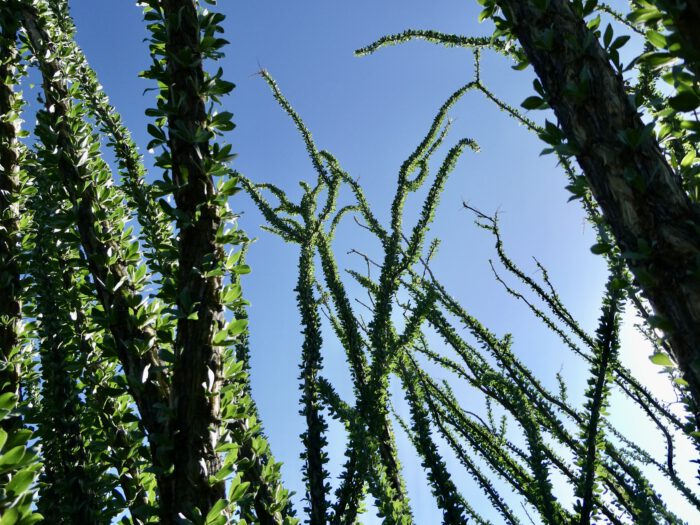
Given that our oldest and tallest trees top out at about 35 – 40 feet, it is far easier to spot birds and get excellent views than in structurally higher habitats in the U.S. and abroad. This makes not only for superb birding but also first-class bird photography. 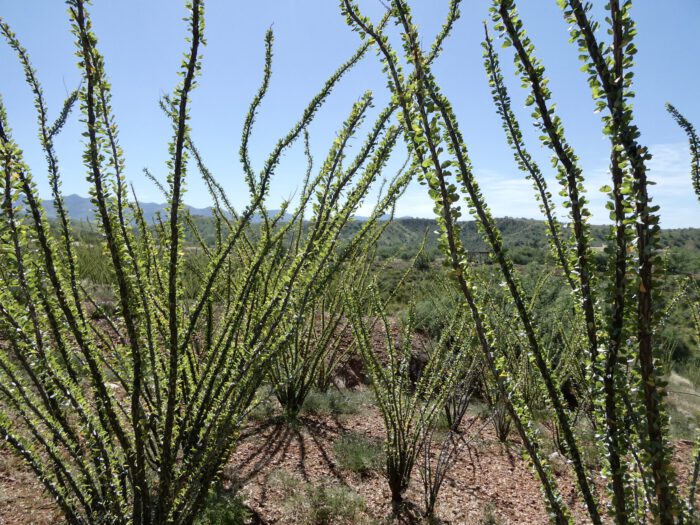
Seasonal Birding at Raven’s Nest
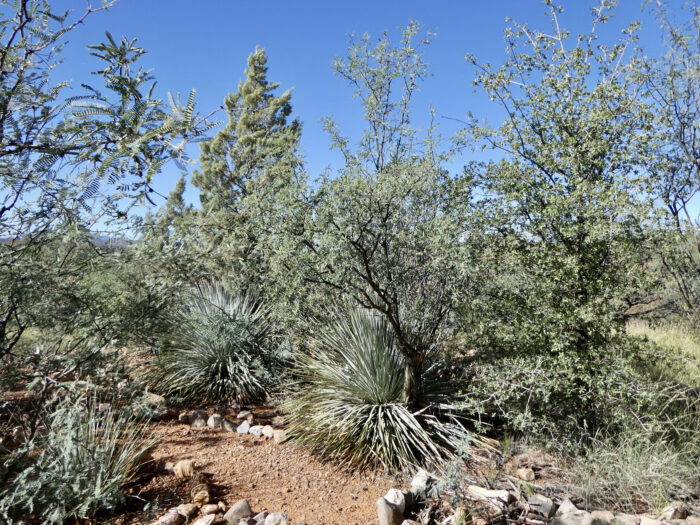
Diverse seasons at 42-acre Raven’s Nest Nature Sanctuary provide its own spectacular rewards. Each season unfolding into an even more exciting Sky Islands birding experience.
SPRING BIRDING AT RAVEN’S NEST

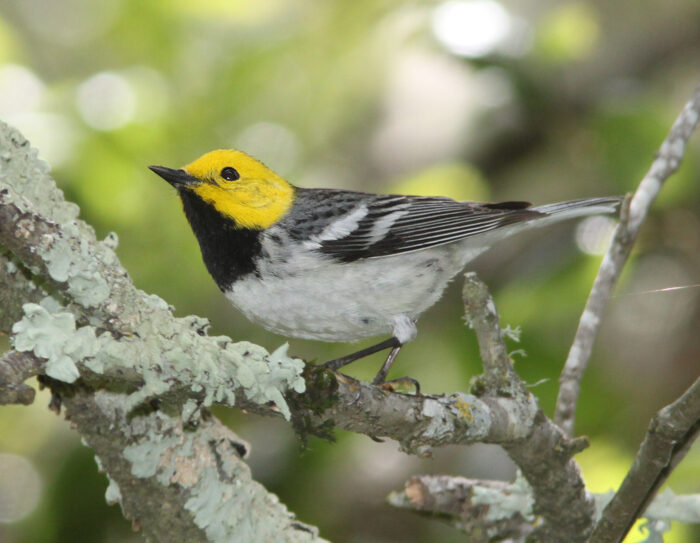
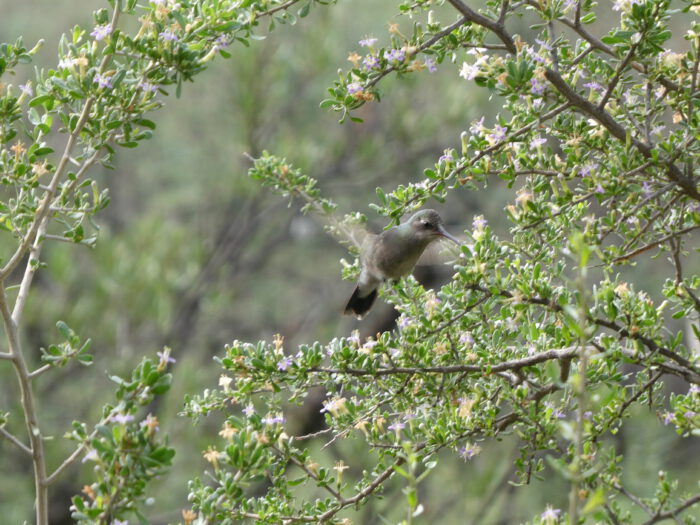

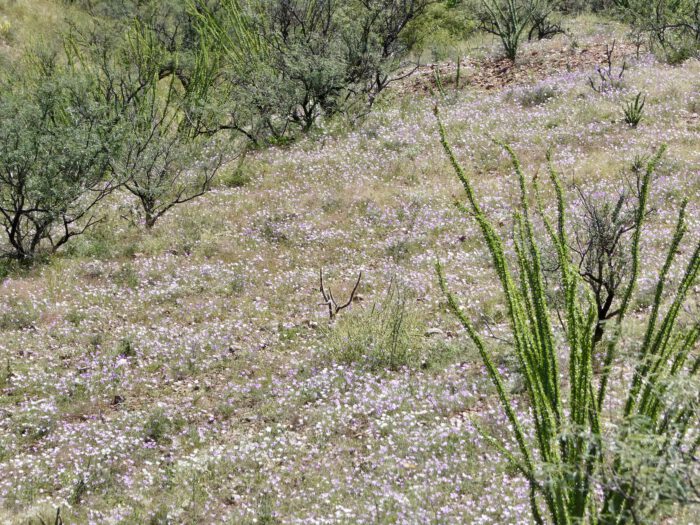
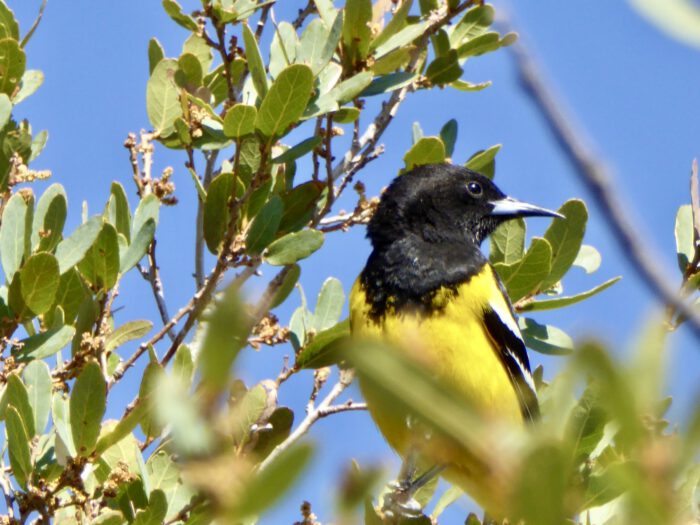
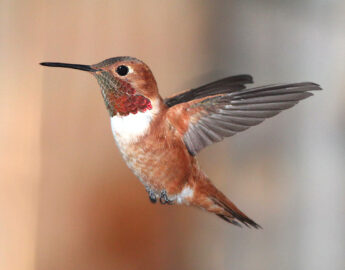
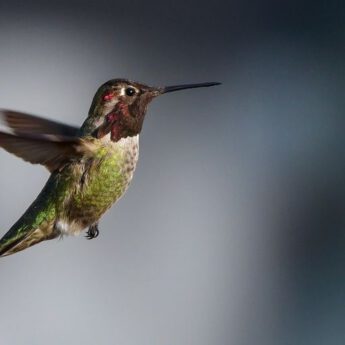
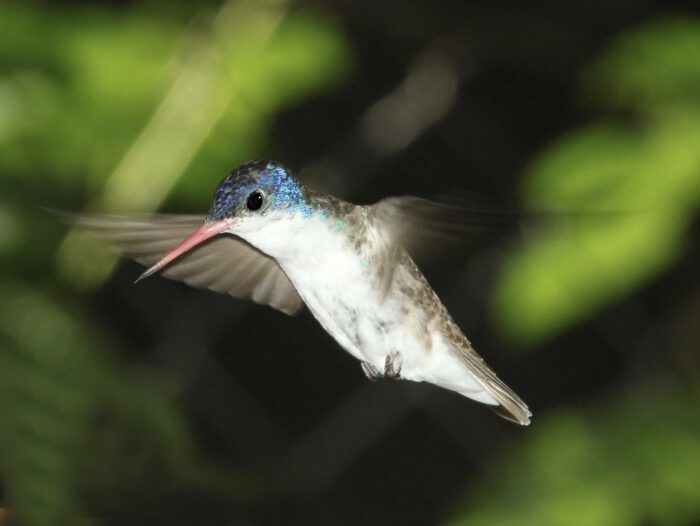
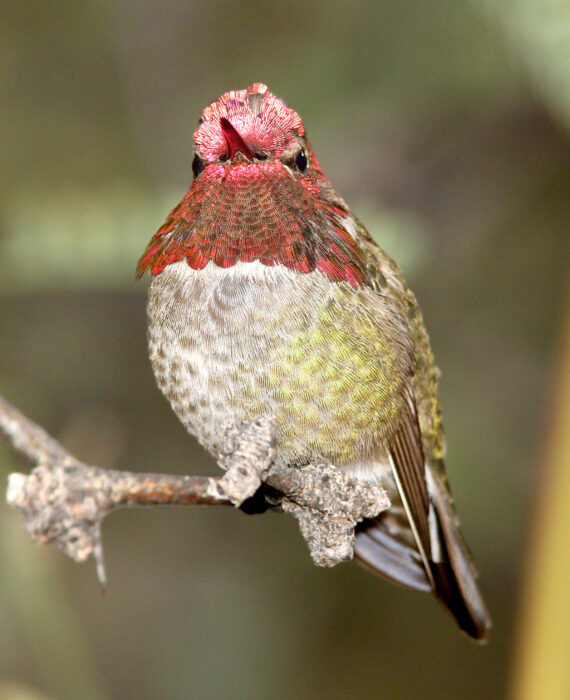
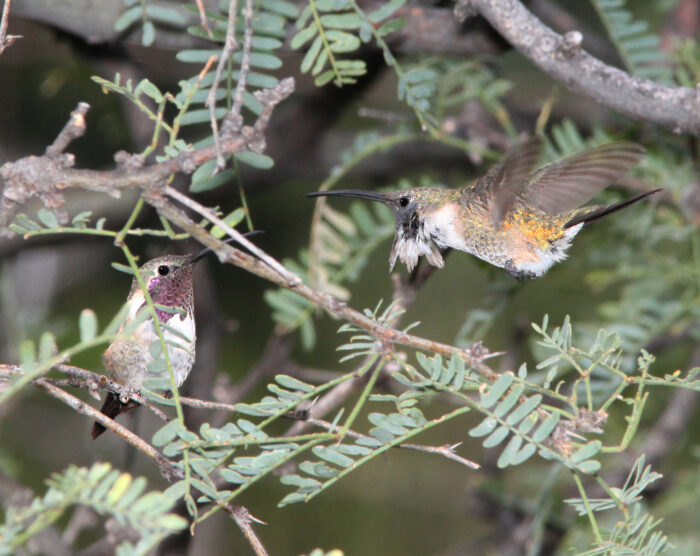
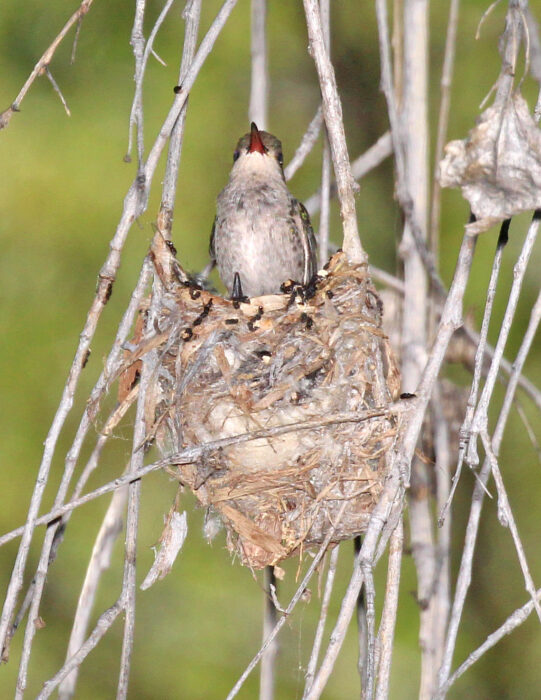

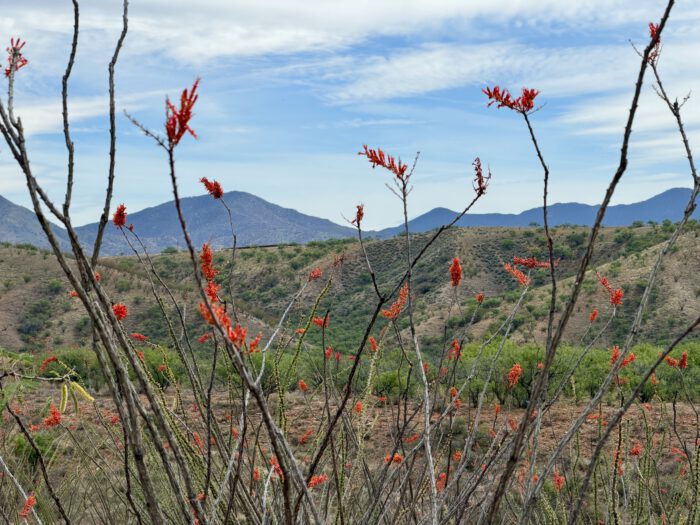
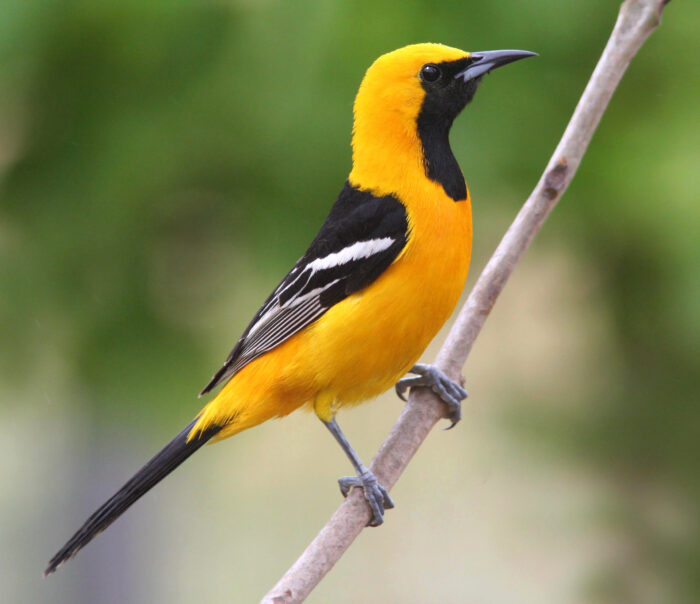
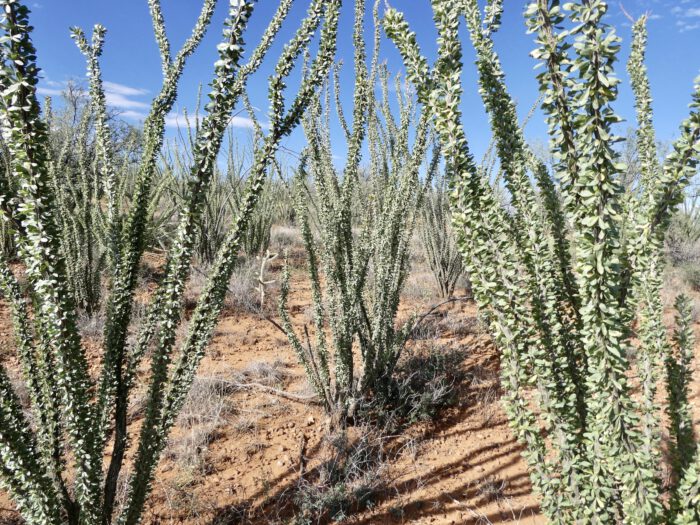
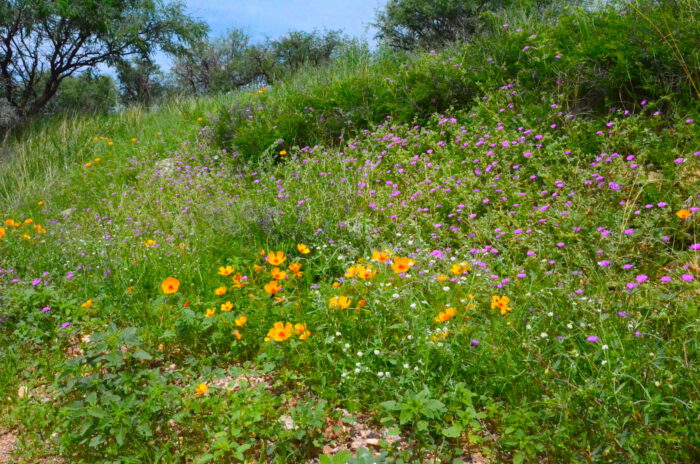
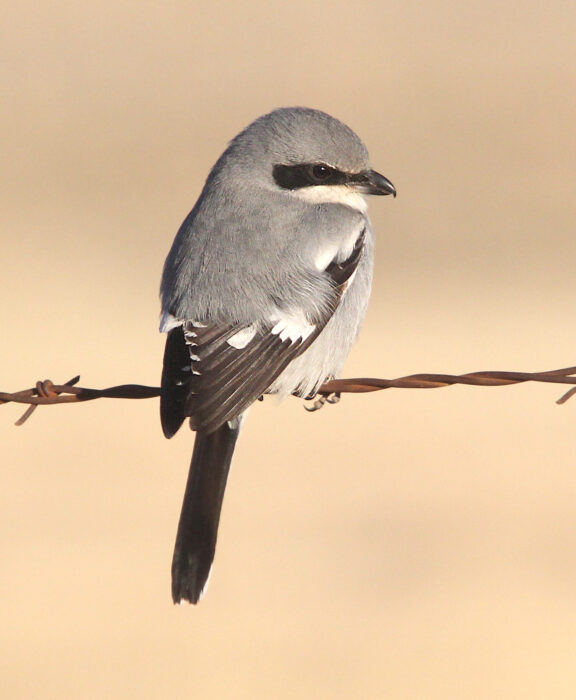
Many spring migrants are drawn to specific habitat features at Raven’s Nest. Flame-red Ocotillo flowers draw in such varied visitors as Lucy’s and other Warblers, Scott’s Orioles, Bullock’s Orioles, Hooded Orioles, Broad-billed and other Hummingbirds, Pyrrhuloxias, Black-headed Grosbeaks, and Loggerhead Shrikes looking to slay the diners.
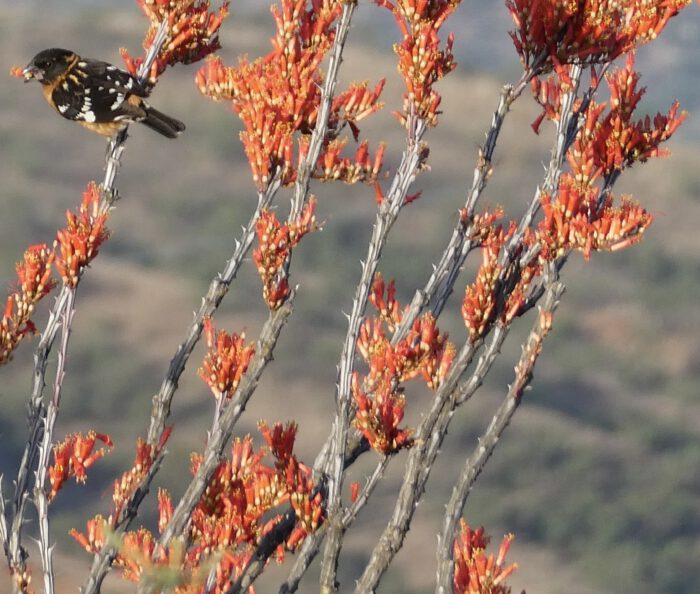
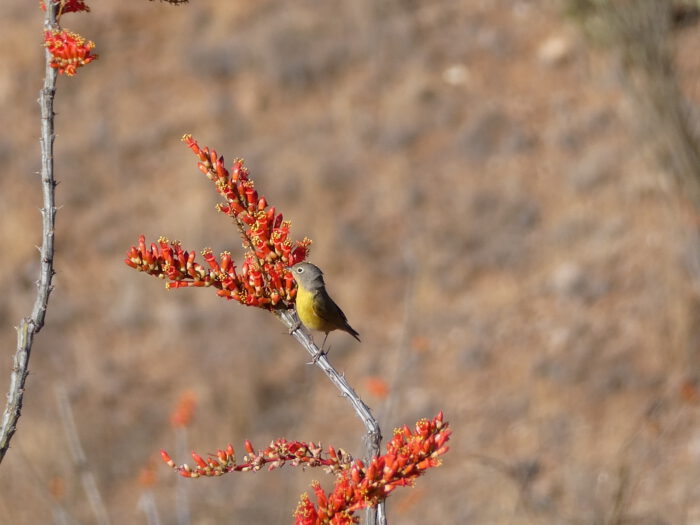
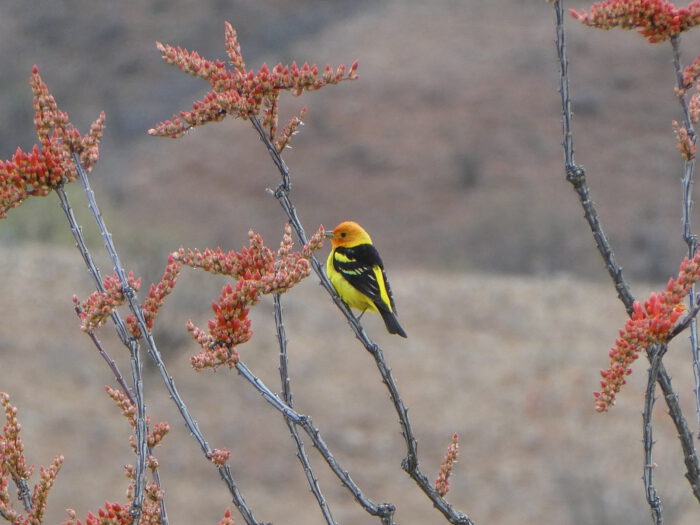
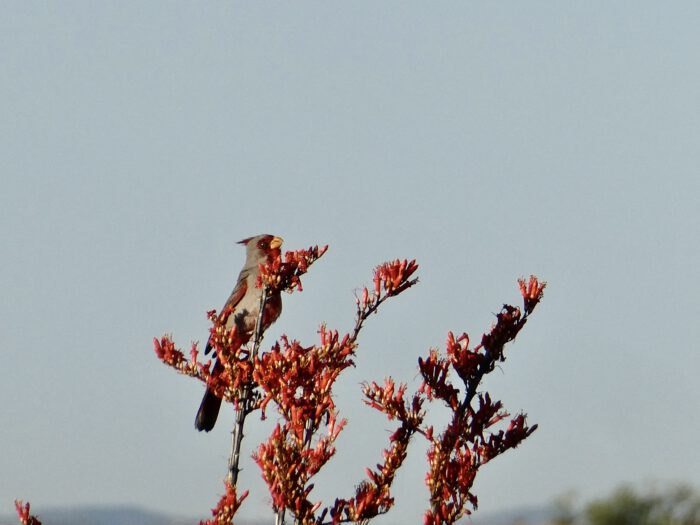
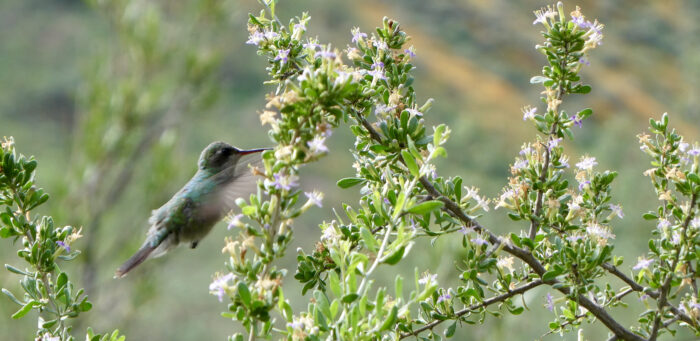
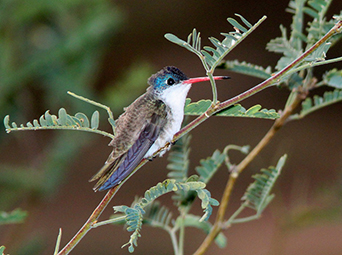
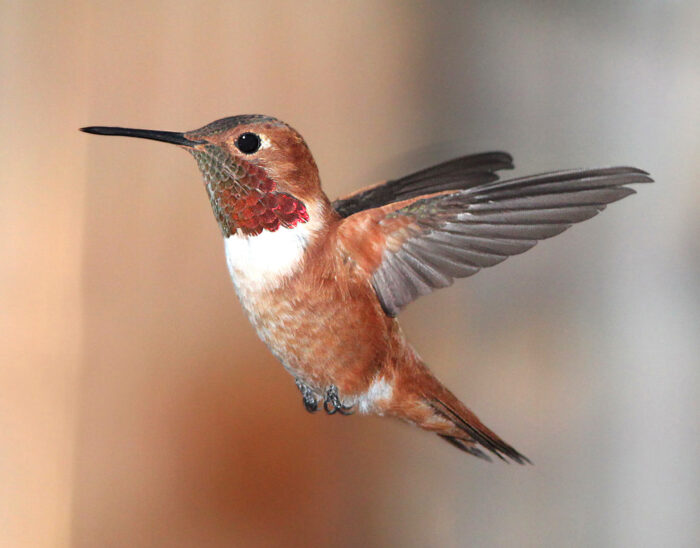
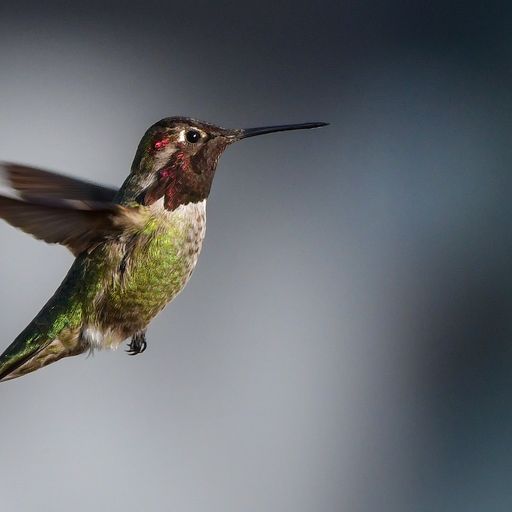
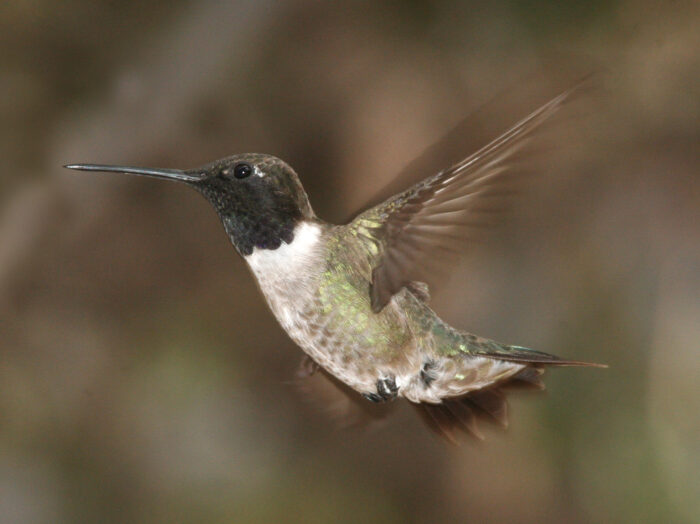
Peak time for Hummingbird watching is during spring migration. This is when breeding species at the preserve – Broad-billed, Black-chinned, and Costa’s Hummingbirds – share habitat resources with migrants such as Anna’s, Rufous, Violet-crowned, and Broad-tailed Hummingbirds.
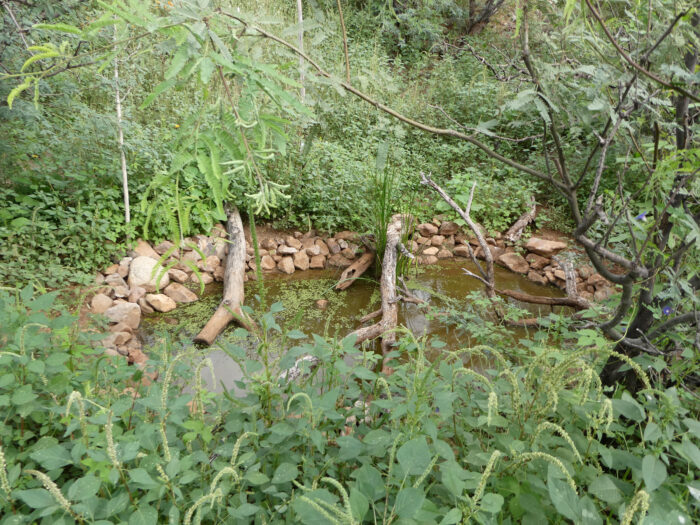
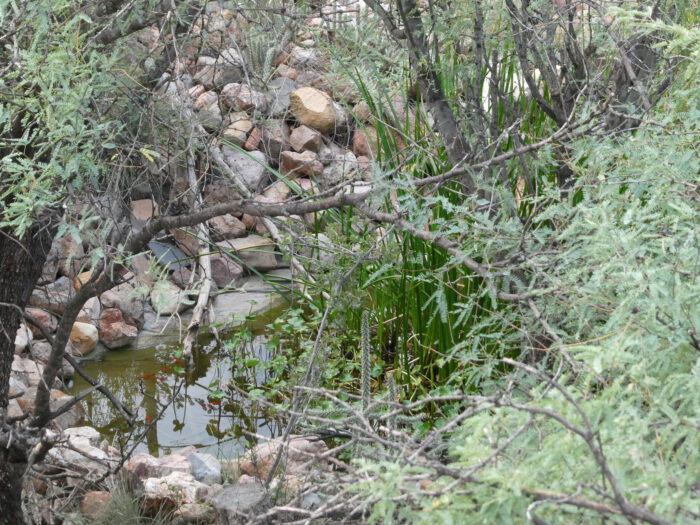
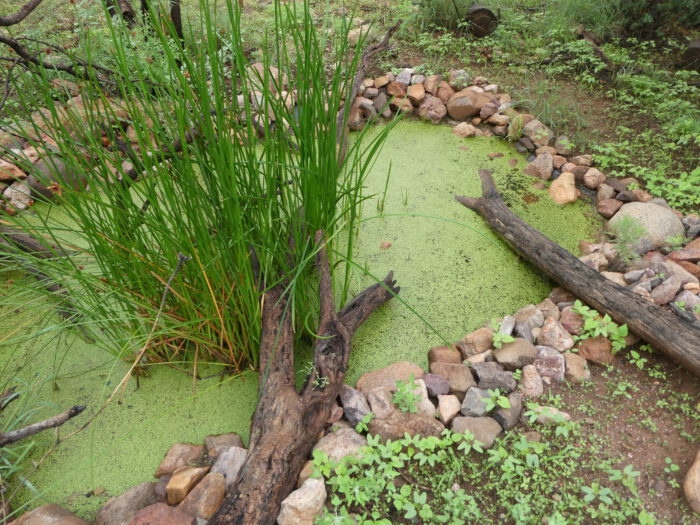
Other migrants gravitate to our various Wildlife Ponds – replete with native aquatic plants – where they can quench their thirst and bath.
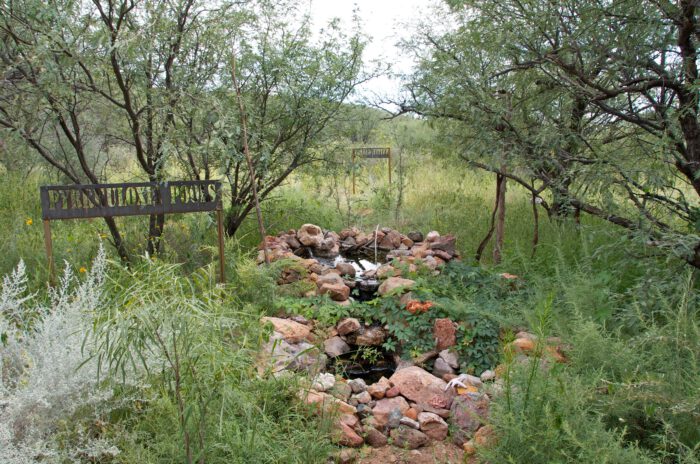
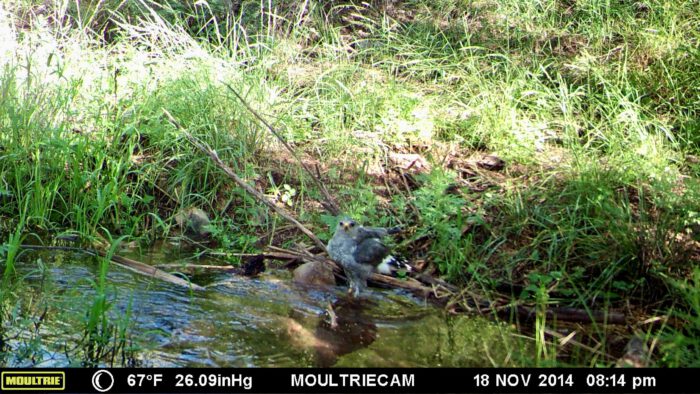
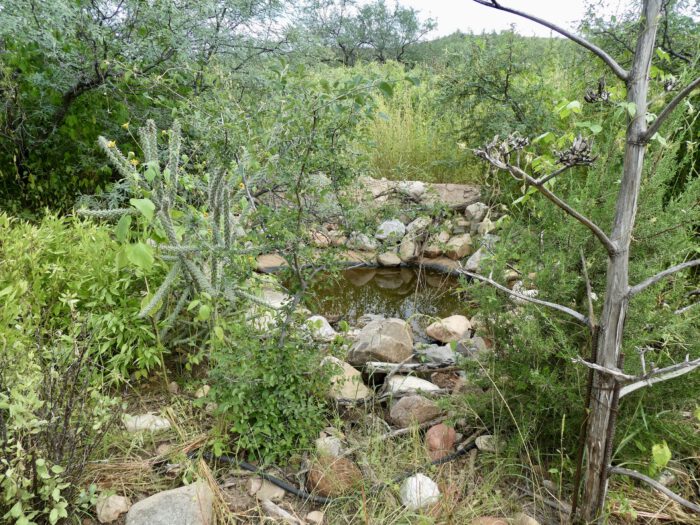
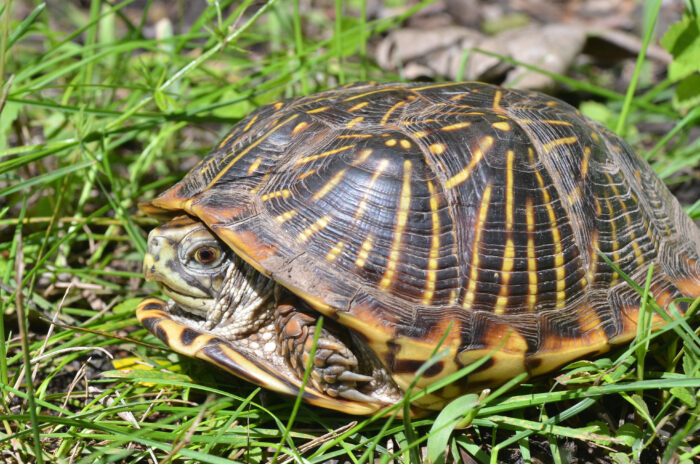
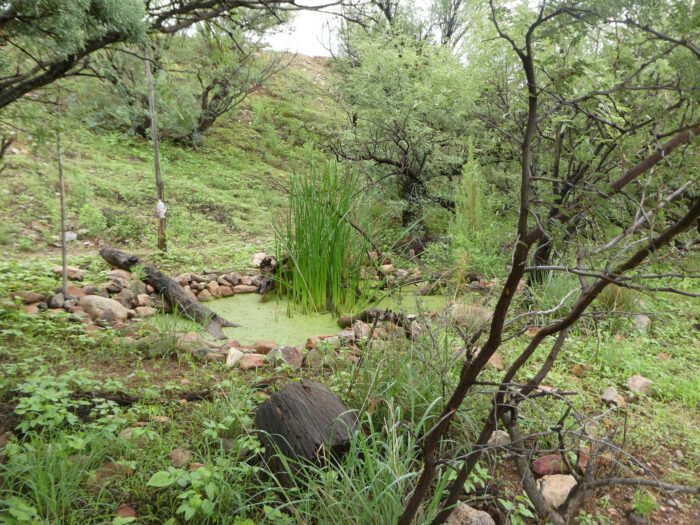
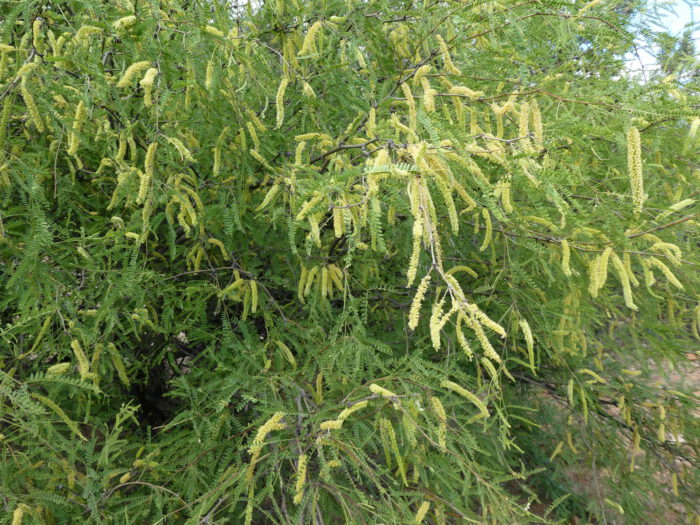
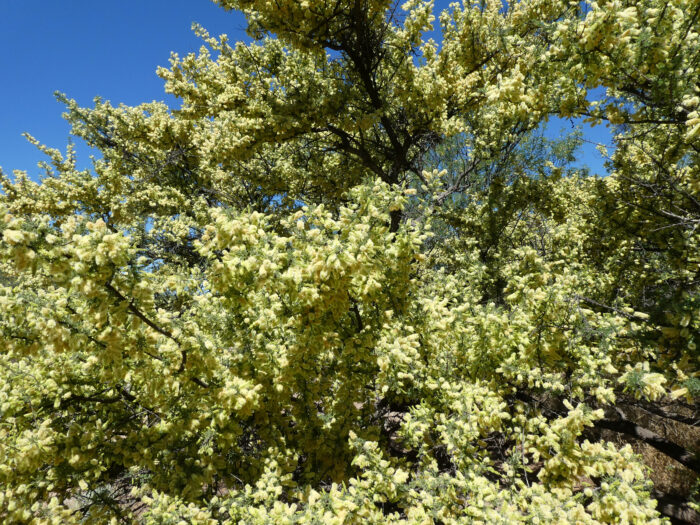
Flowering Velvet Mesquite and Catclaw Acacia trees host a myriad of pollinators and other invertebrates, luring in insectivorous birds.
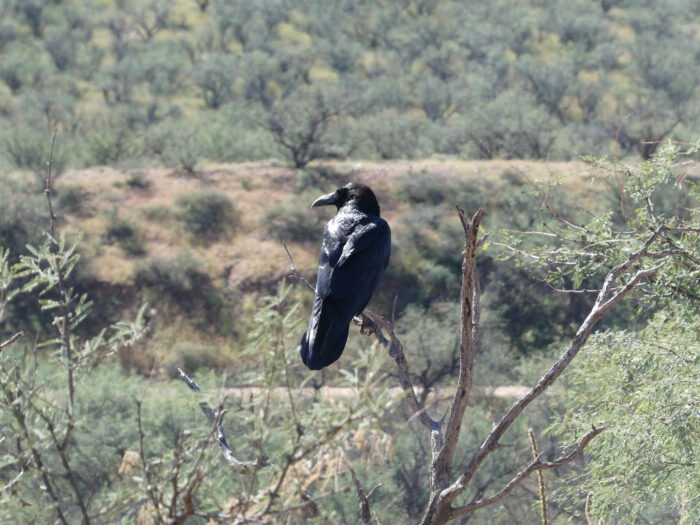
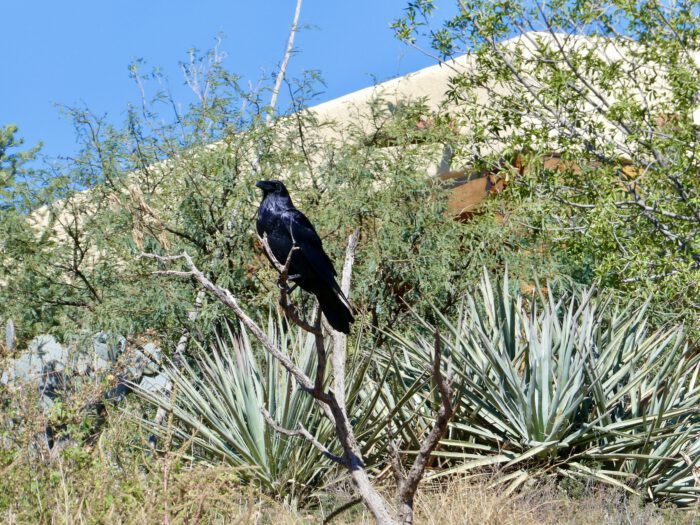
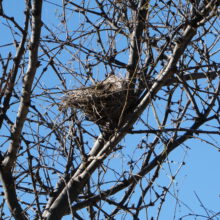
Our resident pair of Common Raven’s have squawking young in their nest in spring. Certainly, a yearly highlight to be able to witness the fascinating family and feeding dynamics for the largest song bird in the world!
Monsoon Birding at Raven’s Nest
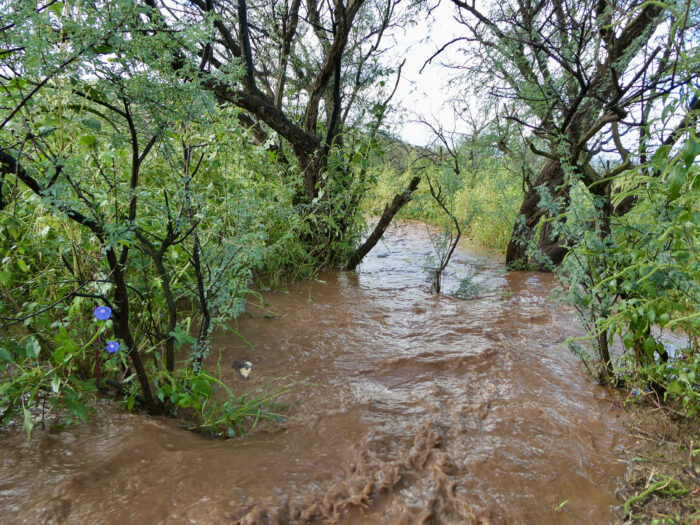
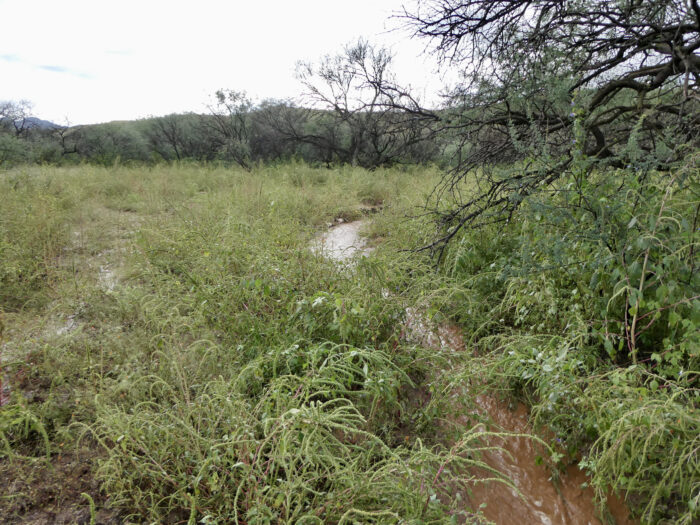
Running from mid-June until the end of September the ample rains of monsoon season bring breeding birds and early fall migrants to the fore. At Raven’s Nest Nature Sanctuary many iconic bird species can be heard or seen establishing nesting territories in summer.
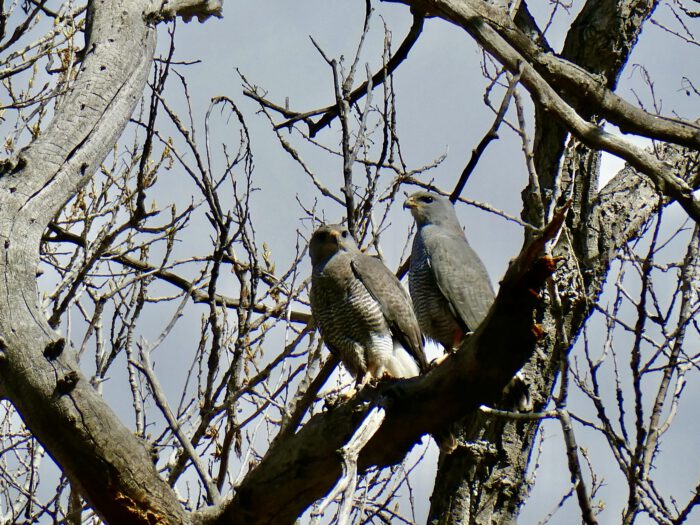
From the subtle and other-worldly quavering whistle of the Montezuma Quail to the piercing cry of the Gray Hawks.
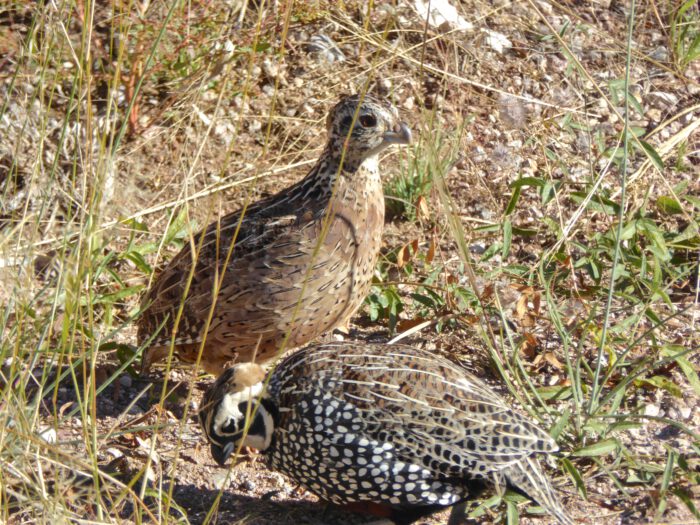
The abundance of monsoon season supports a spectacular time for birding highlighting the unique biodiversity at the preserve. At 4,000’ in elevation summer daytime temperatures at our Nature Sanctuary generally range from the mid 80’s to the high 90’s.
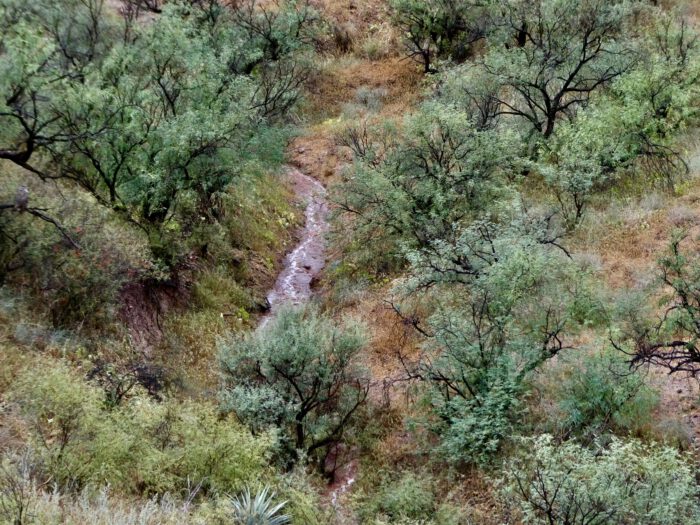
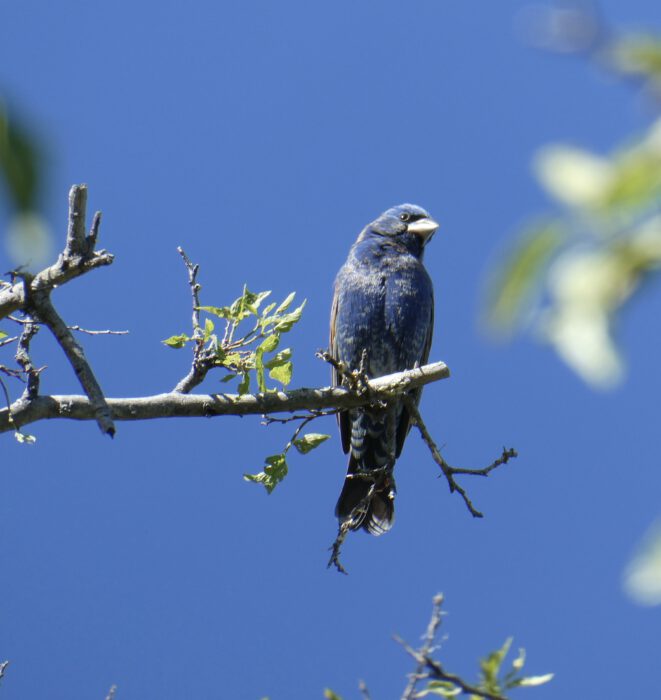
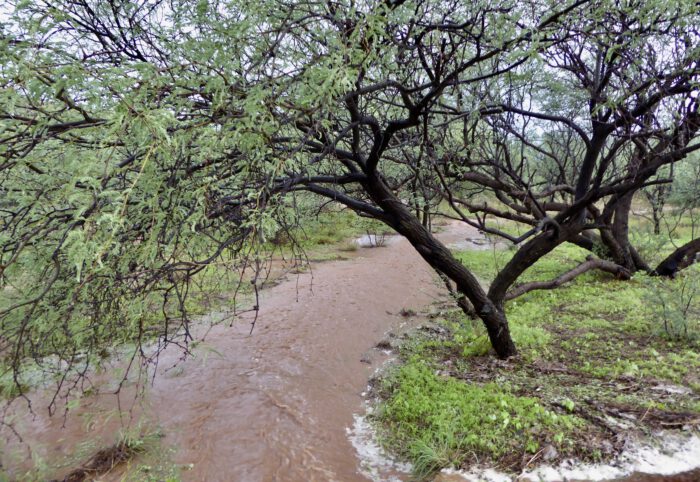
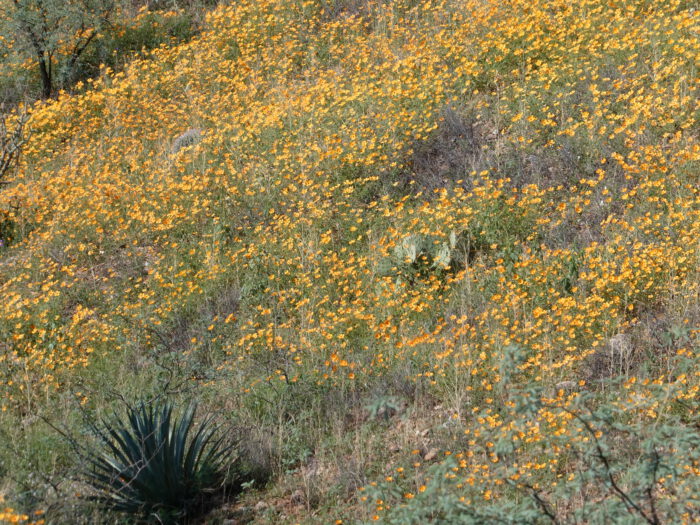
Lower humidities than many areas of the U.S. often make daytime temperatures quite pleasant for birders. Nighttime lows are in the 60’s to low 70’s, making for cool morning birding.
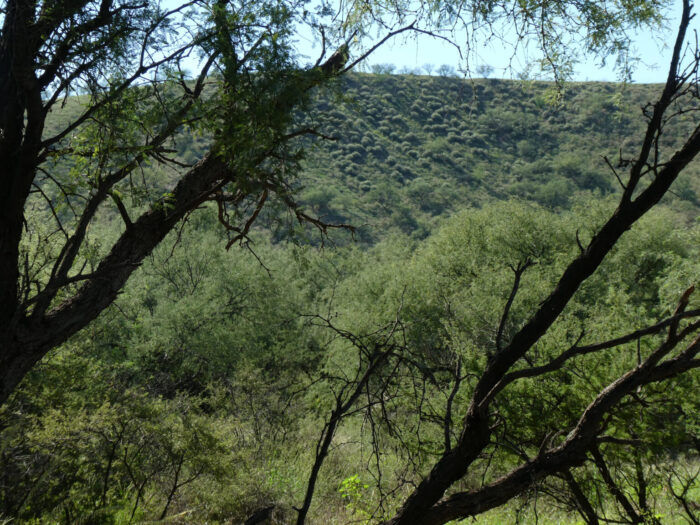
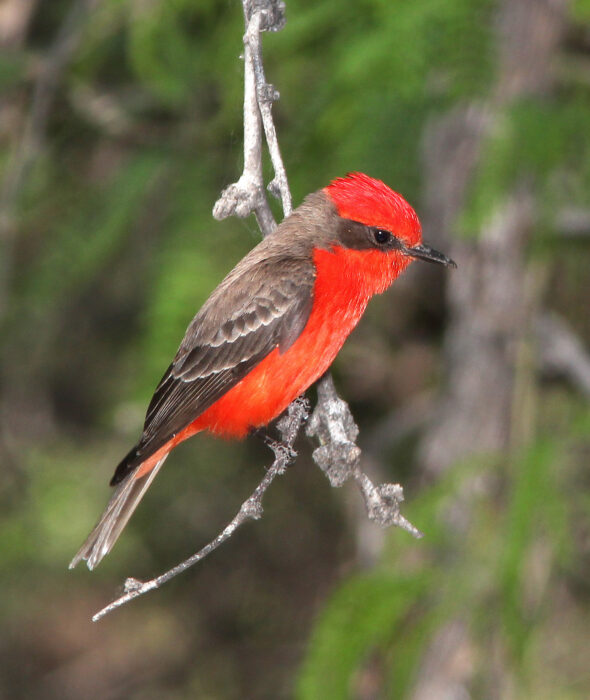
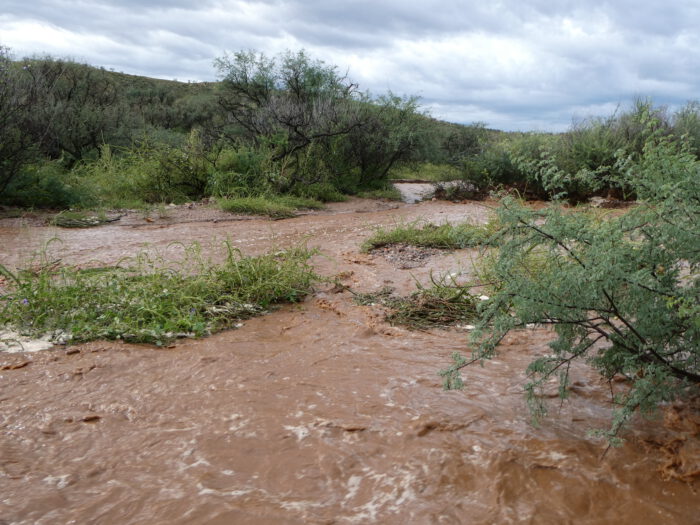
Highlights of summer birding include Gambel’s Quail families scurrying through the undergrowth or perched on the trees to evade predators. Vigilant parents protect the young as watchful sentinels while the youngsters drink at our multiple wildlife ponds throughout the preserve.
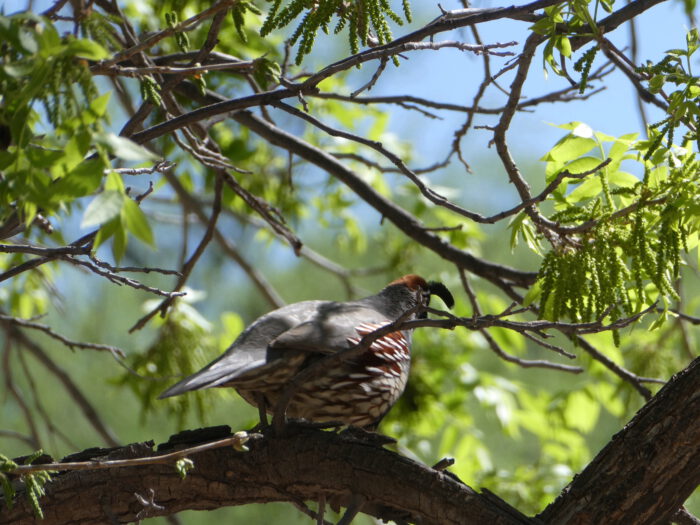
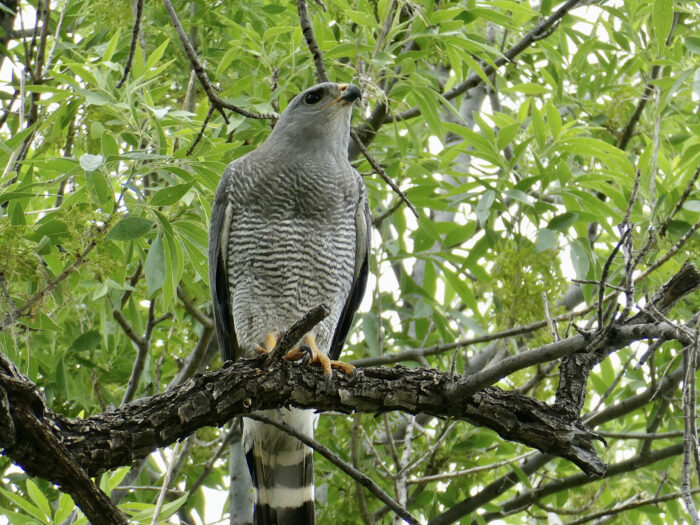
Gray Hawks strafing their reptilian prey, Broad-billed and other Hummingbirds nectaring at native wildflowers, and Lucy’s Warblers nesting a second time in mesquite cavities.
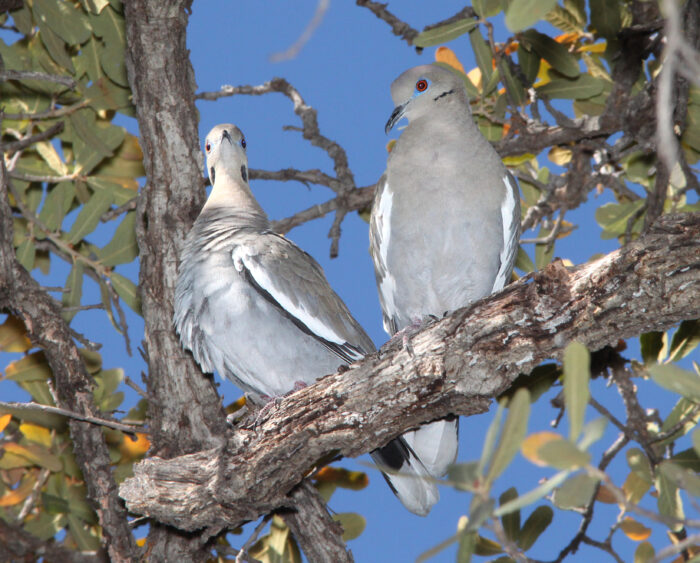
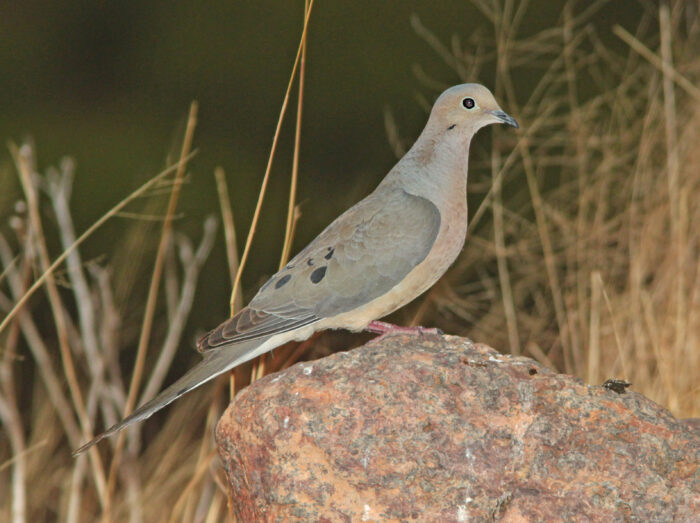
Some species, such as Mourning Doves, White-winged Doves, Black-throated Sparrows, Verdins and Canyon Towhees, will nest a second or even third time after their initial spring breeding.
Fall Birding at Raven’s Nest

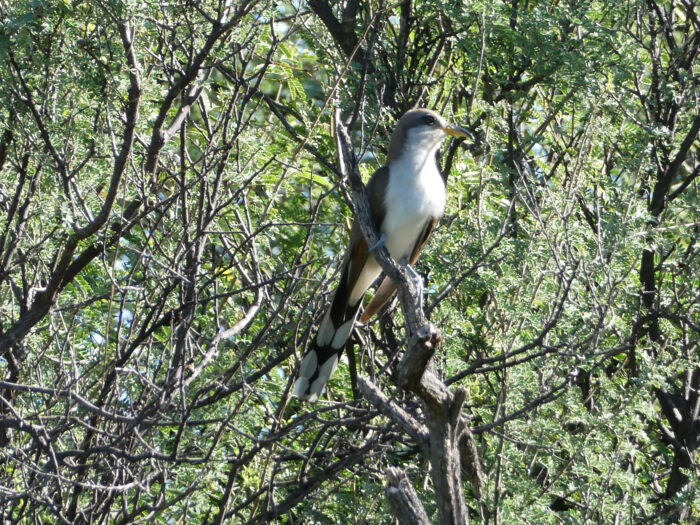
Fall migration actually begins in August for select species in the Sky Islands region. Post-breeding Lark Buntings and endangered Western Yellow-billed Cuckoos show up at Raven’s Nest Nature Sanctuary at this time.
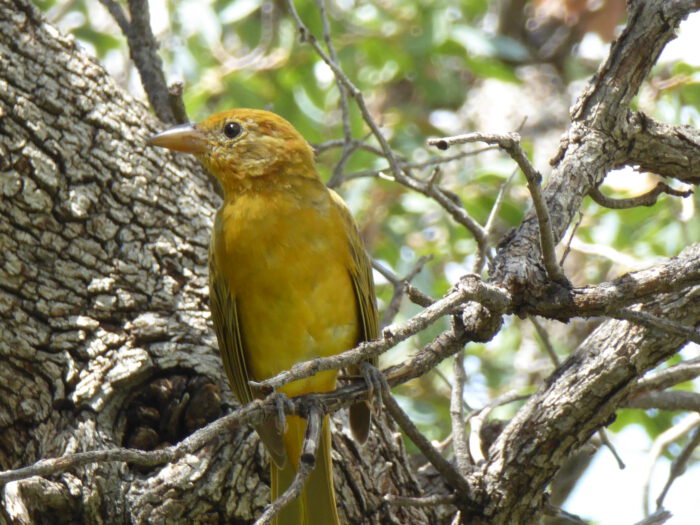
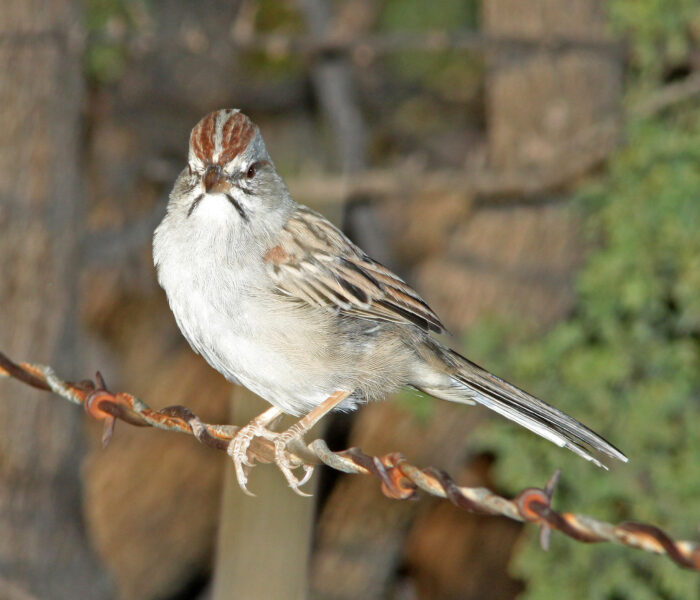
Late August through mid October witnesses countless tanagers, warblers, orioles, sparrows, hawks, and other migrants passing through and fattening themselves courtesy of the wild banquet at the preserve. Overhead, flocks of Snow Goose heading for Mexico can occasionally be spotted.
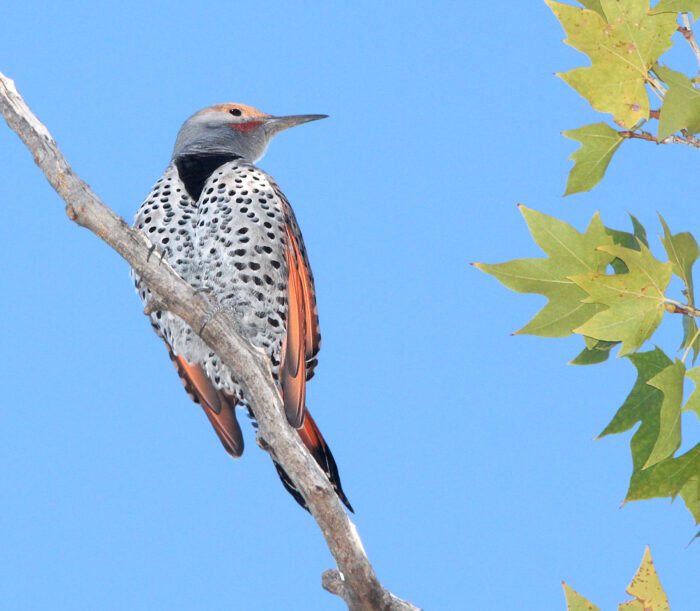
Winter Birding at Raven’s Nest

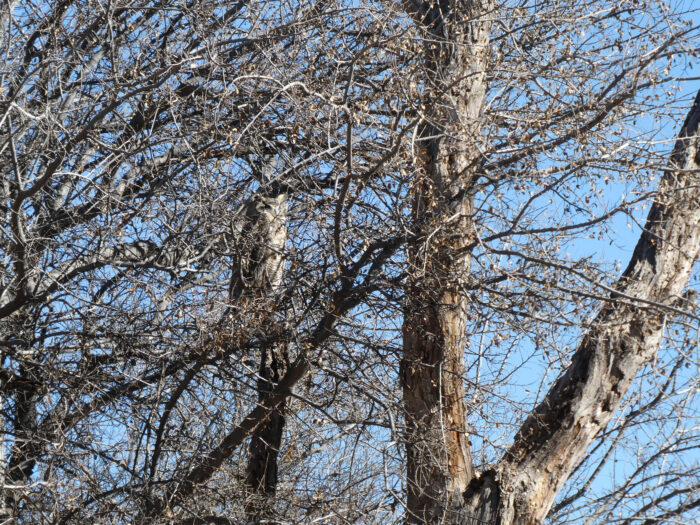
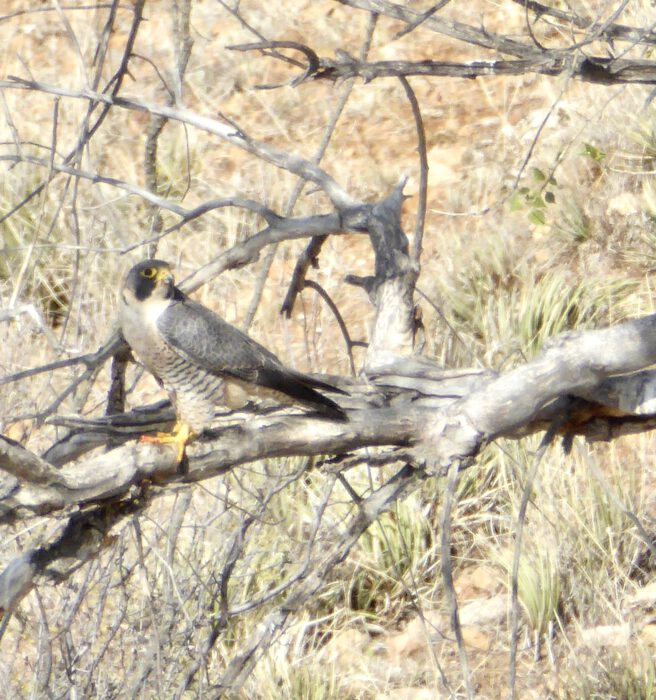
Winter rounds out the birding calendar at Raven’s Nest with many notable species possible on any given day. Gambel’s and Montezuma Quail sightings continue, wary of Cooper’s Hawks and the rare Peregrine Falcon. Great Horned Owls begin courtship in the heart of winter, deeply hooting particularly at dusk and dawn.
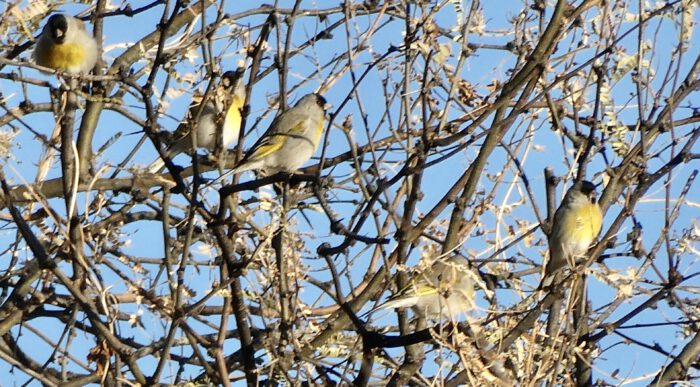
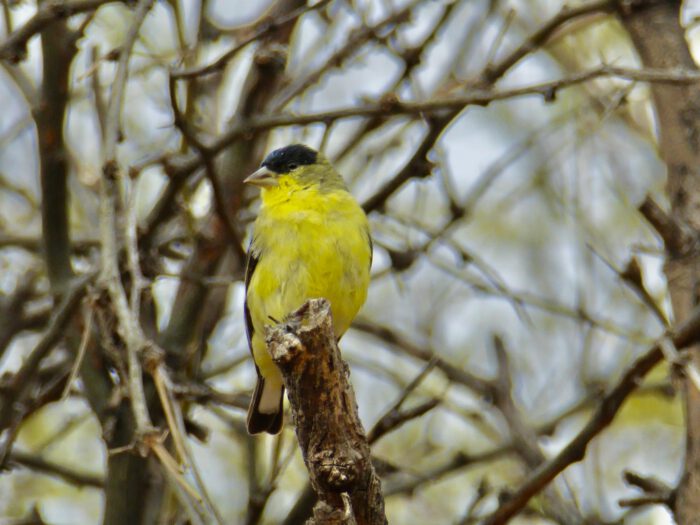
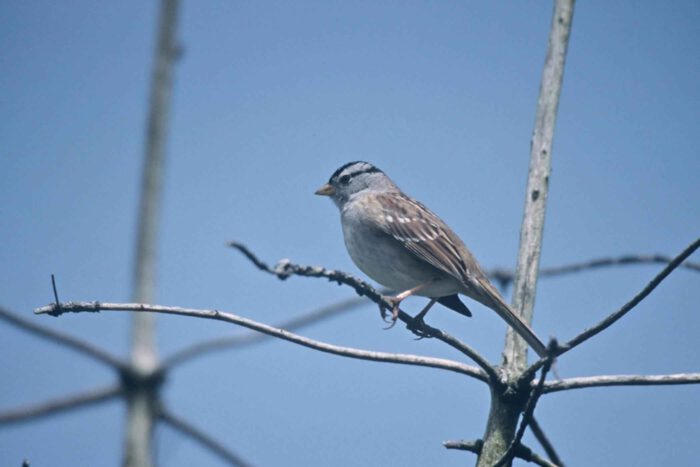
Among the greatest pleasures of winter is tracking down flocks of Lawrence’s Goldfinches. These California breeders often winter at the preserve, sometimes mixing with Lark Sparrows and other species.
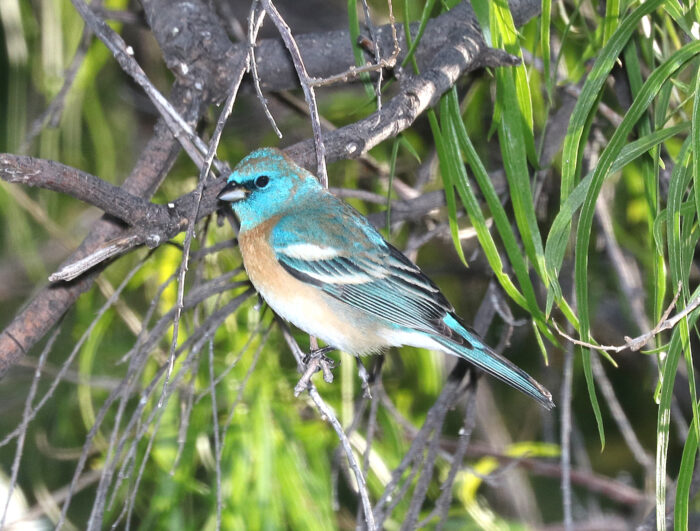

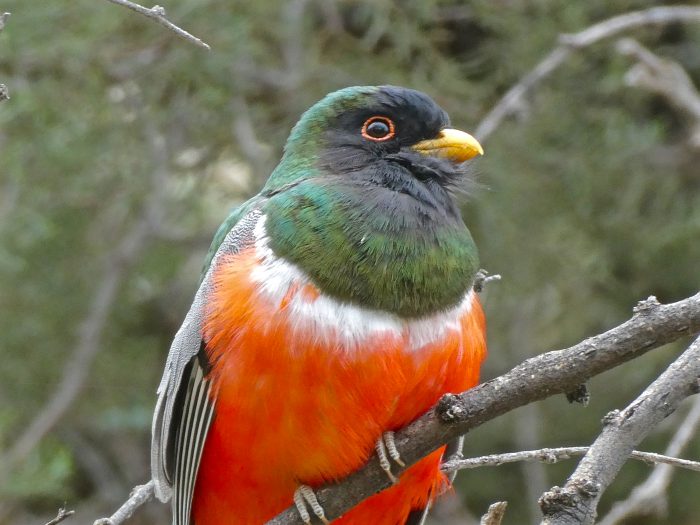
Surely the greatest birding reward we have ever experienced in winter at Raven’s nest is the dramatic appearance of a stunning male Elegant Trogon in January! Likely visiting from nearby Patagonia Lake State Park, this intrepid bird was spotted as is hunted in our woodlands on a foggy winter’s day.
Word class Birding at Raven’s Nest Nature Sanctuary is – from an ecological and birdwatching perspective – akin to being in Mexico! Here we boast an extensive list of with many species found locally and in few or no other parts of the U.S.! View and download the Raven’s Nest Nature Sanctuary Bird List thus far recorded at our Sky Islands Nature Sanctuary since March 2008.
Raptors at Raven’s Nest Nature Sanctuary
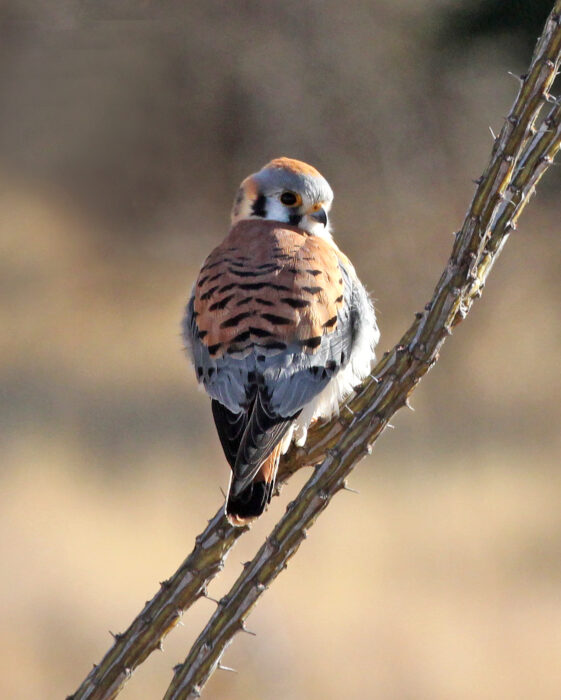
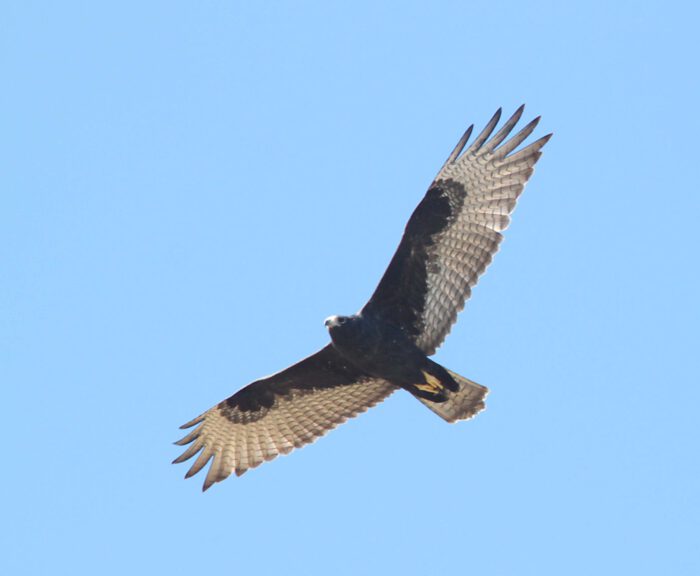
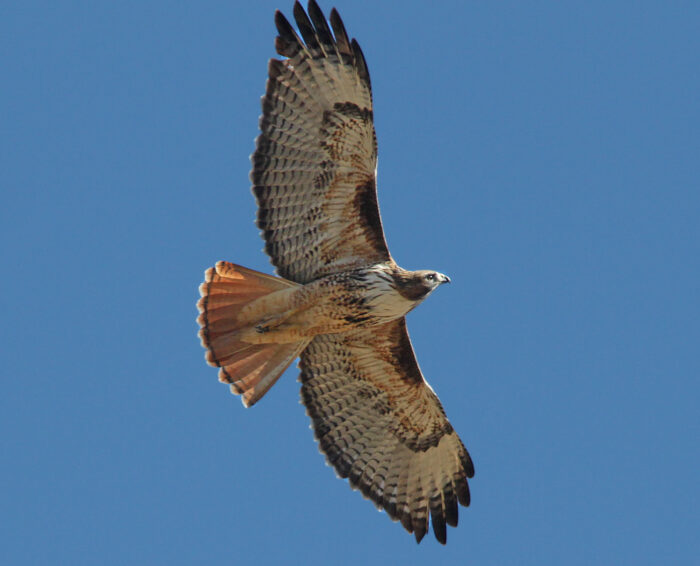
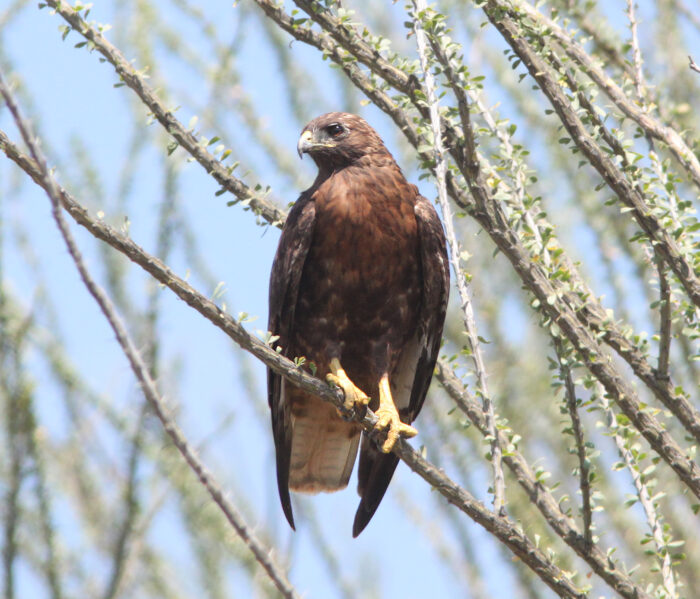
A broad range of diurnal raptors inhabit the Sky Islands with many of them recorded at Raven’s Nest Nature Sanctuary. Year-round species include Red-tailed Hawk, Cooper’s Hawk, Golden Eagle, and American Kestrel.
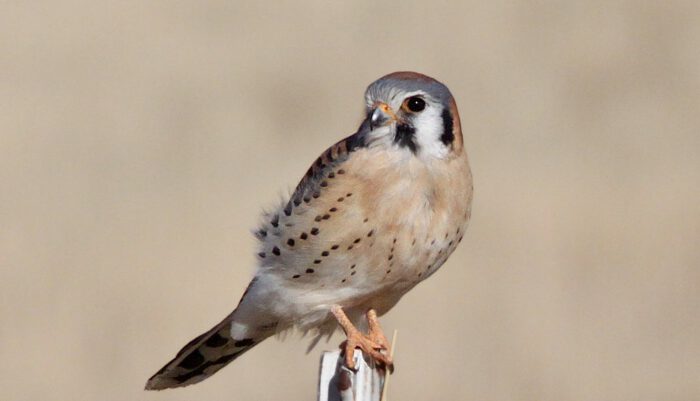
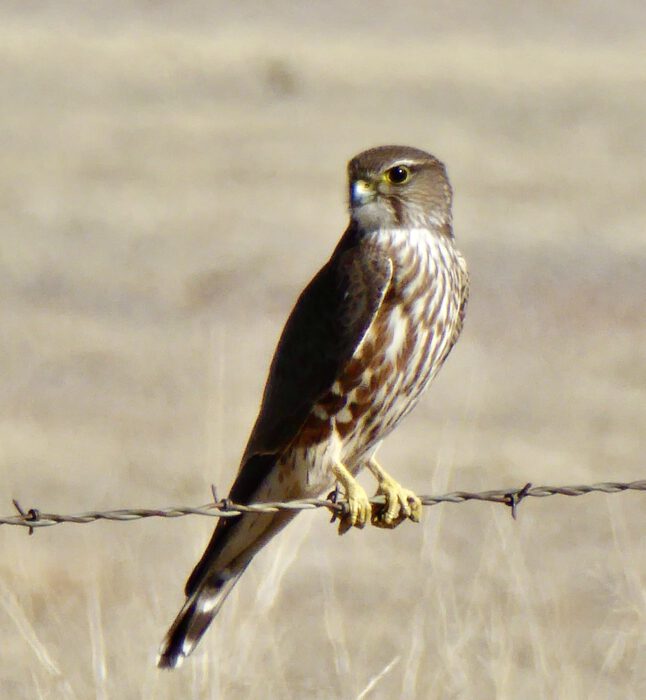
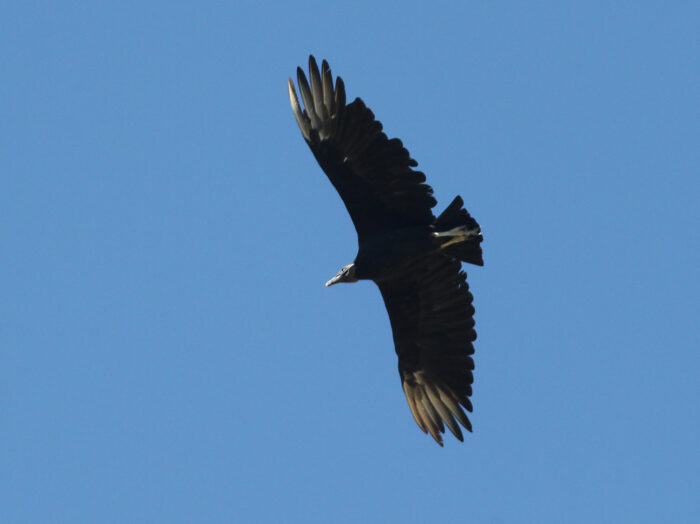
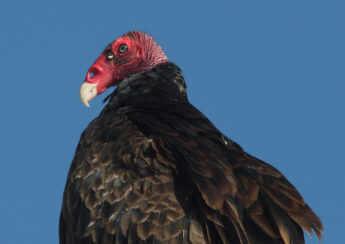
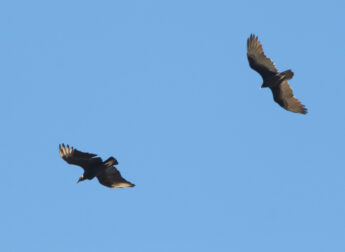
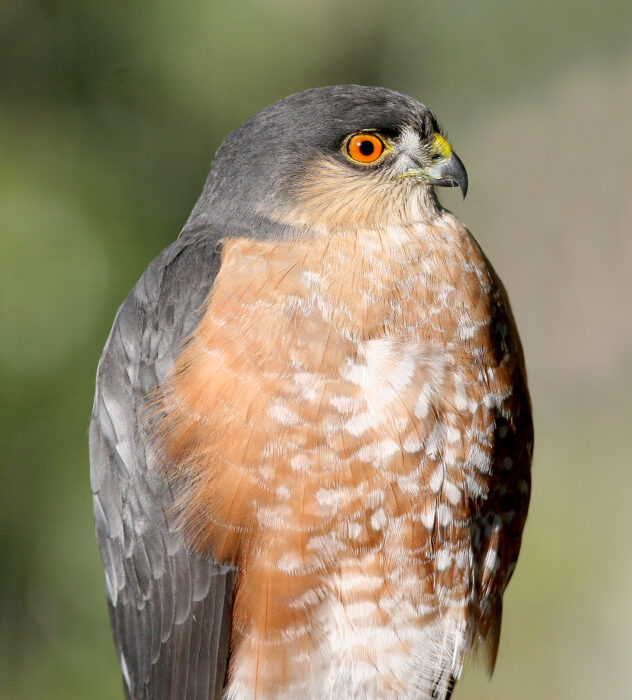
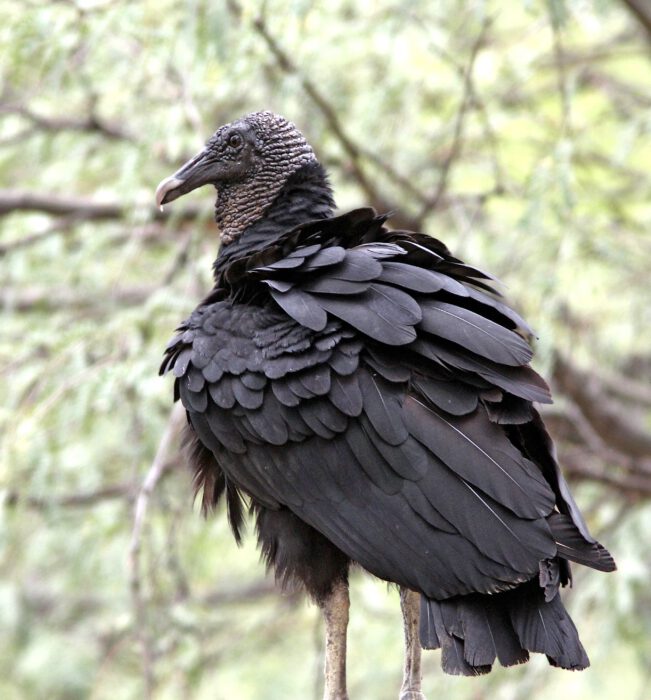
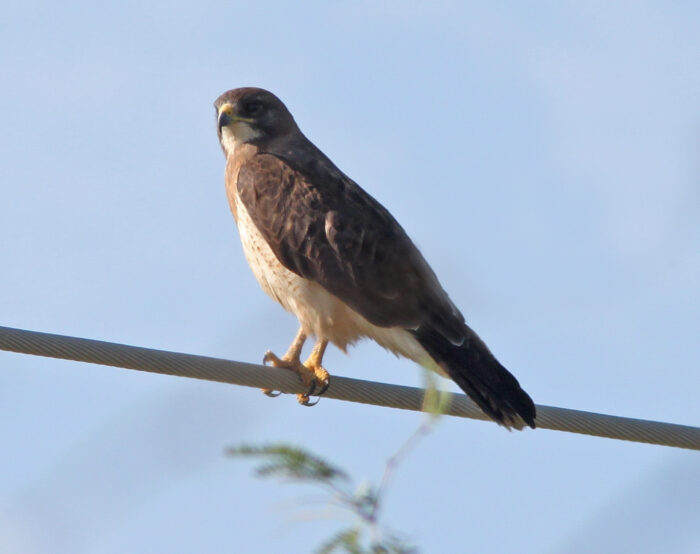
Gray Hawks return each March to breed near the preserve, while Zone-tailed and Swainson’s Hawks venture here to hunt. Migrating and wintering Sharp-shinned Hawks, as well as Merlins and even Peregrine Falcons appear at times. Meanwhile, both Black and Turkey Vultures vie for animal carcasses whenever they are available.
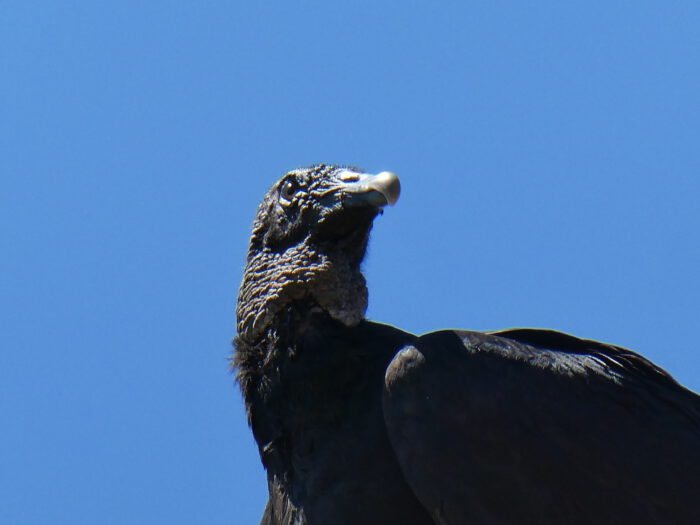
The most iconic Sky Islands raptor living at Raven’s Nest is surely our pair of Gray Hawks. With only approximately 300 nesting pairs in the entire U.S., these small buteos provide a daily thrill with their dashing flights, aerial courtship rituals, and haunting cries. Gray Hawks are the most reptile-dependent raptors in the U.S. They consume many lizard and snake species such as Clark’s Spiny Lizard and Black-necked Garter Snakes.
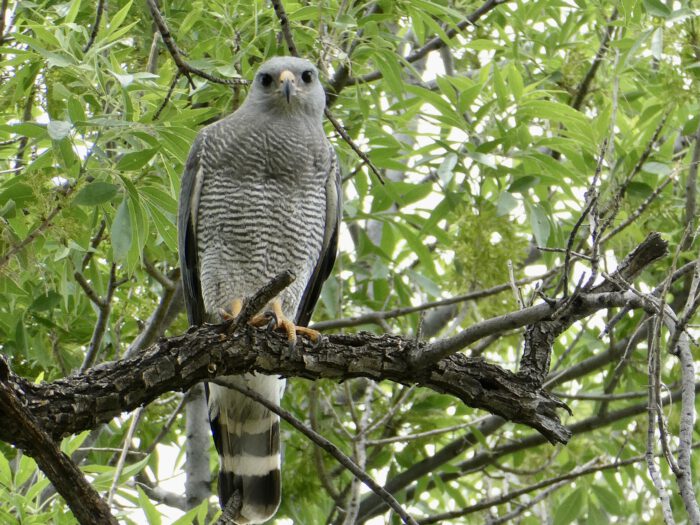
Gray Hawks range all the way from Arizona deep into Central America. Over that extensive area, they hunt and nest in a broad range of habitats. Nesting pairs fiercely defend their eggs and young – a crucial strategy, given that Gray Hawks are rather small for buteos. Thus, aggressively mobiing larger Red-tailed Hawks or even huge Golden Eagles helps to keep these predators away from the nest.
Nocturnal Birding at Raven’s Nest Nature Sanctuary
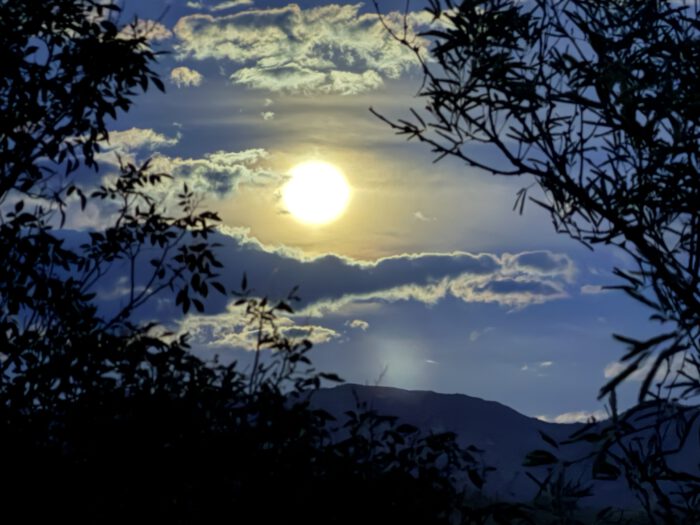
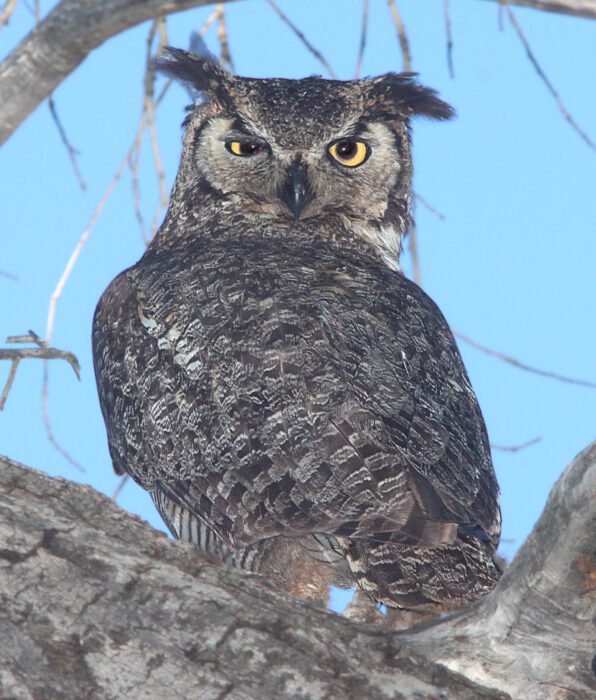
Starting at dusk, as daytime bird activity winds down, nocturnal species are just getting started. Both owls and nightjars bring the darkness to life with their haunting calls and shadowy forms. Great Horned Owls rule the night, given both their size and fierce disposition.
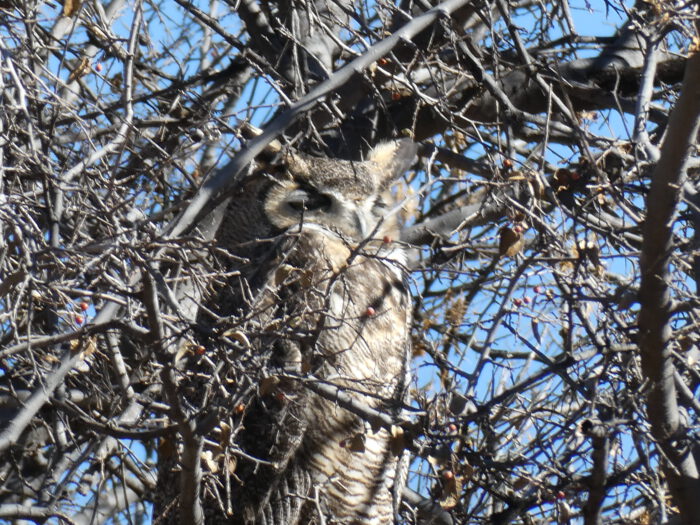
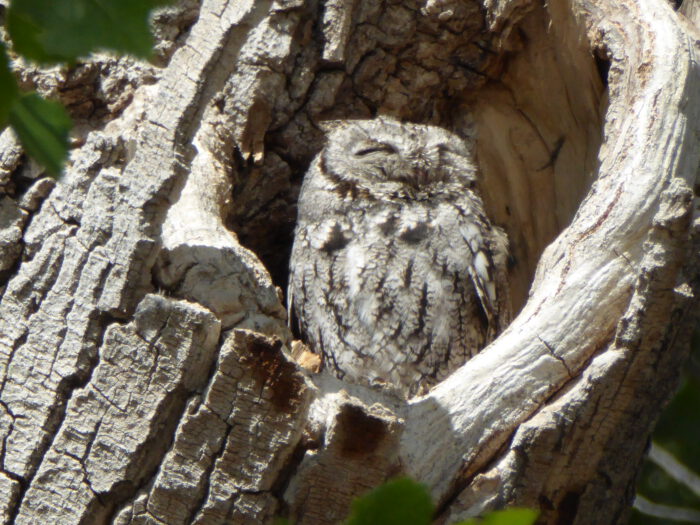
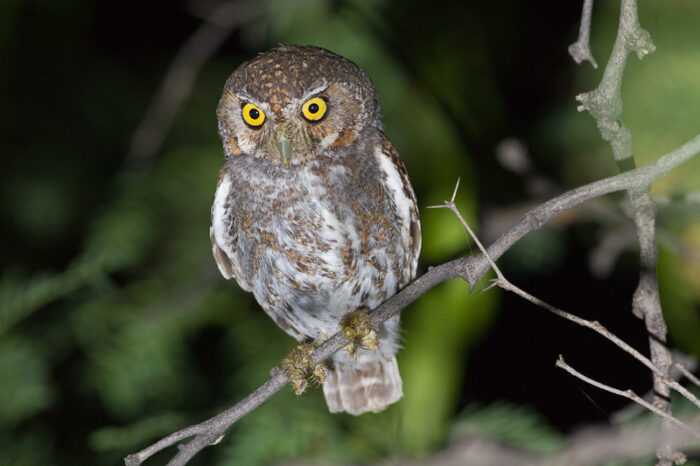
They begin courtship in December, filling the hours of darkness with their characteristic hoots. Wintering Long-eared Owls hunt small mammals, while trying to avoid becoming a meal for their larger cousins. Western Screech Owls also breed here, while Elf Owls – the world’s smallest Owl species – migrate through in spring and autumn.
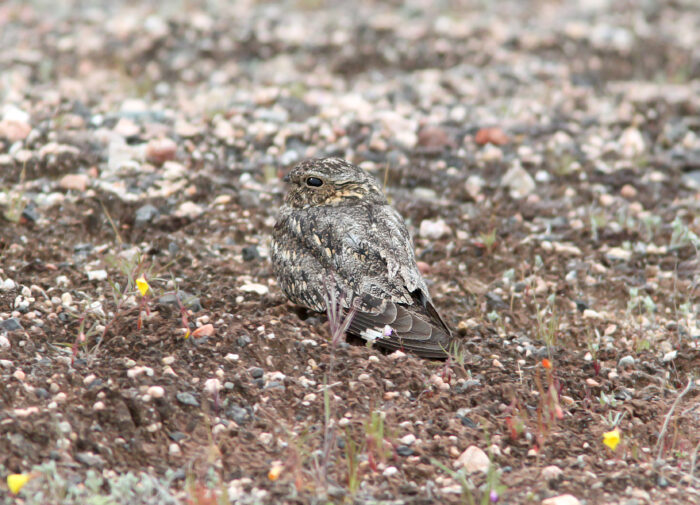
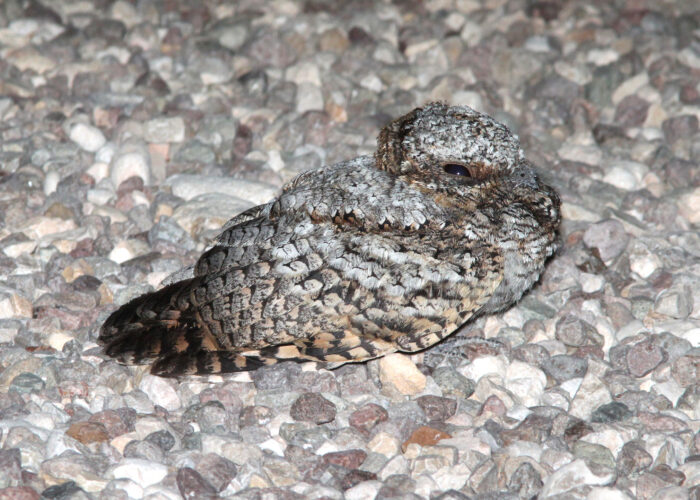
Meanwhile, Common Poorwills hunt from bare ground, sallying upward like a flycatcher to snag passing moths and other nighttime invertebrates. occasionally, birders spot a Lesser Nighthawk coursing low over both woodlands and grasslands as they hunt insects.
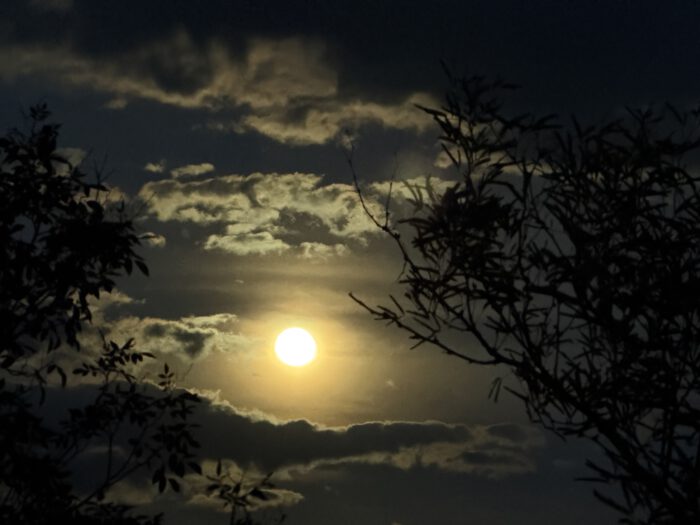
By full moon, even some diurnal birds animate evening birding at Raven’s Nest Nature Sanctuary. Vermillion Flycatchers and Northern Mockingbirds are among the species that sometimes sing by lunar light.
Amazing Sky Islands Birding around the House
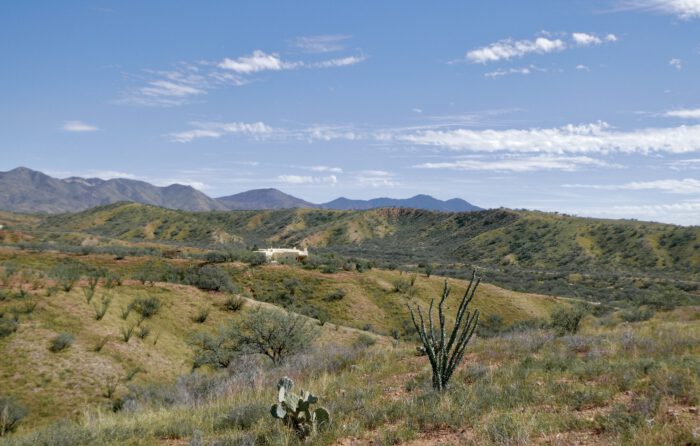
Given its varied native habitats, unique avian biodiversity, numerous and well-placed wildlife ponds, strategic geographic location, healthy watershed, ideal elevation, 42-acre size, as well as its luxury infrastructure Raven’s Nest Nature Sanctuary truly is a birder’s paradise.
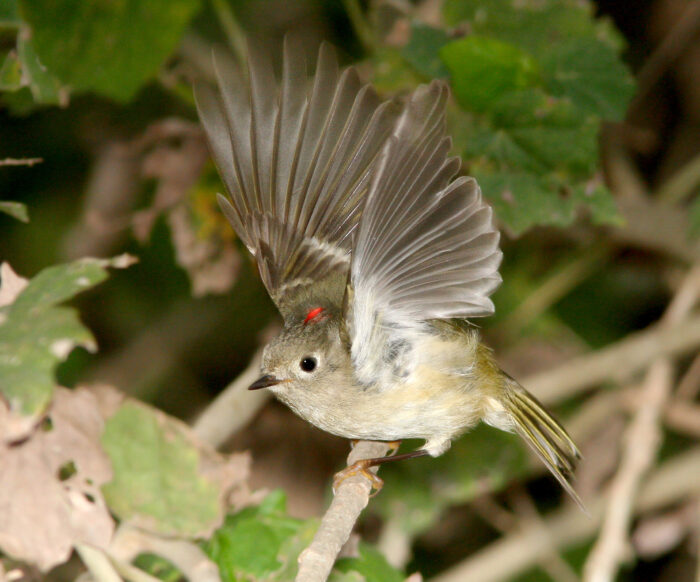
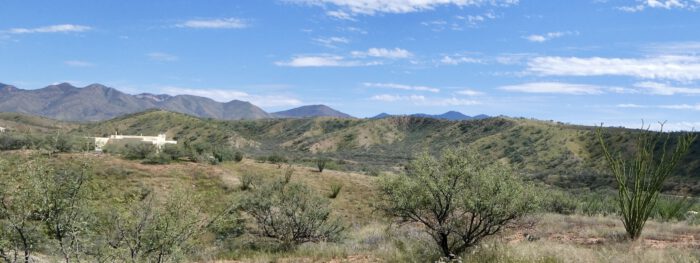
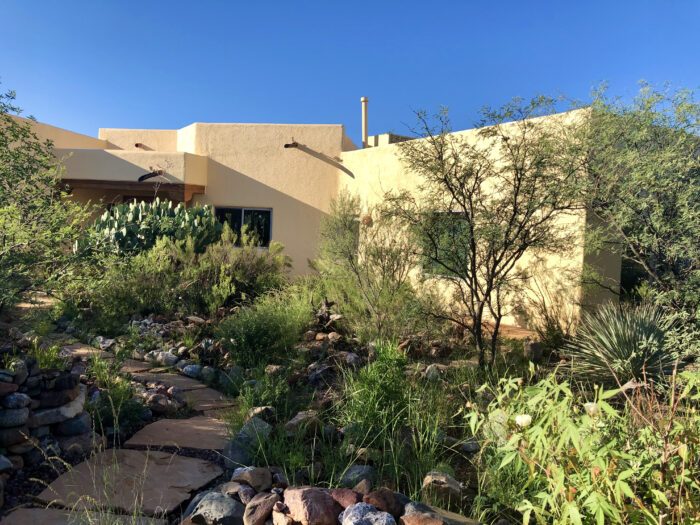
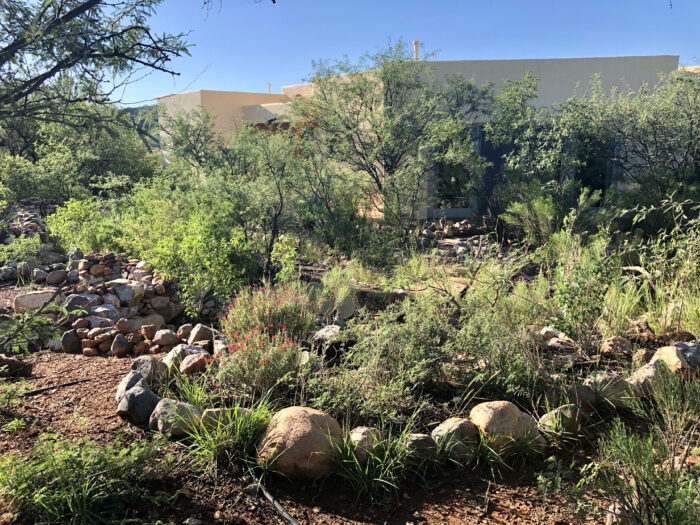
One of the best places to observe many bird species at Raven’s Nest Nature Sanctuary is from its Southwestern House. Given the extensive wildlife habitat restoration strategies implemented around its perimeter since 2008, the return of wildlife – including many birds species – has been spectacular.
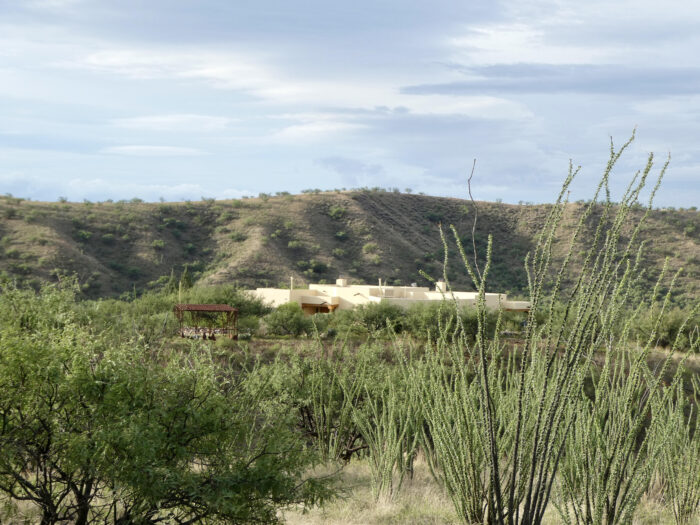
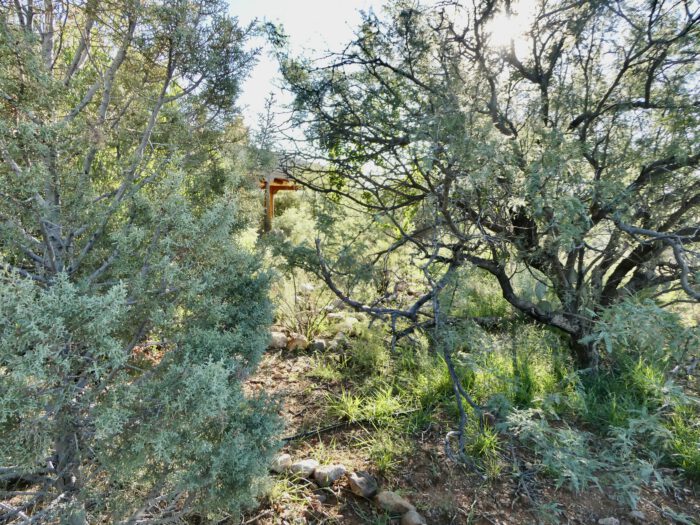
Barren ground has been replaced by a multi-layered woodland and xeriscaped habitat. Given its extensive covered porches, and numerous native trees, world-class birding can be enjoyed from the luxury of shade.
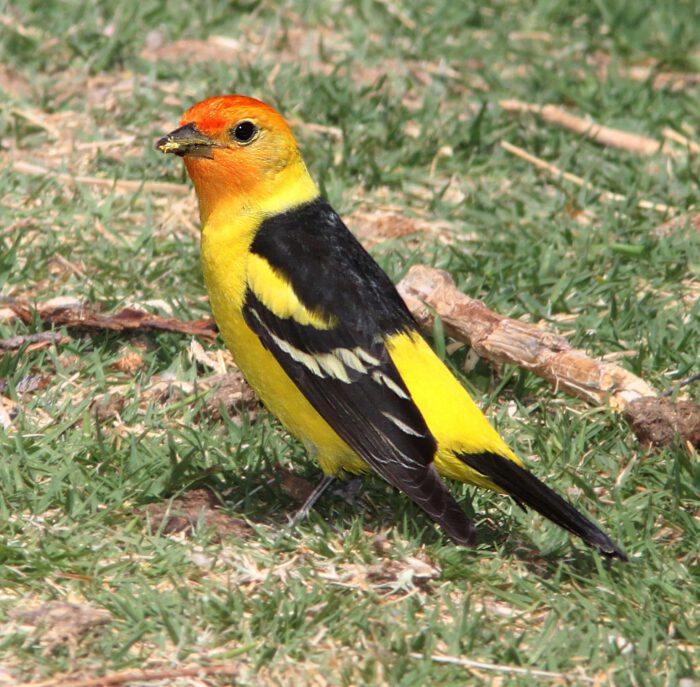
Just in the rich native habitat surrounding the house, such memorable species such as Montezuma Quail, Golden Eagle, Zone-tailed Hawk, Gray Hawk, Greater Roadrunner, Violet-crowned Hummingbird, Northern Beardless Tyrranulet, Woodhouse’s Scrub Jay, Cactus Wren, MacGillivray’s Warbler, Western Tanager, Green-tailed Towhee, Pyrrhuloxia, Hooded Oriole, and Lawrence’s Goldfinch have been spotted along with many others.
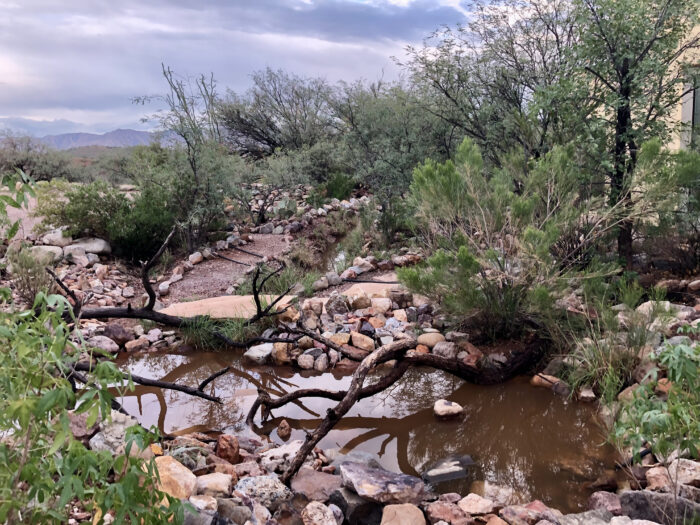
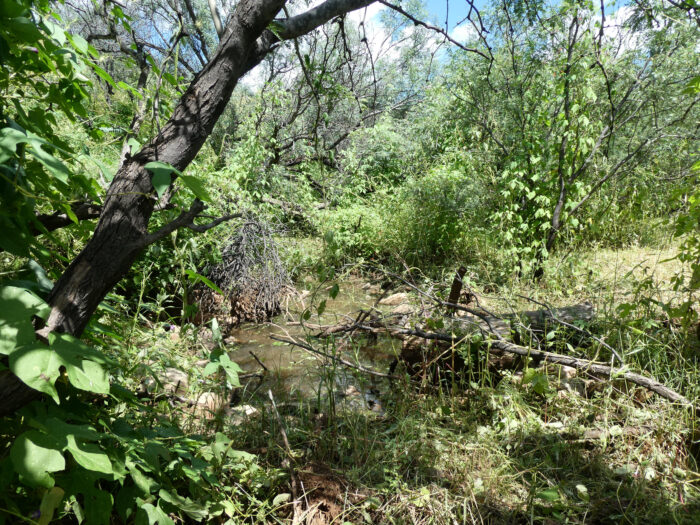
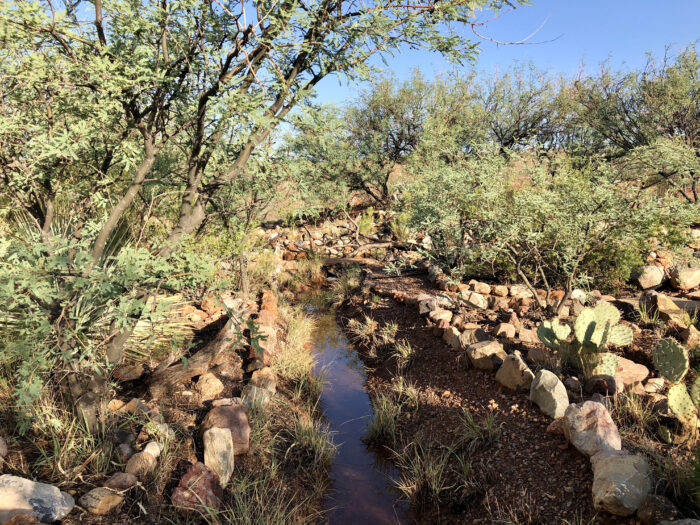
One of the most outstanding bird habitat features is its wildlife ponds. Given the general scarcity of natural water sources in the American Southwest, ponds naturally lure in a wide variety of bird species. They come to both drink and bath, all-the-while leery of lurking hawks, falcons, and shrikes.
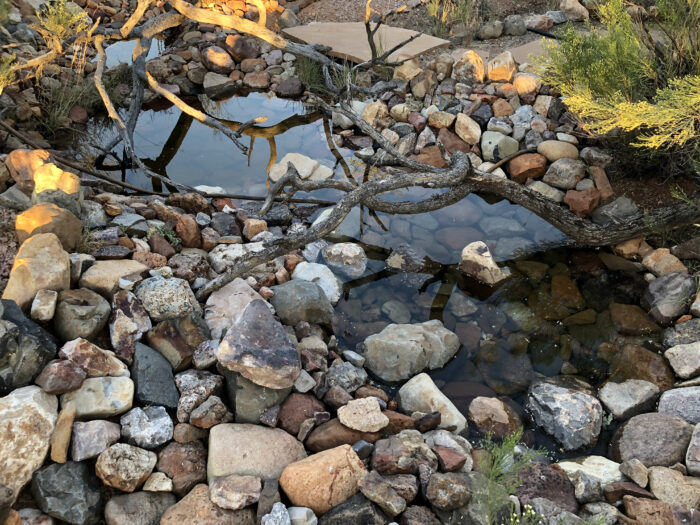
Spending time observing the ebb and flow of birds at one of several wildlife ponds by the house is always a rewarding experience. Even riparian species, such as Black Phoebe, have patronized them.
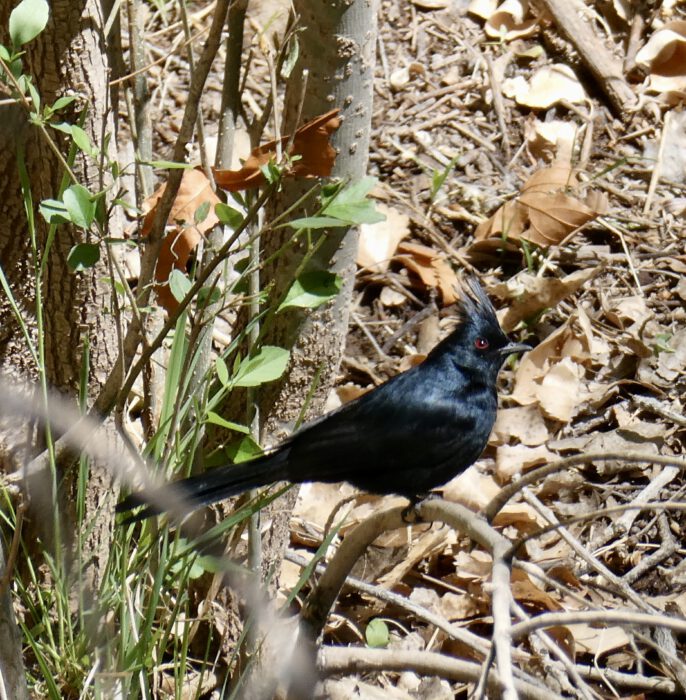
Attracted by the diverse native seeds, fruits, and invertebrate prey, a multitude of bird species flock to the rich habitat surrounding the house. Shimmering Phainopeplas savor the fruit of Spiny Hackberry, while various woodpecker species greedily consume those of Arizona Grape Vine. Flowering Evergreen Sumac and other blooming species always prove a boon for insectivorous birds, such as warblers. Even the porches themselves draw in select birds, such as Say’s Phoebe, Canyon Towhee, Greater Roadrunner, and Curve-billed Thrasher.
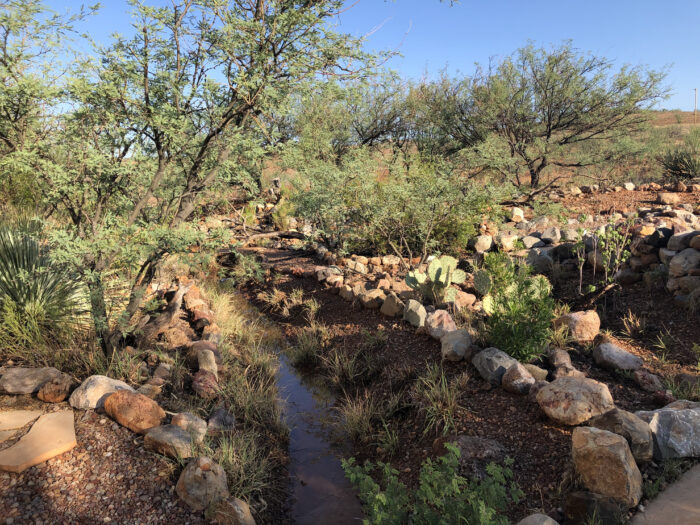
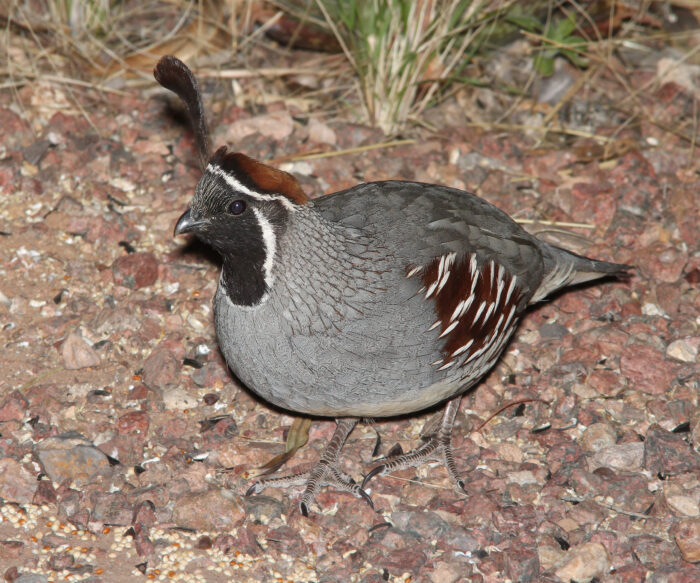
In summer families of Gambel’s Quail scurry around the dense thickets near the house, where they find both food and crucial protective cover. Less often, secretive Montezuma Quail are spotted. In one instance, a Cooper’s Hawk was seen from the kitchen window predating a Montezuma Quail!
Our Nature Sanctuary Raven’s!
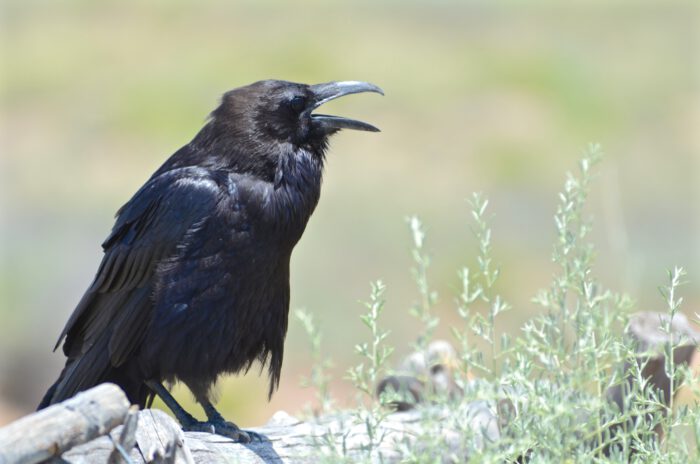
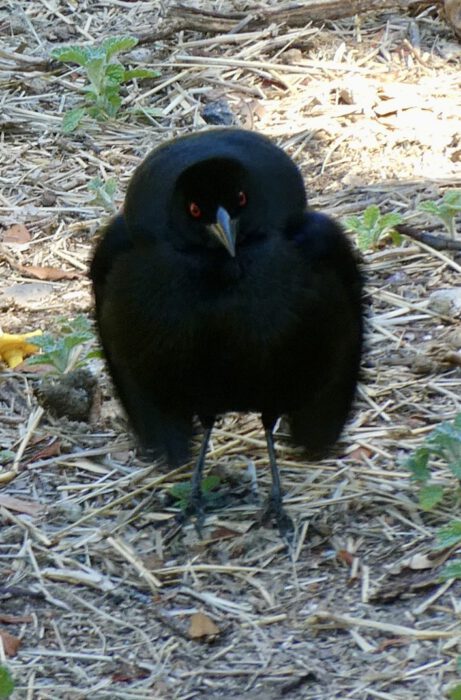
Since March 2008, we have been privileged to witness the yearly antics of the breeding pair of Common Raven’s at their namesake Nature Sanctuary. The pair typically raise 2 – 3 young, which frequently announce their hunger with raucous calls from the nest.
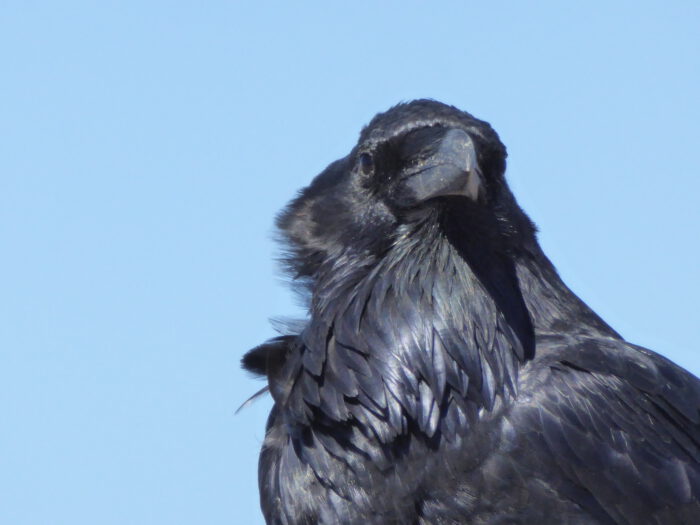
Once fledged, they quickly learn the do’s and don’t’s from their watchful parents – assessing dangers, food sources, and other nuances of their habitat. All of our local breeding ravens have been quick to realize the value of the restored native habitat around the Southwestern House and beyond.
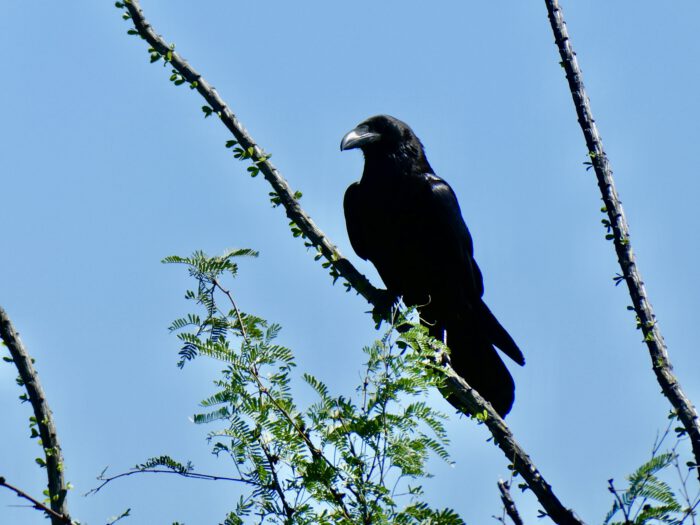
They fully take advantage of various wildlife ponds, tree snags, and other habitat features. One adult even gave a dead-on imitation of a Bullfrog while perched atop the roof – proving that this individual frequented nearby Patagonia Lake!
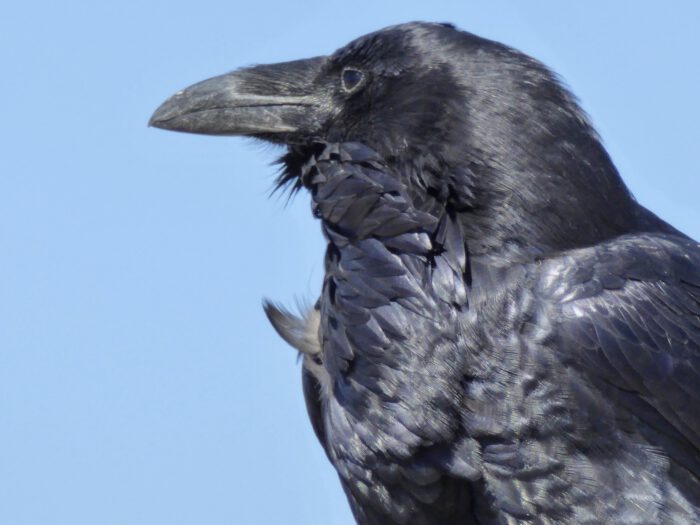
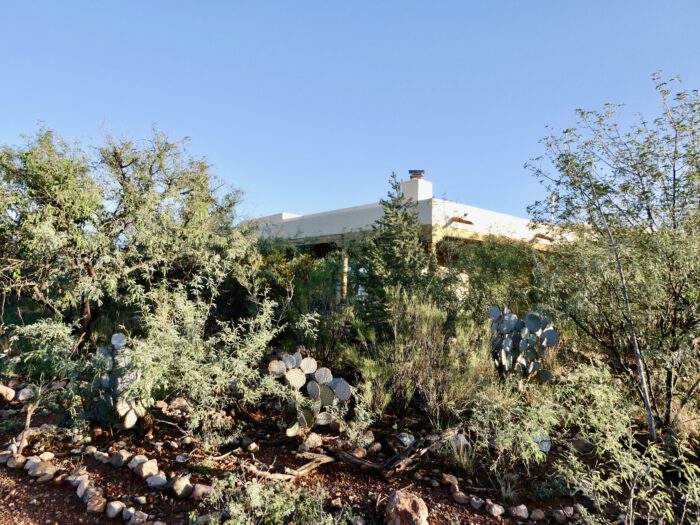
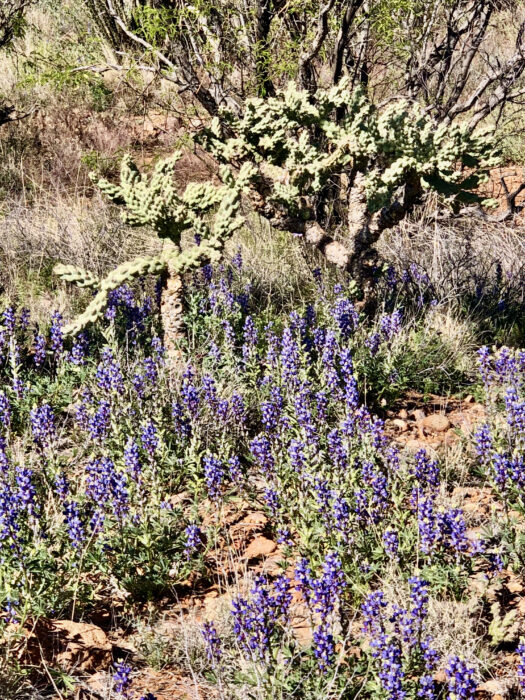

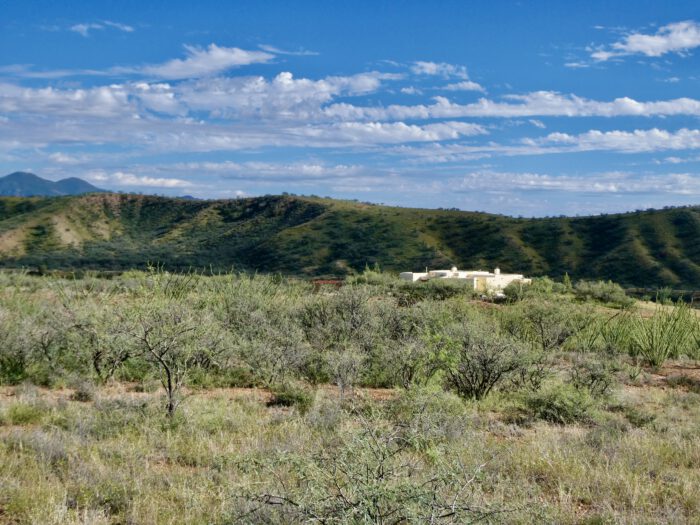
Set amidst the greater ecological context of the Sky Islands region, watchful birders can expect almost anything to show up by the house – such is the diversity of habitats both within Raven’s Nest Nature Sanctuary and nearby. Each year, new species are added to the ever-growing Bird List at the preserve.

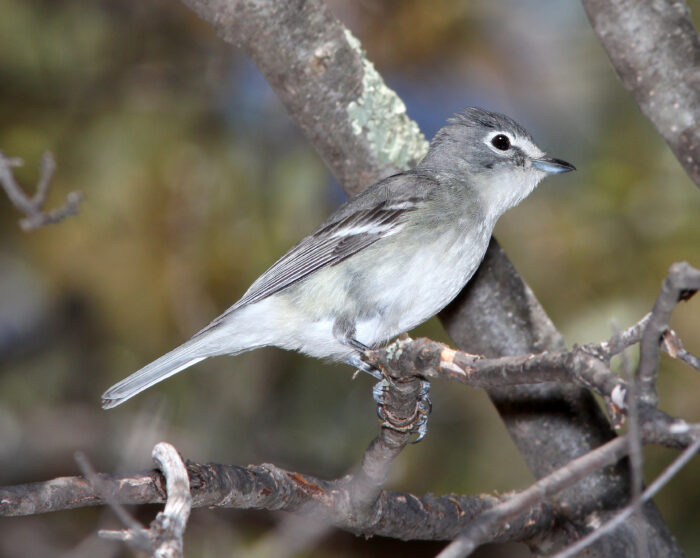
Birding Highlights at Raven’s Nest since 2008
Black-bellied Whistling Duck
Snow Goose
Black Vulture
Golden Eagle
Osprey
Gray Hawk
Zone-tailed Hawk
Swainson’s Hawk
Peregrine Falcon
Montezuma Quail
Gambel’s Quail
Inca Dove
Common Ground Dove
Greater Roadrunner
Yellow-billed Cuckoo
Western Screech Owl
Elf Owl
Lesser Nighthawk
Violet-crowned Hummingbird
Broad-billed Hummingbird
Elegant Trogon
Gila Woodpecker
Northern Beardless Tyrannulet
Vermillion Flycatcher
Brown-crested Flycatcher
Dusky-capped Flycatcher
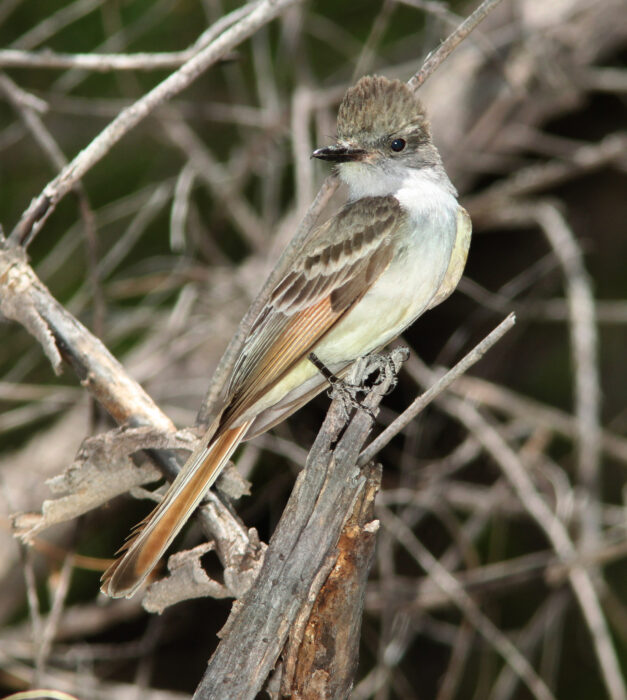
Cassin’s Kingbird
Thick-billed Kingbird
Woodhouse’s Scrub Jay
Chihuahuan Raven
Bell’s Vireo
Yellow-throated Vireo
Bridled Titmouse
Cactus Wren
Black-tailed Gnatcatcher
Verdin
Crissal Thrasher
Curve-billed Thrasher
Phainopepla
Lucy’s Warbler
Virginia’s Warbler
Hermit Warbler
Townsend’s Warbler
Pyrrhuloxia
Varied Bunting
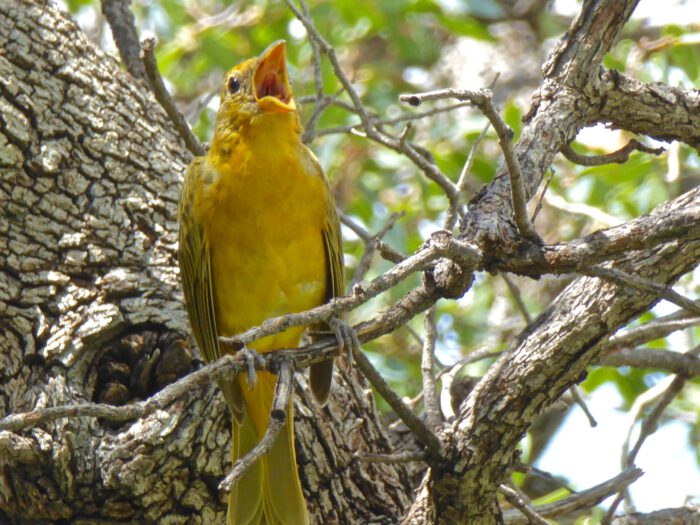
Summer Tanager
Canyon Towhee
Rufous-winged Sparrow
Botteri’s Sparrow
Cassin’s Sparrow
Black-throated Sparrow
Lark BuntingScott’s Oriole
Bronzed Cowbird
Lawrence’s Goldfinch
Cassin’s Finch
2008 – Habitat Restoration at the Southwestern House
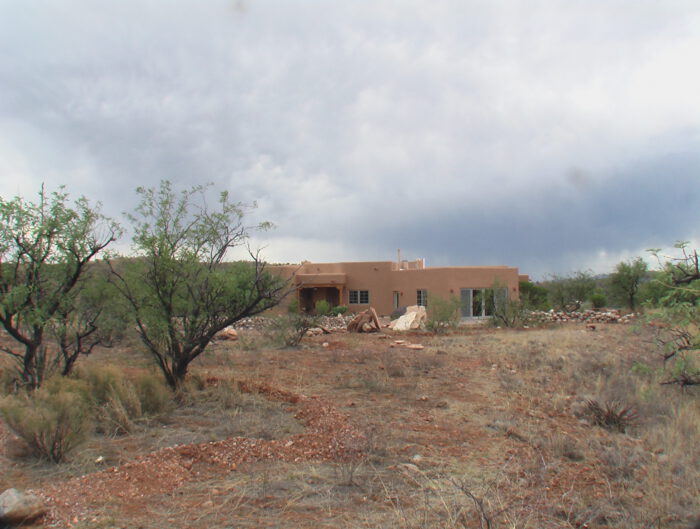
After purchasing their 42 acres in March of 2008 Vincent and Claudia set about creating critical wildlife habitat all around their house and in all quarters of their newly established Raven’s Nest Nature Sanctuary. One key area for habitat creation was in a large swath surrounding their house. Here, only a few lonely Mesquite trees loomed over an otherwise denuded landscape that was decidedly wildlife unfriendly.
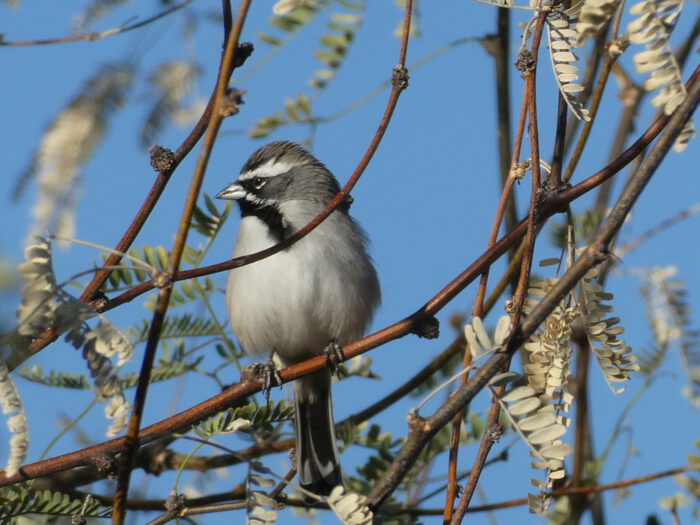
Looking to swiftly transform the land surrounding the house into a true wildlife haven, Claudia and Vincent planted hundreds of individual plants of dozens of native species. They mainly focused on woody plants – native trees, shrubs, and vines – in their rehabilitation project, lovingly planting each one.
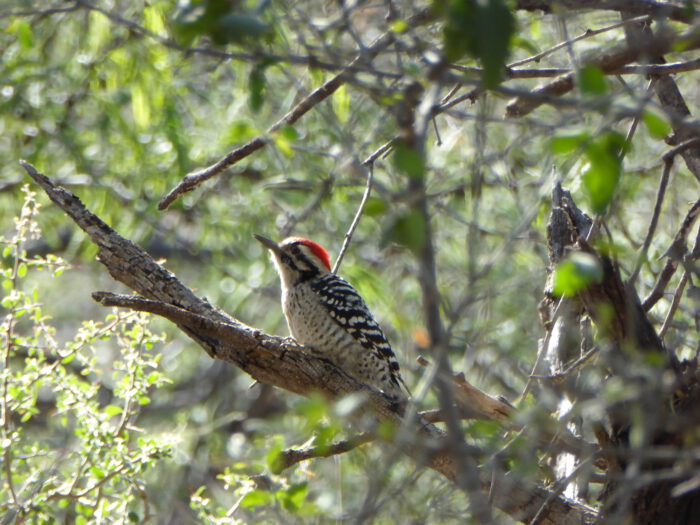
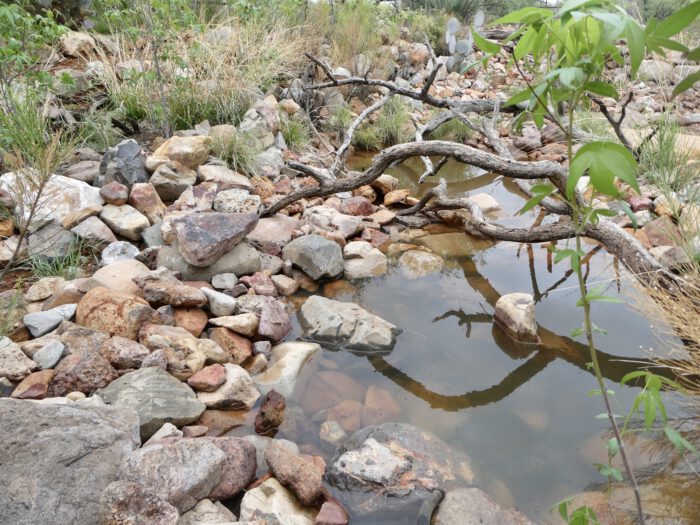
Additionally, they created an initial water feature, Reflection Pools – a double wildlife pond set outside what was formerly a garage, but which is now a beautiful den. Feeding the pools are several strategically located canals, which efficiently funnel water from the house’s scuppers – artistically extended with copper as part of the habitat restoration project. Now, as of 2026, the system works to perfection, allowing water to not only fill Reflection pools, but also to gradually sink into the ground. This deep penetration greatly benefits the dense native landscaping near the ponds.
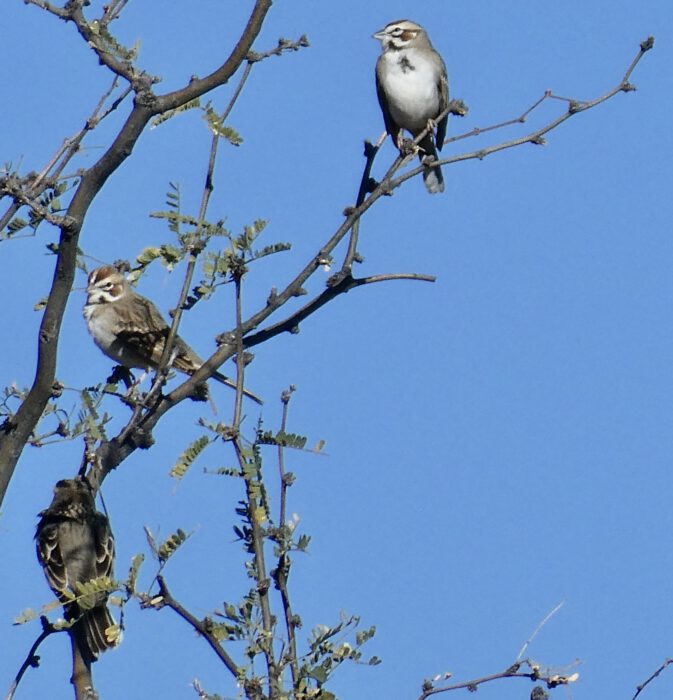
Meanwhile, the pools themselves have proven to be a wildlife and bird magnet. Many dozens of bird species have frequented the ponds over the years, drinking and bathing in its pure waters. Families of Gambel’s Quail, boldly marked Lark Sparrows, colorful Western Tanagers, animated Greater Roadrunners, and hungry Cooper’s Hawks are but a few of the species that have graced the pools, situated just a few dozen feet outside of the house. What was formerly a moonscape has now been transformed into vital habitat, supporting Sky Islands biodiversity.
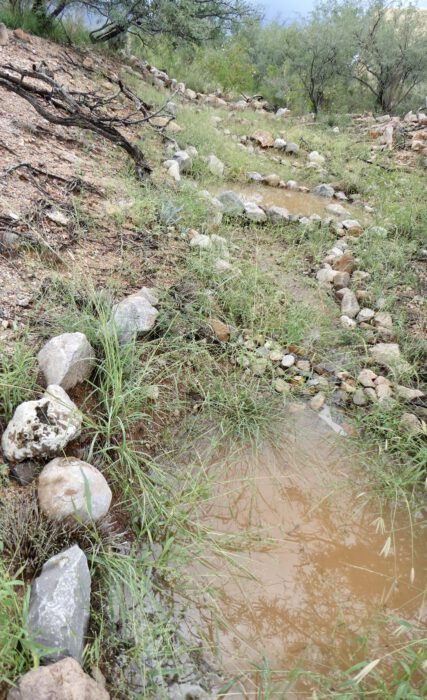
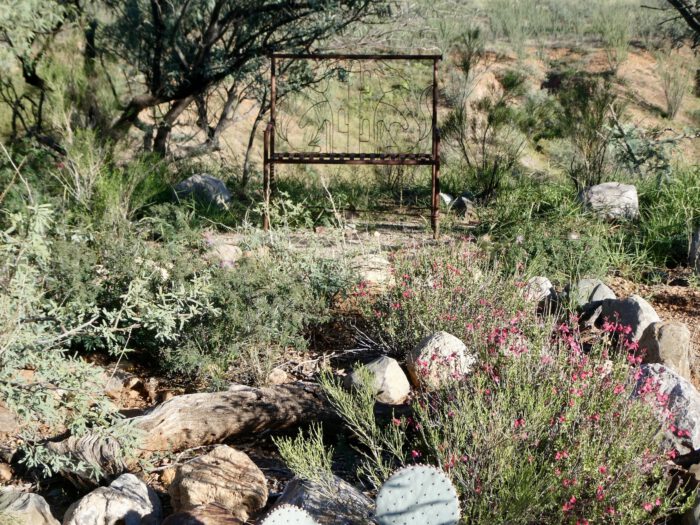
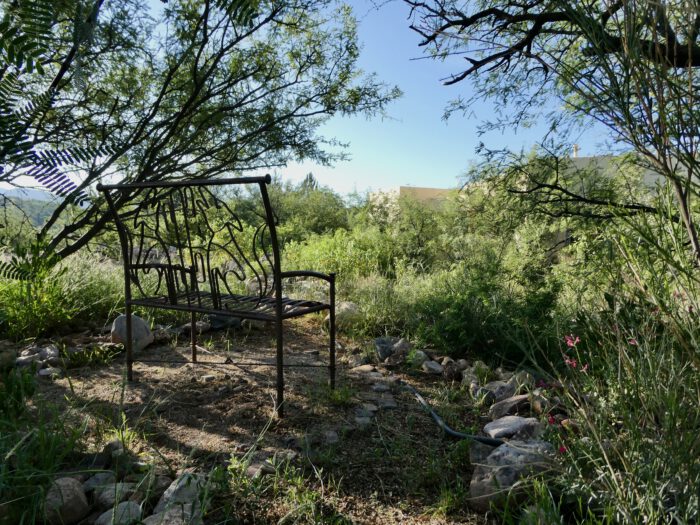
When the pools fill during larger rains, the runoff feeds four additional swales – passive rainwater harvesting features that have brought the surrounding ground back to life with native vegetation. A xeriscaped garden with a wrought-iron bench sits above reflection pools, allowing you to easily observe birds and other wildlife at your leisure.
Crystal Nebula Pond, located in the backyard of the house, was added in September 2026 to further enhance wildlife habitat. Almost immediately, it lured in mixed flocks of birds. The very first group to visit it consisted of Black-throated Sparrows, Lark Sparrows, House Finches, and a male Ladder-backed Woodpecker. Along with the other habitats and water features atRaven’s Nest Nature Sanctuary Raven’s Nest, the local wildlife as well as both resident and migrating birds have learned to count on the critical food, cover, and water resources at the preserve.