CONSERVATION PRACTICES AT RAVEN’S NEST
Habitat Restoration

For nearly 2 decades professional Ethnobotanist, Wildlife Biologist, Naturalist and Conservationist Vincent Pinto designed and implemented a hands-on Ecological Restoration Strategy at Raven’s Nest Nature Sanctuary . Thus Vincent committed himself to restoring degraded habitats and promoting land conservation. The rewarding result – healthy habitats throughout the 42-acre Nature Preserve – will endure for the foreseeable future given the inherent resiliency of various native plants and their associated wildlife.
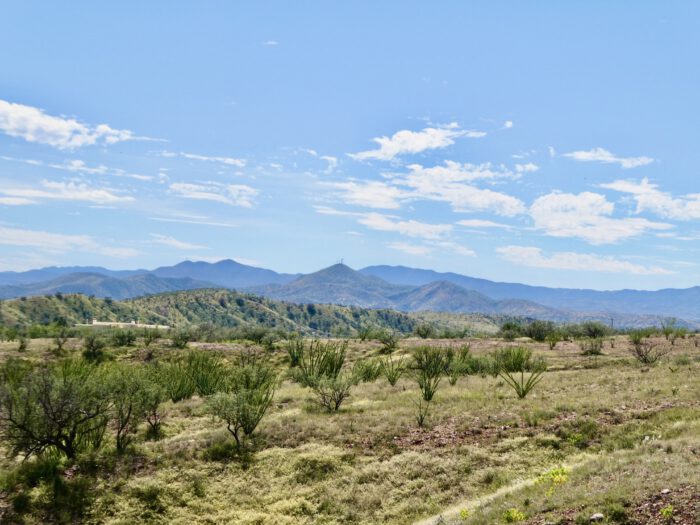
Upon arrival in March 2008, Vincent’s relentless determination led to an overall rehabilitation strategy of the land, reestablishing a thriving ecosystem that supports high levels of biodiversity.
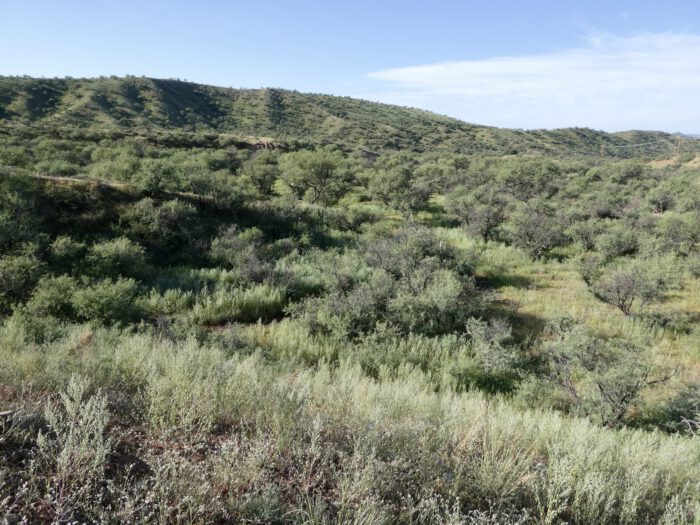
Leveraging Vincent’s intimate understanding of various plant species life-cycles and how they individually and collectively sustain diverse wildlife populations, all the Habitat Restoration initiatives led to a resounding success throughout the 42-acre Nature Preserve.
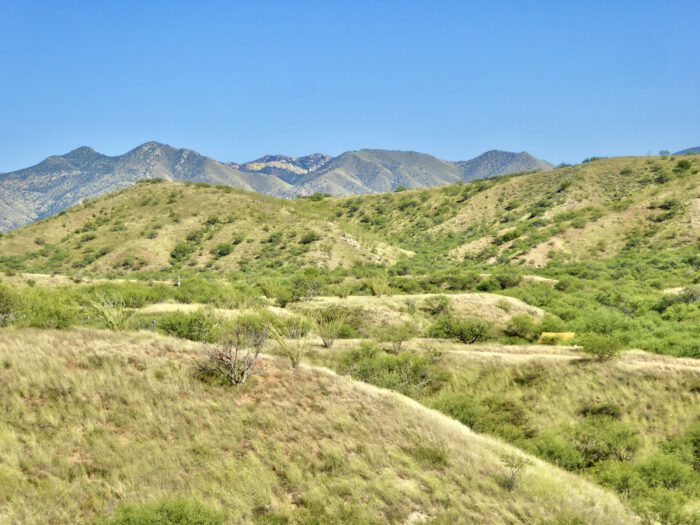
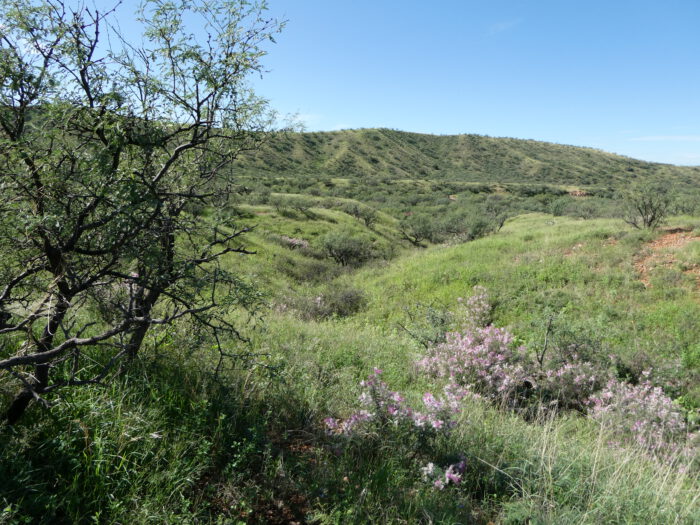
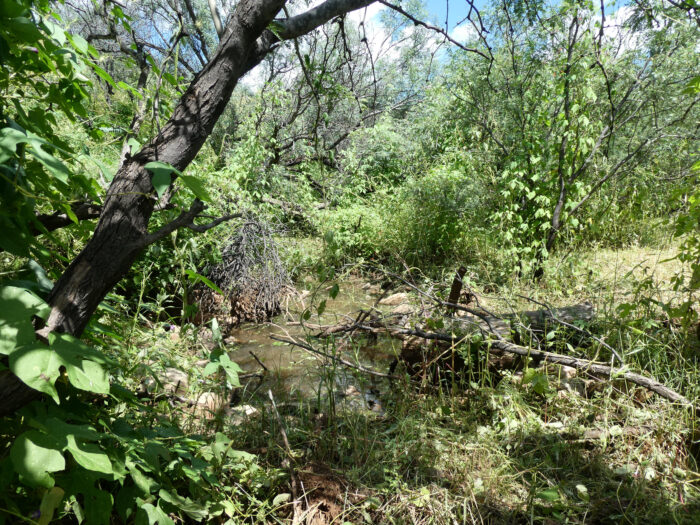
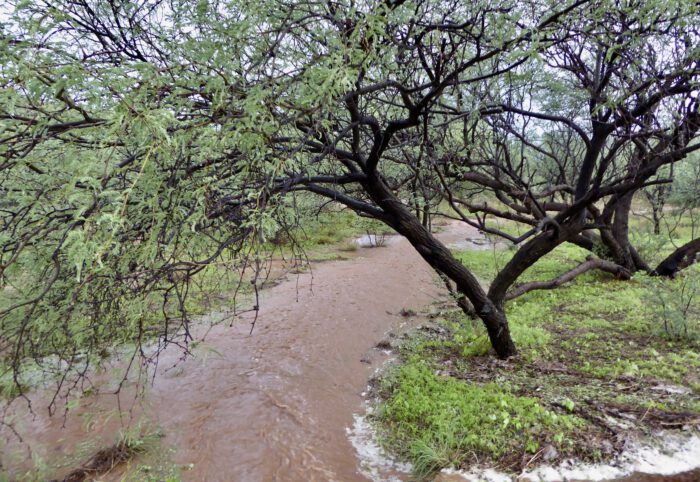
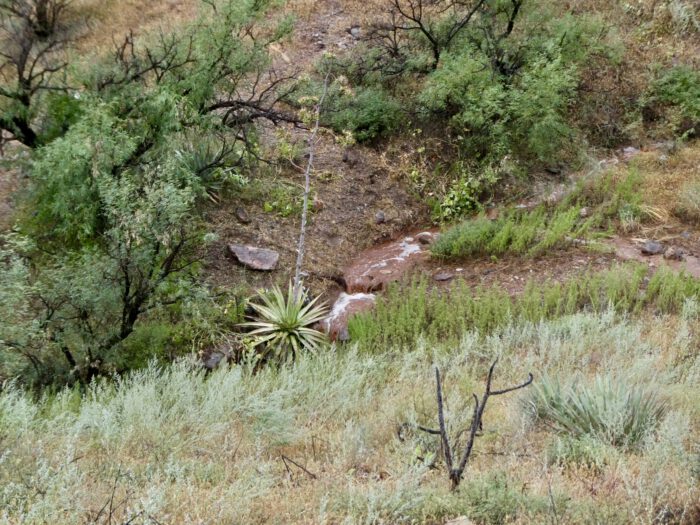
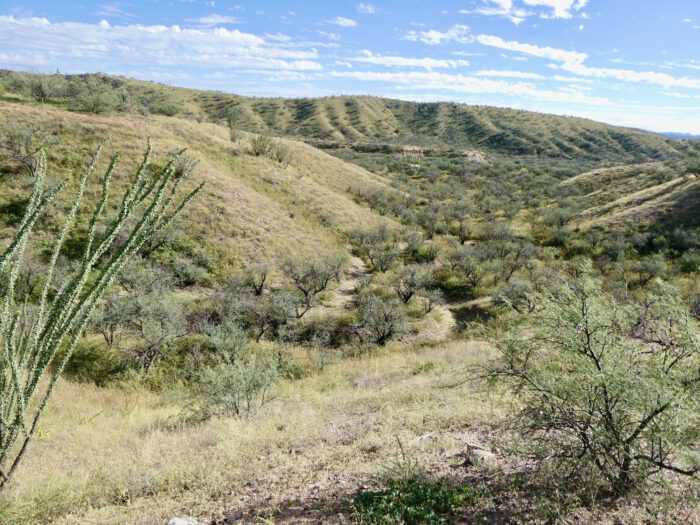
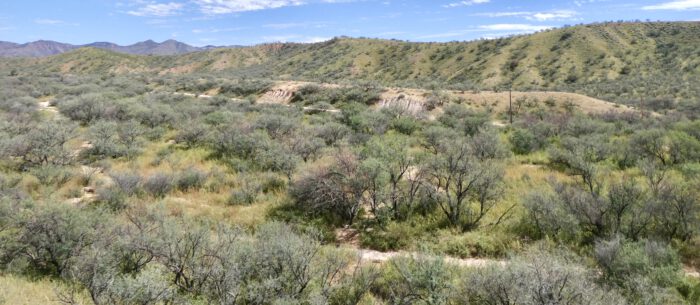
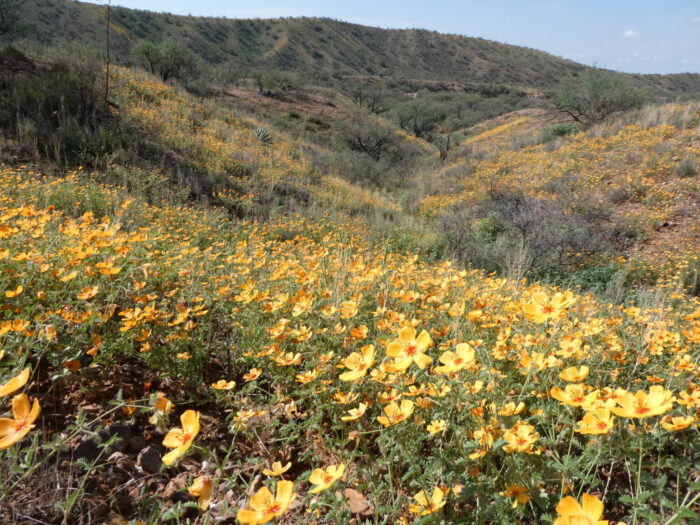
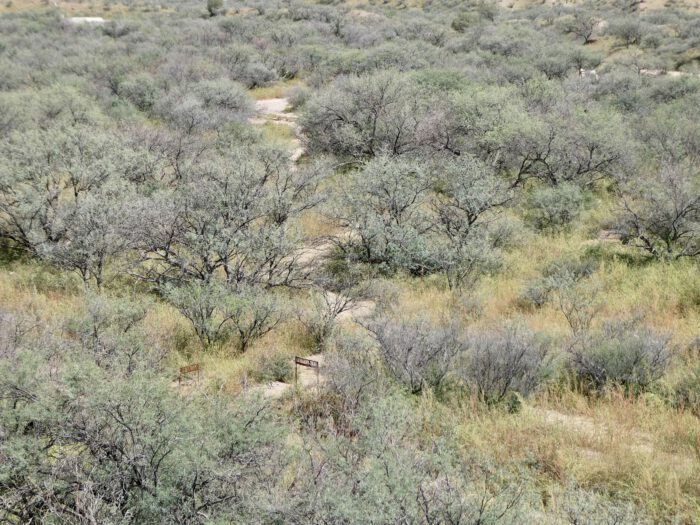
The 42-acre preserve contains a beautiful array of natural environments, each of which has benefitted by Vincent’s carefully designed and lovingly implemented land management practices.
Our habitats include:
- Velvet Mesquite & Catclaw Acacia Woodlands
- Native Grasslands
- Ocotillo Forests
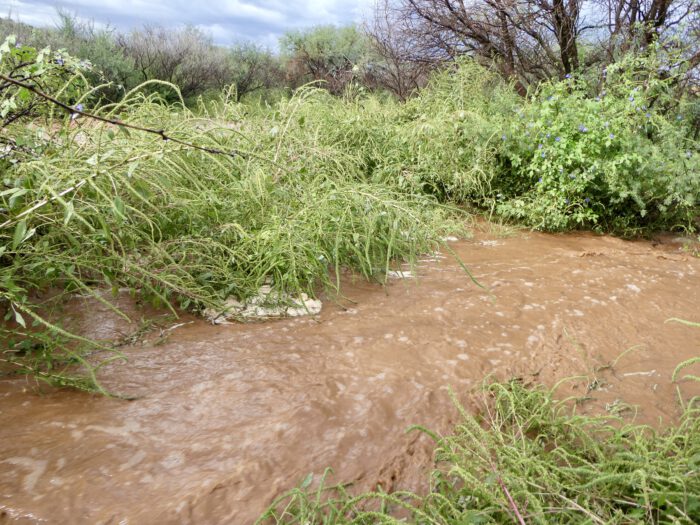
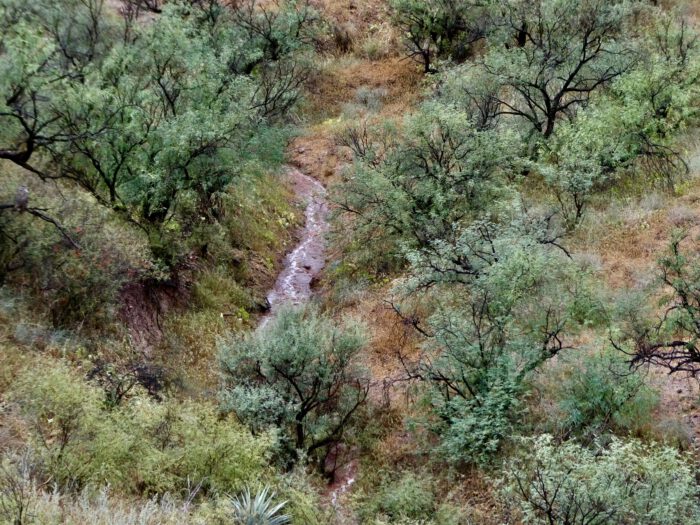
- Arroyos
- Canyons
- Wildlife Ponds





- Overall 42-acre Habitat Assessment
- Planning and Design for each different Habitat
- Implementation of interventions for each Habitat
- Ongoing Monitoring of results
- Continued Post-restoration Habitat Management
WILDLIFE PONDS
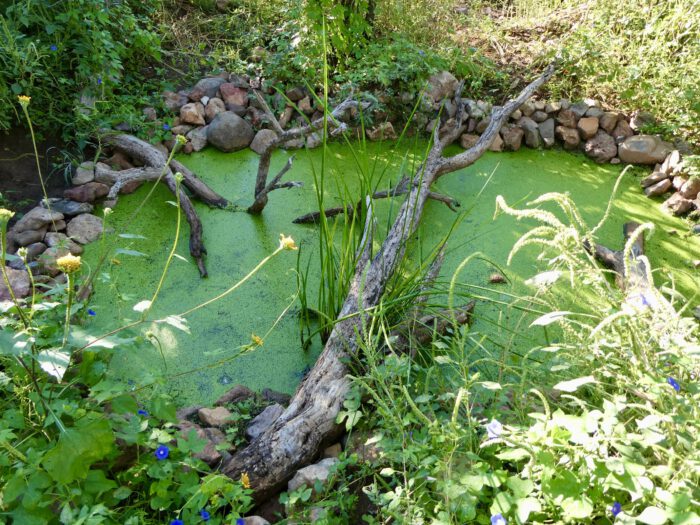
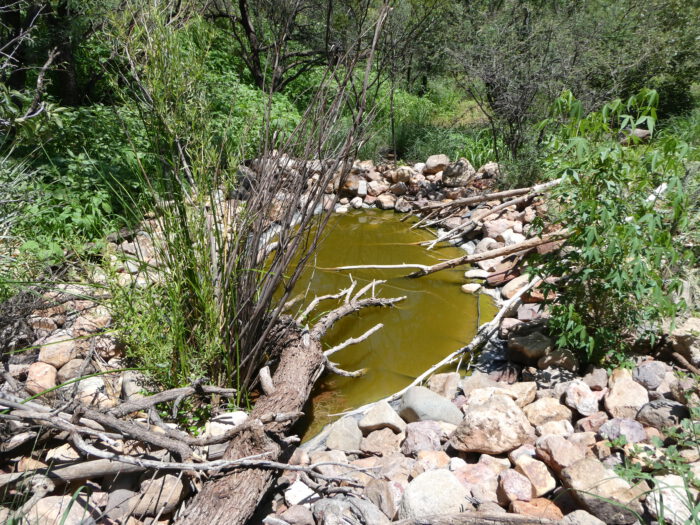
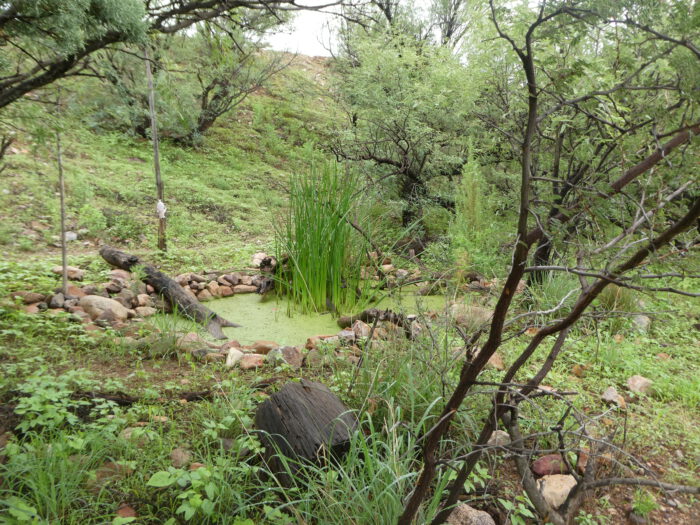
A rich aquatic environment thrives in each pond. Native wetland plants such as Duckweed and Giant Sedge support a rich array of aquatic invertebrates including Water Boatmen, various species of Diving Beetle, the larvae and adults of Dragonflies and Damselflies, native Snails, and many other species. Birds flock to the ponds, not only to drink and bath, but also to consume the many invertebrates concentrated in their vicinity. Lizards and snakes often sun themselves on the fringe of rocks surrounding each pond, further adding to their enchanting aspect.
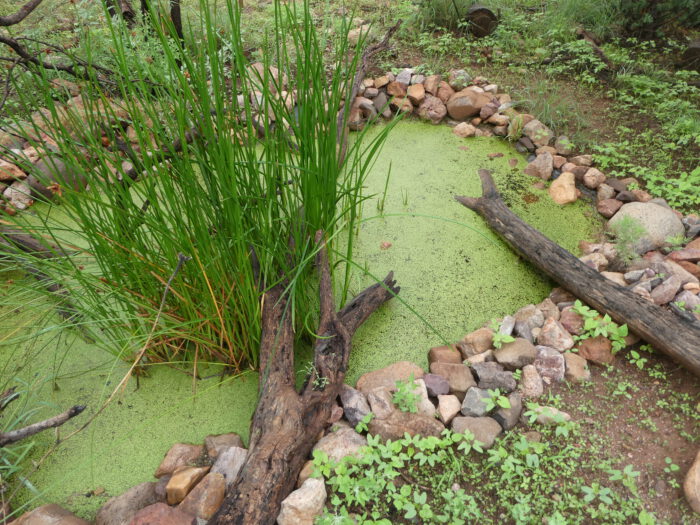


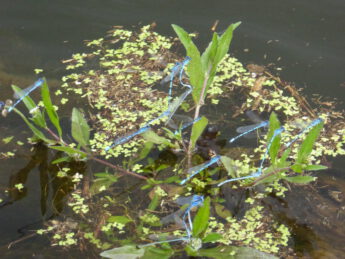

Whitetail Deer, Collared Peccary, threatened Yellow-billed Cuckoos, Gray Hawks, Common Gray Fox, various snakes, a veritable blitzkrieg of birds, and many butterflies are a mere sampling of the species benefitting from these crucial sources of water. Our remote wildlife cameras often capture these species as they visit our ponds. They are a true nexus of life here at the sanctuary!


PLANTING NATIVE TREES
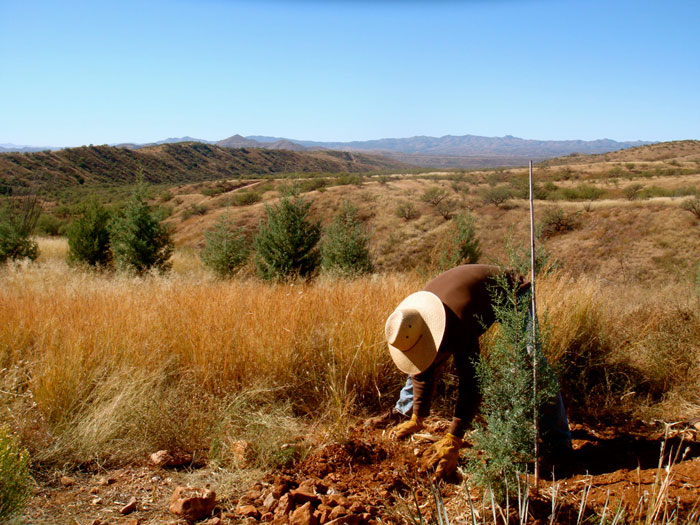
OUR TREE CHOICES & BENEFITS TO WILDLIFE
| SPECIES | EVERGREEN | FRUIT | NECTAR/SAP | SEEDS/NUTS | SHELTER |
| ARIZONA CYPRESS (Cupressus arizonica) |
X | X | X | ||
| ARIZONA JUNIPER (Juniperus arizonica) | X | X | X | ||
| EMORY OAK (Quercus emoryii) |
X | X | X | X | |
| SCRUB OAK (Quercus turbinella) |
X | X | X | X | |
| VELVET ASH (Fraxinus velutina) |
X | X | X | ||
| ARIZONA ROSEWOOD (Vaquelinia californica) |
X | X | X | X | |
| EVERGREEN SUMACH (Rhus choriophylla) |
X | X | X | X | X |
| DESERT WILLOW (Chilopsis linearis) |
X | X | X | ||
| YELLOW TRUMPET (Tecoma stans) |
X | X | X | ||
| MEXICAN ELDERBERRY (Sambucus mexicana) |
X | X | X | ||
| NETLEAF HACKBERRY (Celtis reticulata) |
X | X | X | ||
| WESTERN SOAPBERRY (Sapindus saponaria) | X | X |
 |
 |
 |
 |
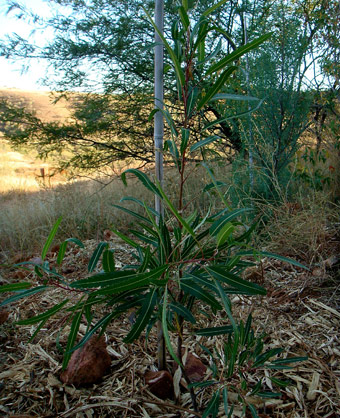
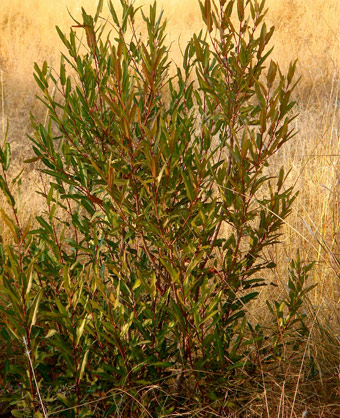
Top row: Medium Arizona Rosewood | Large AZ Rosewood
Bottom row: Medium Velvet Ash | Medium Arizona Cypress