
AT RAVEN’S NEST NATURE SANCUARY
Since March 18, 2008, Vincent and Claudia have been committed to preserving and protecting their private Nature Preserve. They were determined to create a Wildlife Sanctuary, conserving the world-class and unique Sky Islands Biodiversity at their 42-acre Nature Sanctuary. Their goals were to contribute to the environmental health of local wildlife populations and improve the overall ecological health of the region.

Since their arrival in 2008 they have been focused on promoting biodiversity at their strategic location in the heart of the Sky Islands. Their daily, hands-on ecological strategies include:
- Documenting species at Raven’s Nest via species lists, including birds, mammals, reptiles, amphibians, butterflies, and plants
- Habitat Restoration via native plantings, focused in key areas
- Removal of nonnative plant species, allowing the return of native flora
- Watershed restoration via a series of well-placed berms, swales, & small check dams
- Enhancing the land with rustic, eco-friendly facilities while benefiting wildlife and conserving precious water
- Creation of an ~ 6-mile Nature Trail system that allows access to every area of the preserve for continued ecological monitoring
- Overall adoption of a low-tech, hands-on approach to ecological restoration on the entire 42 acres

2008 ORIGINAL LANDSCAPE
After 8 long months of searching for just the right combination of house and acreage in the Sky Islands, in March 2008 it was clear to Vincent and Claudia that they had uncovered land with great ecological potential! Together, they have lovingly stewarded all of the 42 acres that have become their beloved Raven’s Nest Nature Sanctuary!
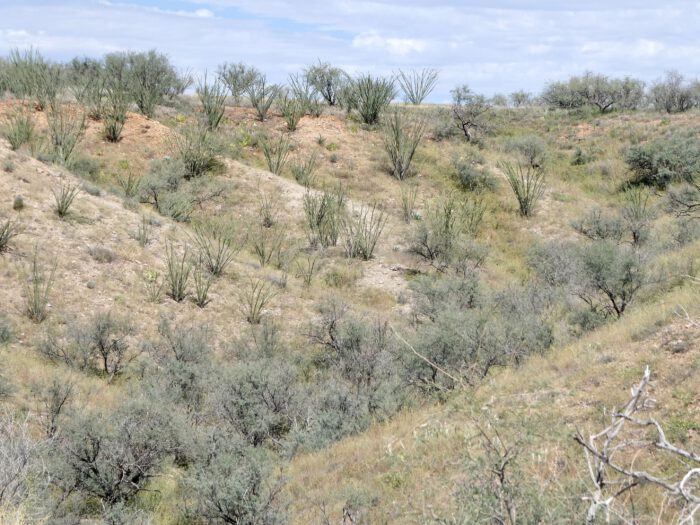
Vincent’s Ecological Restoration expertise in other parts of the Sky Islands enabled him to initiate habitat and watershed restoration. With the goal of supporting and restoring biodiversity, Vincnet documented the preserve’s species and formulated both habitat and watershed restoration plans for the preserve. He carefully marked out where to plant various native trees, shrubs and vines to augment the already high level of plant diversity at the sanctuary. Each rainstorm afforded him an opportunity to observe the flow and behavior of water in the complex series of arroyos that flow through Raven’s Nest. From that knowledge he then devised watershed restoration strategies, allowing water to once again spread out in the Velvet Mesquite and Catclaw Acacia woodlands of the preserve. Using only hands tools, he and his ecological volunteers painstakingly created the series of berms, swales, small check dams, and habitat islands that now allow a natural flow of water throughout Raven’s Nest.
A key factor when choosing this 42-acre property was the fence around the perimeter protecting the land from livestock. As of 2025, Raven’s Nest has been free from cows, horses, and other habitat-damaging livestock since the year 2000. However, the days of “fencing it and calling it a preserve” have long-since passed. Active ecological restoration work was needed, addressing years of not-so-benign neglect by the previous owners.
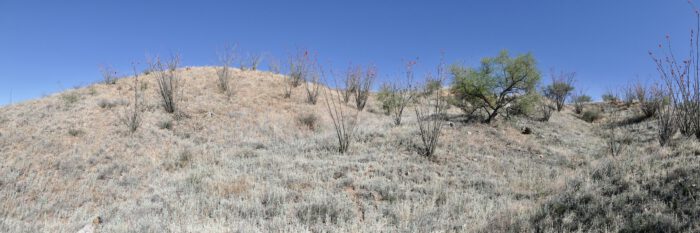
Realizing that habitat loss is a leading cause of species extinctions, Vincent from the onset committed to managing the land via the following principles:
- A “natives only” approach, where each native species of flora, fauna, and fungi is supported, while nonnative ones are removed.
- A low-tech approach to ecological restoration, where bulldozers and other heavy machinery were entirely avoided in favor of hand tools
- Conservation of all the precious natural resources where no natural material is ever wasted or thrown in the trash – all are repurposed to benefit local biodiversity
- A “Nature first” mentality that questioned how every decision that would impact the land – Do I really need to do this? Will it benefit the land? What is the most eco-friendly way of accomplishing this task? etc…
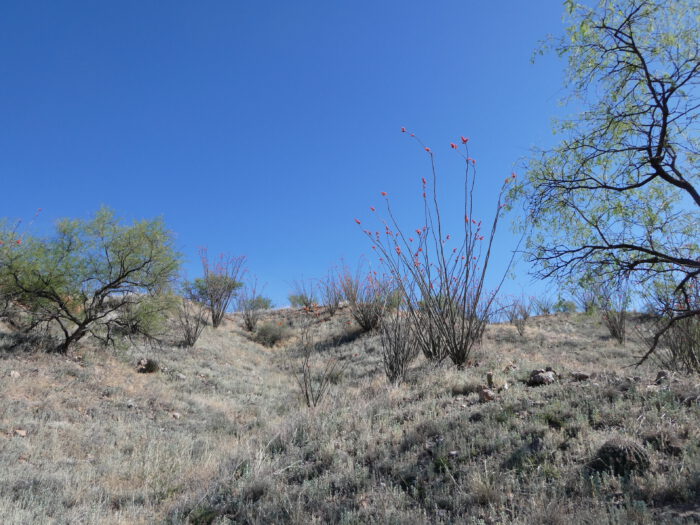
Over the years the nuanced ecological management strategies implemented at the preserve have led to a profound transformation and recovery of the diverse habitats throughout the 42 acres at Raven’s Nest Nature Sanctuary
Vincent’s ongoing Ecological Restoration initiatives include:
- Invasive / Non-native Plant Species Removal
- Revegetation of disturbed areas with diverse, useful and edible native plant species
- A focus on planting woody vegetation – trees, shrubs, and vines – to build a foundation for habitat restoration
- Planting species that naturally grow at the preserve or nearby, helping to ensure their viability
- Clustering planted species in “islands” to maximize the benefit to wildlife and to minimize water usage
- Incorporation of Organic Orchards and Organic Gardens into the native vegetation via Permaculture design
- Watershed Restoration via berms, swales, check dams, and habitat islands
- Erosion control using fuel removed from woody species, as well as dead nonnative plants
- Establishing wildlife corridors through native planting that provide food, cover, and nesting/reproductive opportunities
- Wildlife pond design and creation to support aquatic species and those requiring a riparian habitat component
- Total exclusion of livestock and pets from the 42 acres, given the large disturbances they create in the land – overgrazing, predationand disturbances by cats and dogs on native wildlife, auditory disturbances caused by dogs…
- Passive and active Rain-water Harvesting to support native plant species
- “Firewise” landscape management via fuel reduction and repurposing of wood and brush as mulch and wildlife habitat
Invasive / Non-native Plant Species Removal
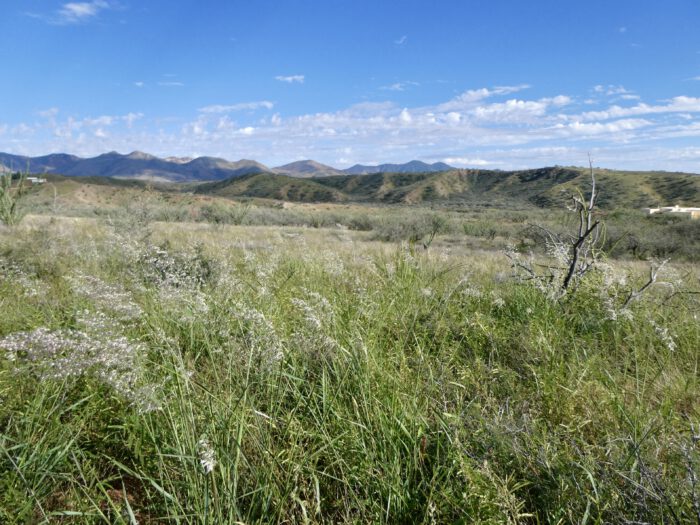
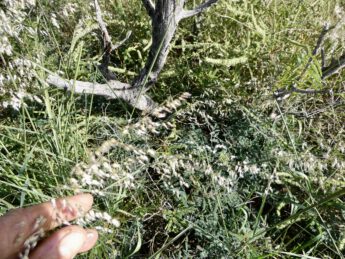
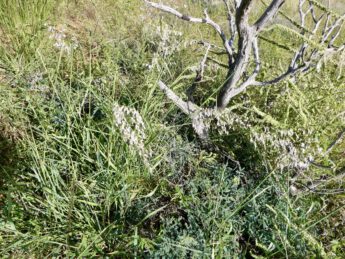
Since his arrival on March 18, 2008, Vincent made a long-term commitment to try to eradicate any nonnative plants via ecologically friendly practices – hand-pulling most species in particular and using them as mulch for native species. Simultaneously, he planted hundreds of native plants of dozens of local species – particularly trees, shrubs, succulents, and vines – around the house, the Sky Islands Discovery Center, the Sky Islands Safari Camp, and other structures. Some of these species are now reproducing and spreading via seeds or cloning, further enriching the local habitats.
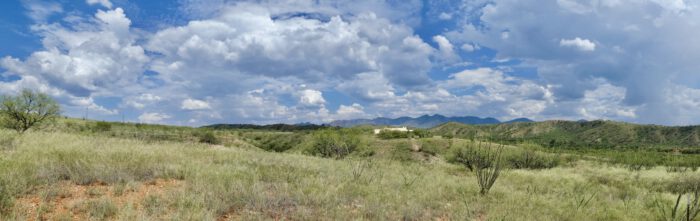
Landscape Restoration – 2026
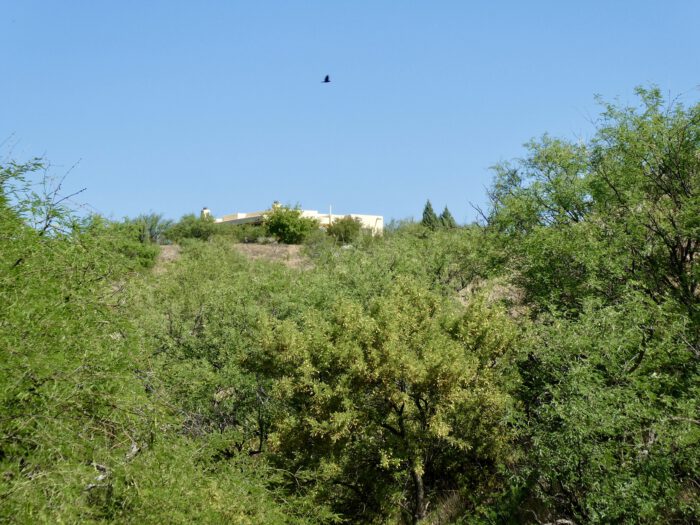
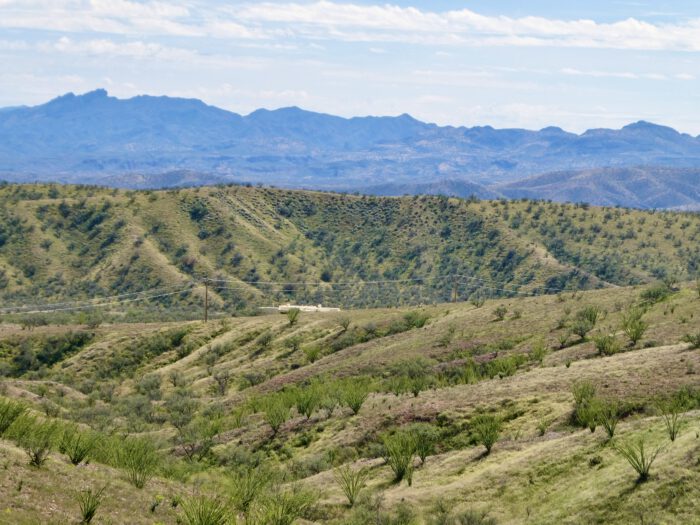
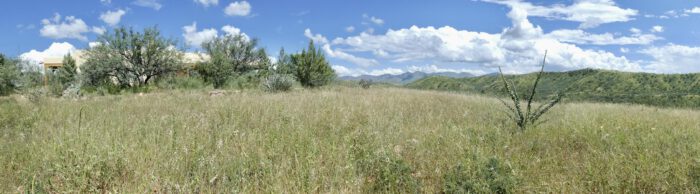
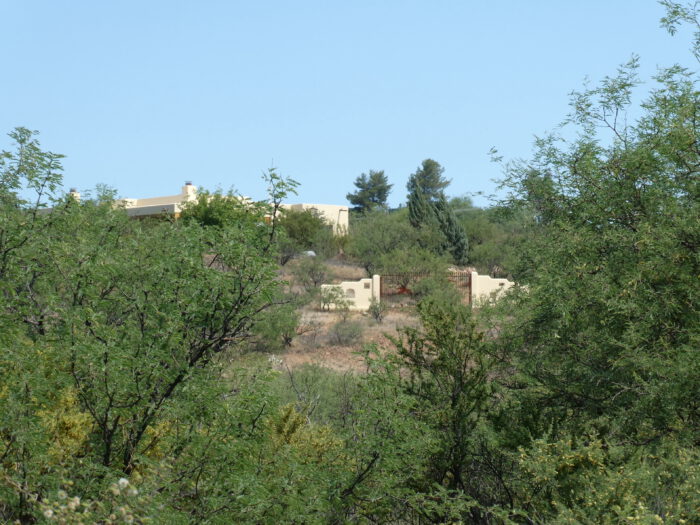
As soon as he arrived, Vincent began to restore the habitat encompassing the hill where house sits. He pulled the nonnative plants – Tumbleweed, London Rocket, Lehmann Lovegrass, and Natal Grass – by hand, allowing native plants to recolonize the habitat. Countless plantings of native species then followed, directly around the house. Vincent then laid out a well-marked trail that meanders through the restored zone near the house – appropriately dubbed the Sky Islands Vista Trail. With excellent views of the Patagonia and Pajarito Mountains, this easy path allows you to truly take in the scope of sprawling Raven’s Nest Nature Sanctuary, as well as the local Sky Island ranges at large.
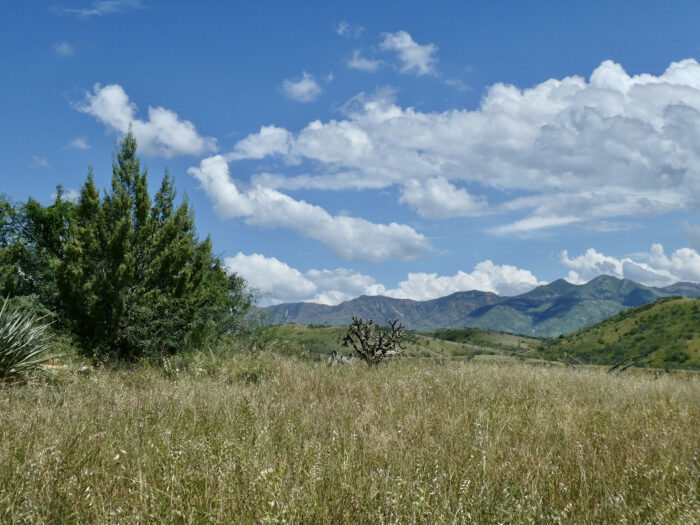
Perhaps most exciting of all, Vincent’s ecological restoration efforts have spawned many young Velvet Mesquite trees, Dainty Fairy Duster Shrubs, Cane Cholla cacti and other native “:volunteers” near the Sky Islands Vista Trail. The young Mesquites promise an expansion of the woodlands at the sanctuary.
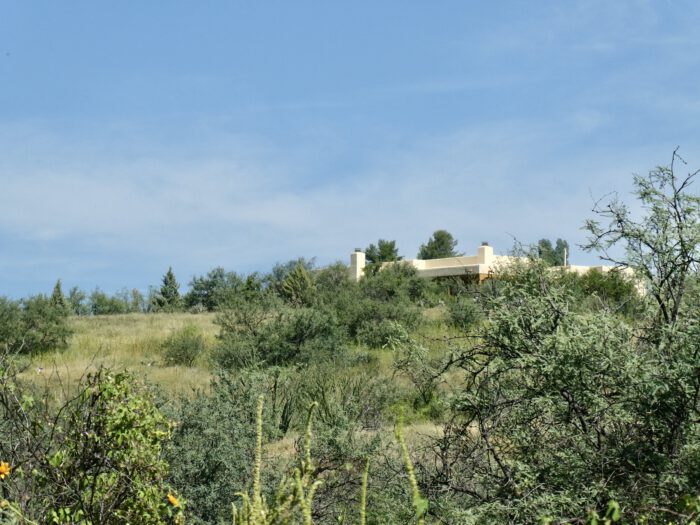
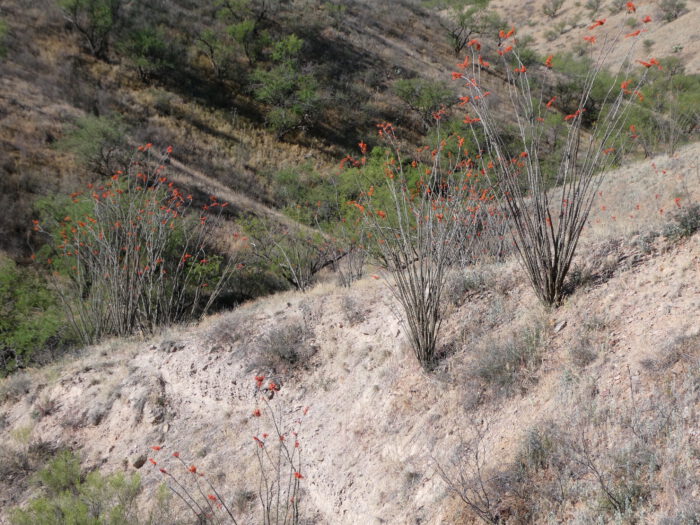
A long list of native species eagerly took over the restored habitat along the Vista Trail, including: Bolivian Cilantro, Saya, Janusia vines, Fairy Duster, Spreading Fanpetals, Partridge Pea, Catclaw Mimosa, Range Ratany, Spiny Hackberry, Engelmann’s Prickly Pear, Ocotillo, Wild Cotton, Fishhhook Barrel Cactus, Bird’s-foot Morning Glory, and Chainfruit Cholla. Spring wildflowers often spread out across the slopes by the house, only outdone by summer blossoms that carpet the ground.
Grassland Restoration
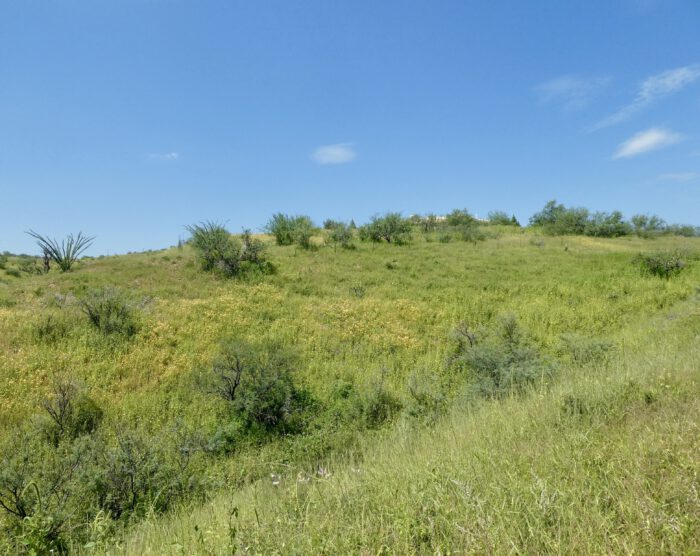
The grasslands near the house were in need of some of Vincent’s ecological expertise. Many of the same nonnative plants threatened to spread and reduce the biodiversity of this native prairie. Vincent soon he turned the tide in favor of the native plants, allowing grasses such as Curly Mesquite, Tanglehead, Sprucetop Grama, Cane Beardgrass, and Sideoats Grama to take command of the habitat. Now, as of 2025, we have breeding Botteri’s and Cassin’s Sparrows, as well as both Gambel’s and Montezuma Quail that feed in the native grasslands. Wintering Lark Buntings sometimes patronize the native grasslands in lieu of their prarie breeding grounds.
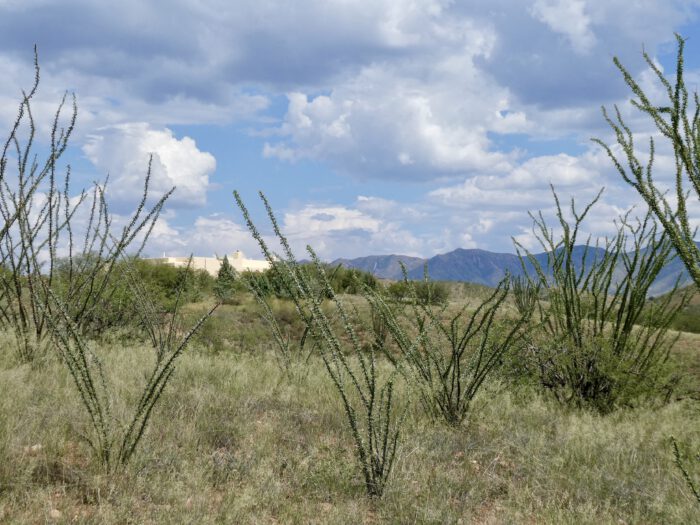
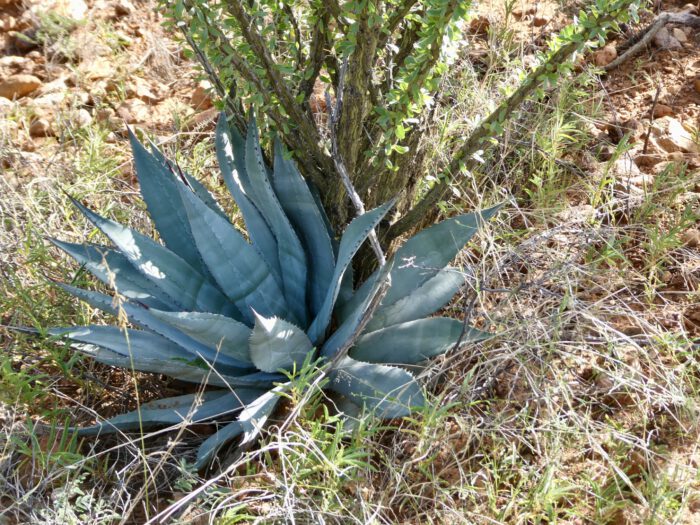
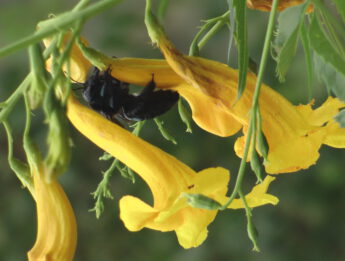
One of the most satisfying successes among many in the grasslands was the spread of Palmer Agave. This giant succulent in the Asparagus family has truly exploded in numbers since 2008, allowing a concurrent proliferation of native pollinators that rely on its long-lasting blossoms. Hummingbirds, Hooded and other Orioles, White-winged Doves, Verdins, Carpenter Bees, Sphinx Moths, and tropical Lesser Long-nosed Bats all pay homage to the rich nectar and/or pollen at the Agaves during Monsoon season.


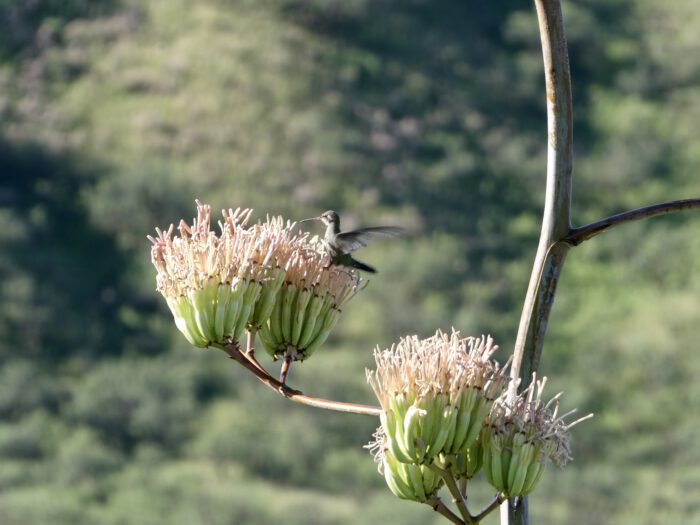
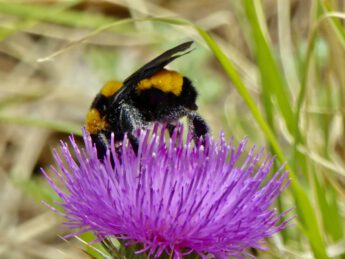
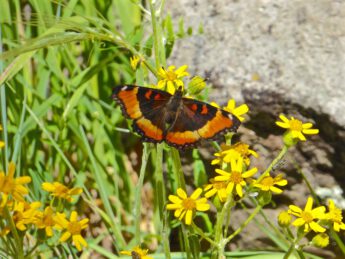
Along with the many other flowering plants at Raven’s Nest, our ecological restoration efforts have seen a profound resurgence in native pollinators, who in turn have fed birds, lizards, amphibians, mammals, and predatory invertebrates. All told, we have helped to expand the Food Web at the sanctuary, greatly benefitting its biodiversity.


Wildlife Ponds
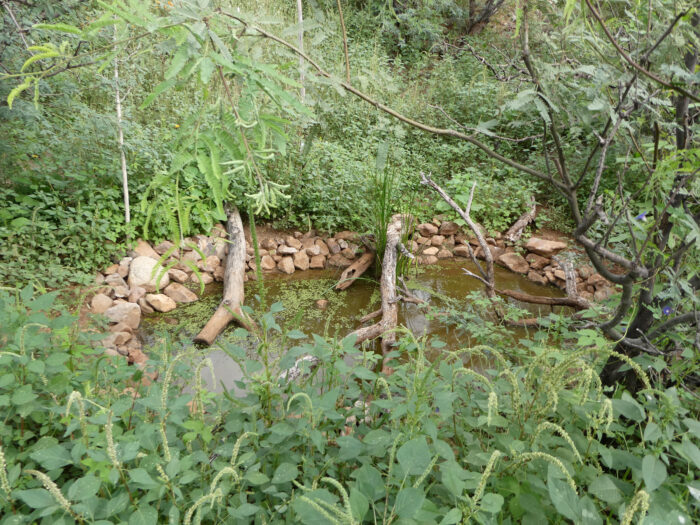
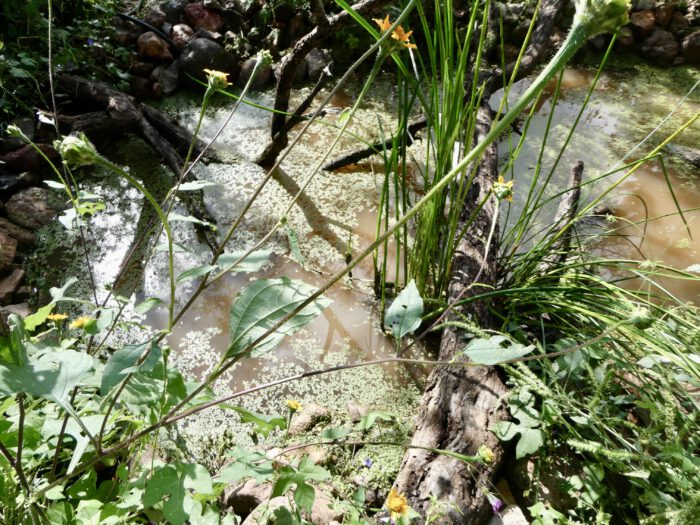
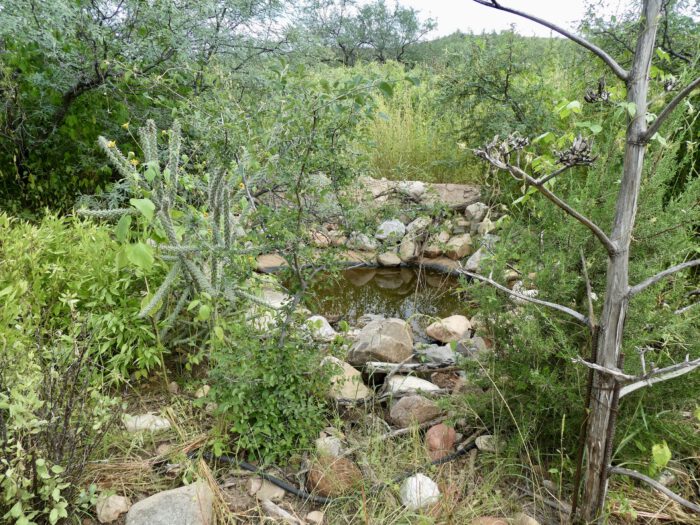
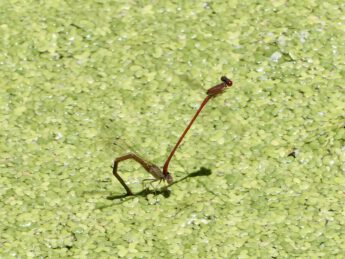
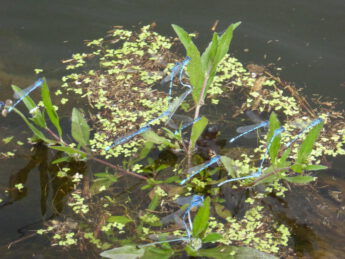
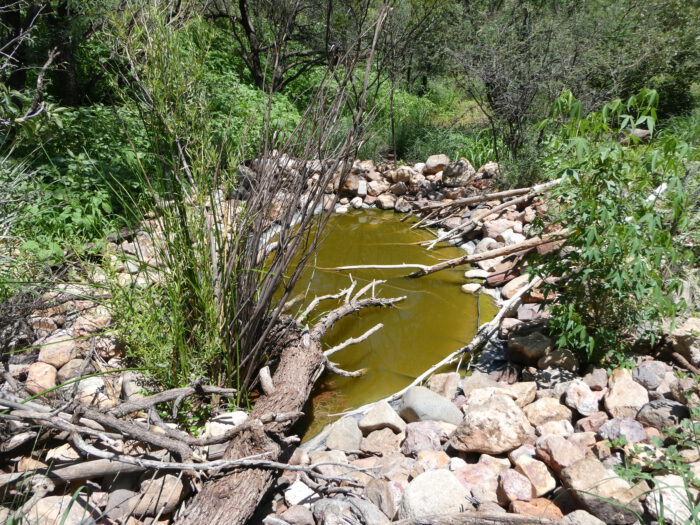
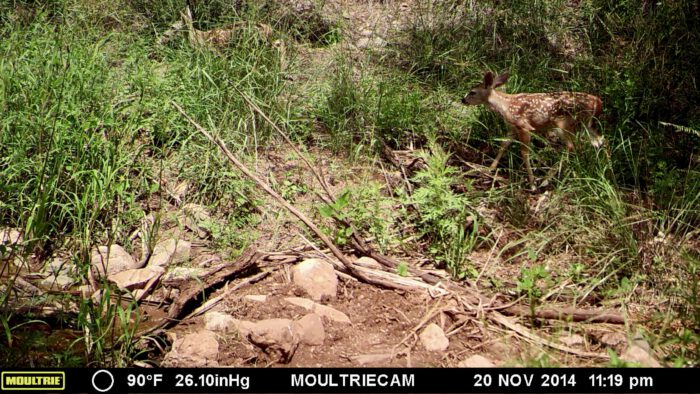
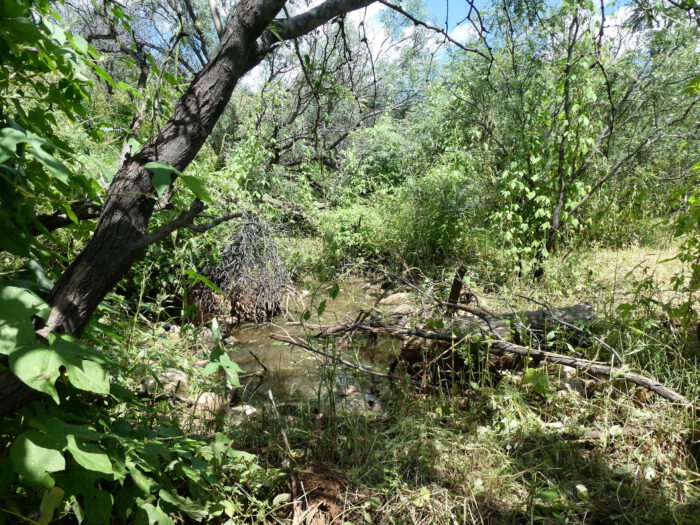
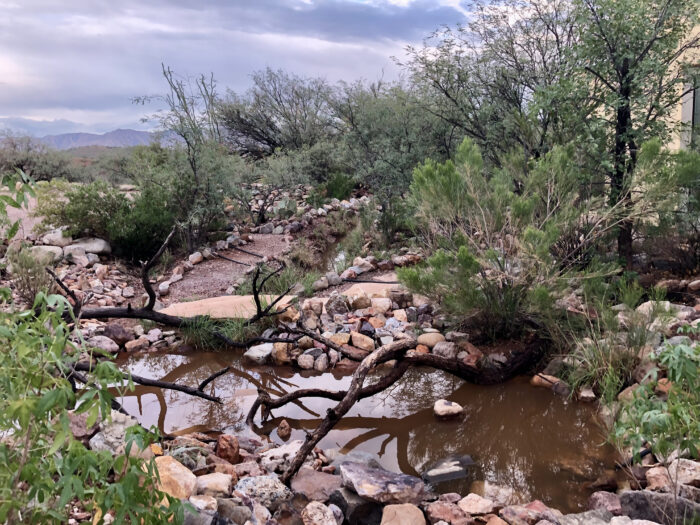
Vincent created wildlife ponds to help support the biodiversity at Raven’s Nest. This labor of love has been a deeply rewarding and ecologically transformative force at the Nature Sanctuary. The ponds were designed to mimic Nature, using eco-friendly materials. Their small size and locations – tucked into native vegetation and often by a sheltering slope – minimize the use of water. Thirsty wildlife are drawn to the cool water, with some also taking a refreshing dip.
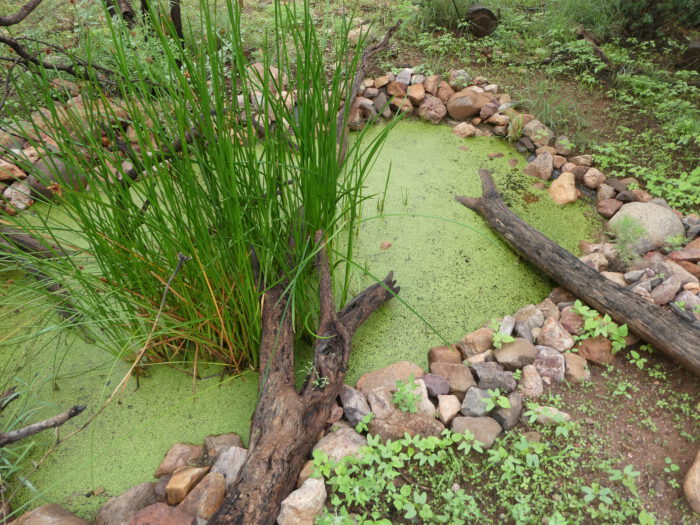
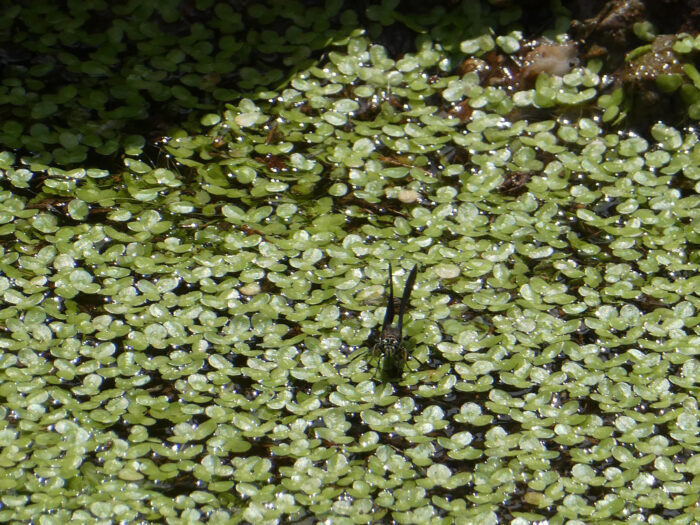
The Wildlife Ponds have proven to be a resounding success! We have even observed Osprey checking them out from above, with periodic visits by Mexican Ducks, Great Blue Herons, and other aquatic birds. More regular avian visitors include a wide variety of hawks, warblers, flycatchers, orioles, wrens, tanagers, sparrows, etc…
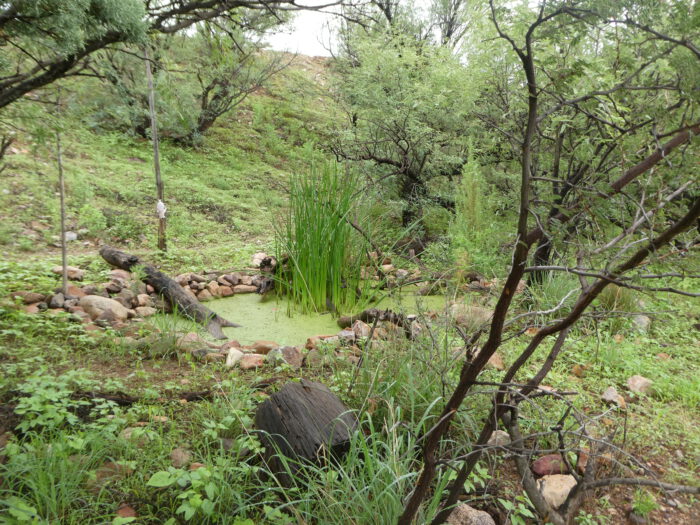
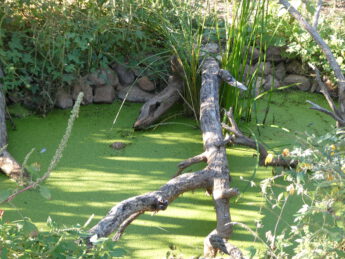
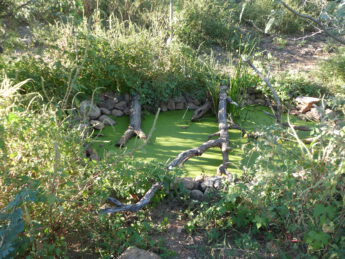
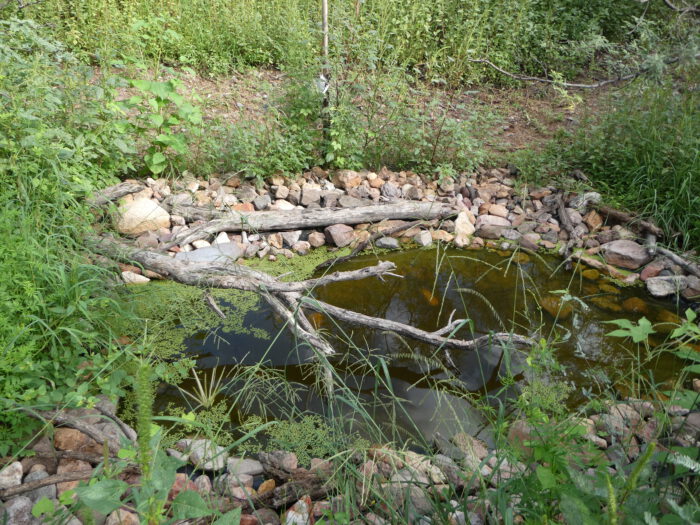
The name for Gray Hawk Pond was carefully chosen after we noted that it indeed was a favorite place to drink and bath for our nesting pair of these Mexican Specialty raptors.
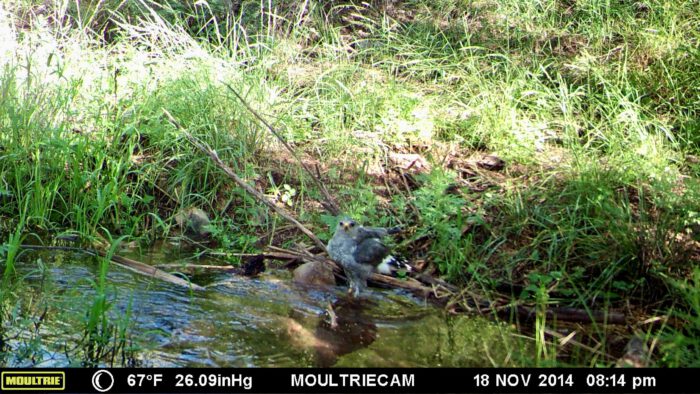
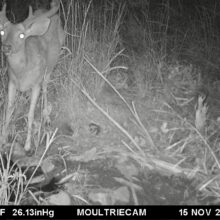
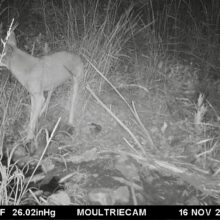
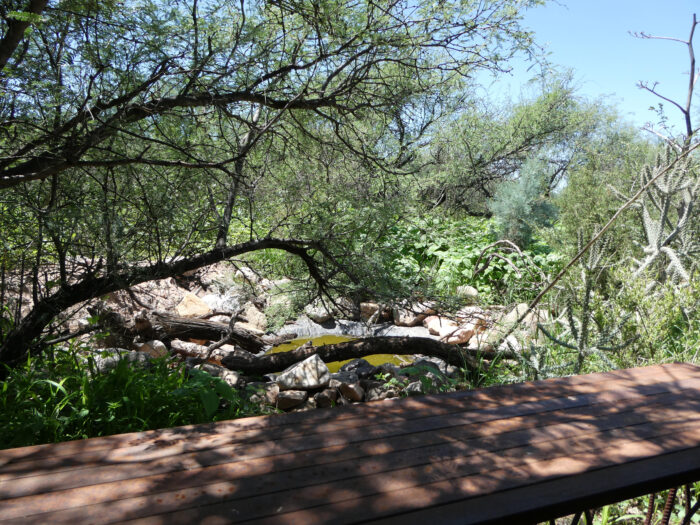
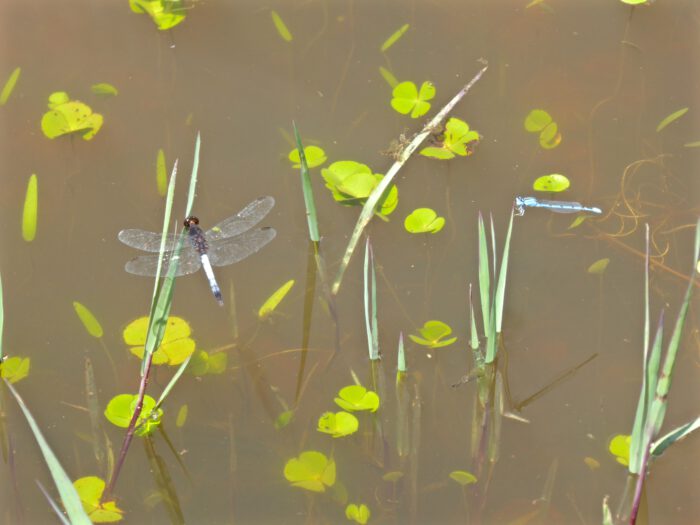
In one of our ponds we put in nonnative Goldfish, as they have no way of escaping. The Goldfish provide potential meals for piscivorous birds, mammals, and reptiles.

Watershed Restoration
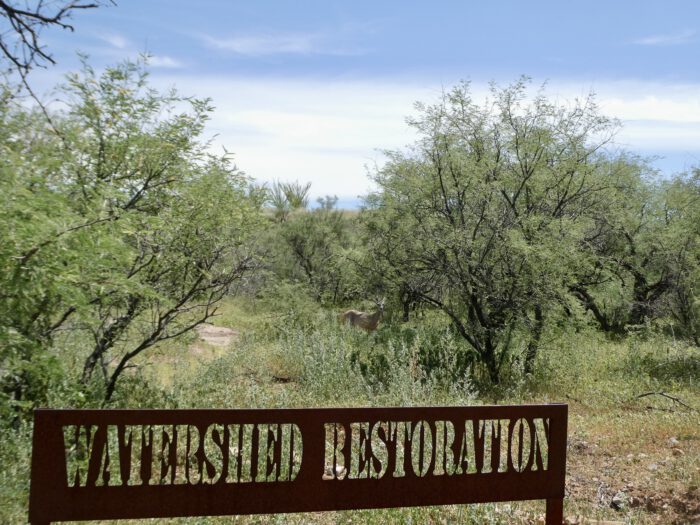
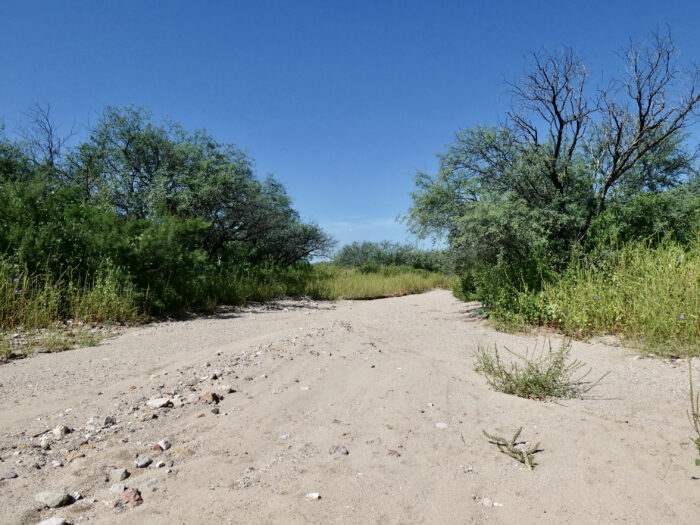
Not content to just establish our Wildlife Ponds, Vincent carefully observed the floodplain watershed that supports the Velvet Mesquite and Catclaw Acacia Woodlands at Raven’s Nest. Prior to 2008 mismanagement of the landscape unnaturally channelized sections of the main arroyo which consequently was mostly devoid of plants. Setting out to remedy this, Vincent knew that he had to slow the water down, allowing it spread out once again.
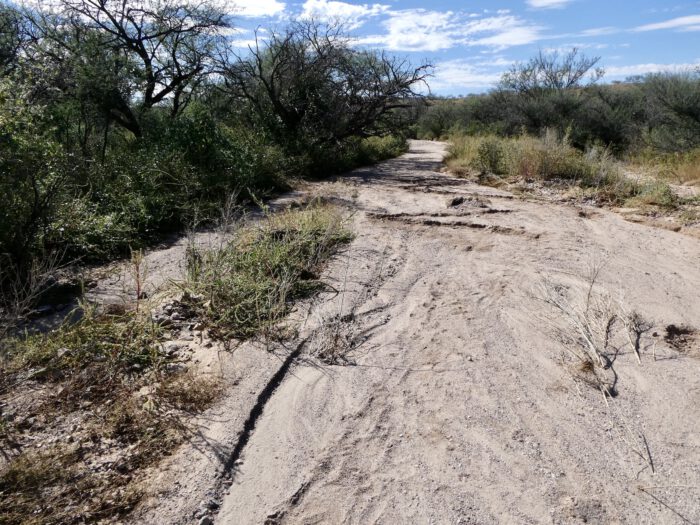
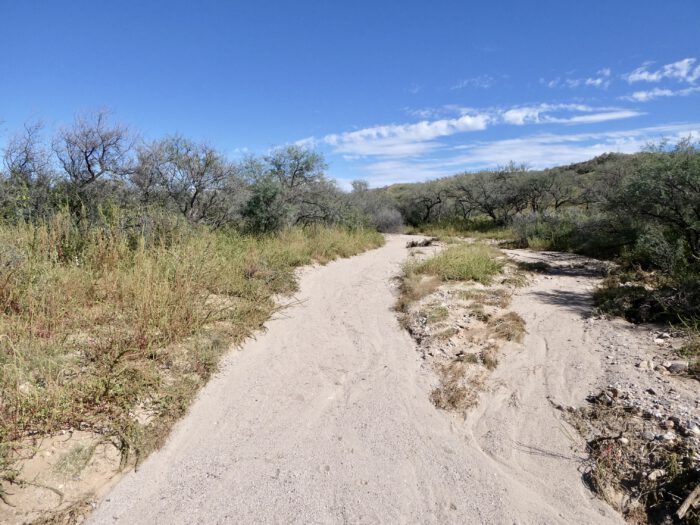
Vincent’s eyes became attuned to every facet of the preserve’s topography, as he searched for opportunities to restore the watershed. Some of his best observations came during storms, as he noted the precise behavior of various arroyos, sub-arroyos, and sheet flows over the landscape.
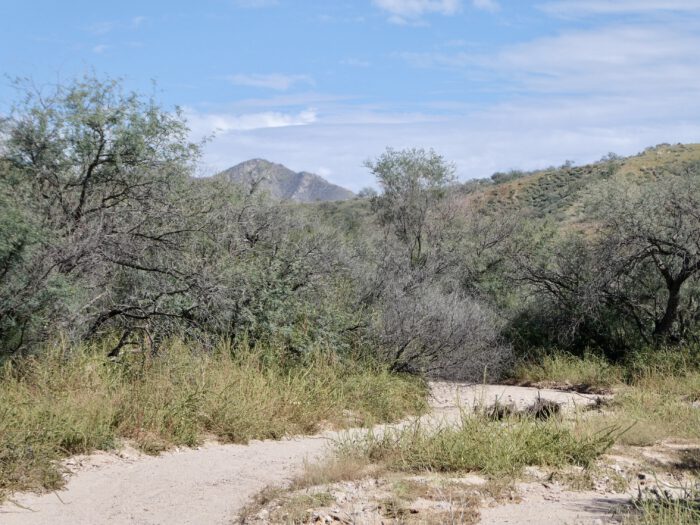
Once again – eschewing heavy machinery and opting for a hands-on, ecologically friendly approach – Vincent and Claudia set to work. Over the years they have established a permanent and extensive series of earthen berms, swales, habitat islands, and check dams that collectively allow the water to slow down and deeply penetrate into the soil, helping to recharge the aquifer and benefitting countless plants. Now the arroyos have sprung to life, hosting a dazzling array of native plants over the seasons.
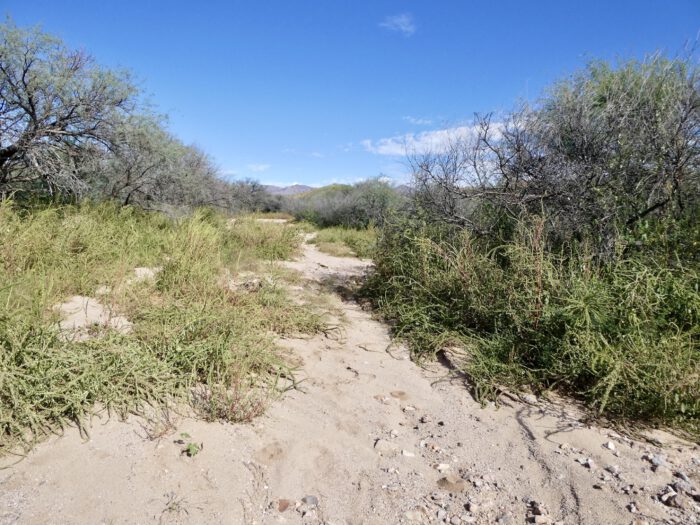
Numerous ephemeral pools and puddles form after good arroyo flows, as the water spreads throughout the woodlands in a combination of healthy, braided stream and sheet flows. The “habitat islands” that we created – with old rebar, spare metal fencing, dead branches, and sand – have served as effective baffles that the arroyo waters have to navigate, effectively lowering their erosive force. The end result is a complex of arroyos at Raven’s Nest that now, once again, have a healthy flow supporting native biodiversity.
Arroyos
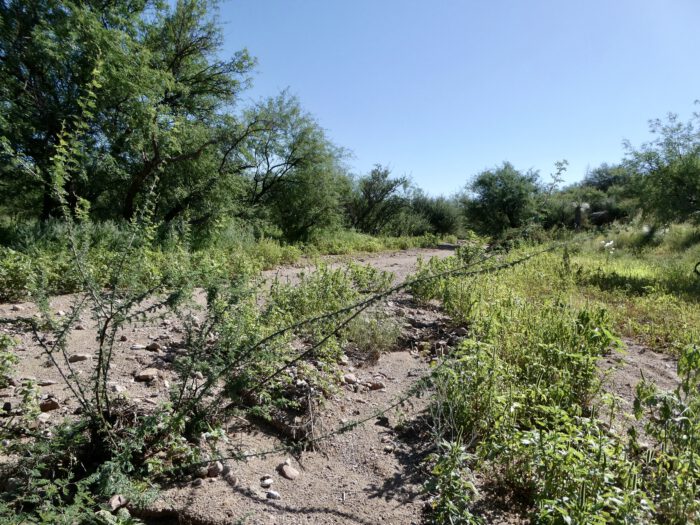
At Raven’s Nest Nature Sanctuary – situated at 4,000 feet elevation, and hence in between the higher oak-juniper arroyos and the lower desert ones – we are fortunate to have a diverse array of arroyos that are true cornerstones of biodiversity. Our main arroyo averages about 50 feet wide. Winding its way through the preserve, its seasonal waters head west towards the Santa Cruz River.
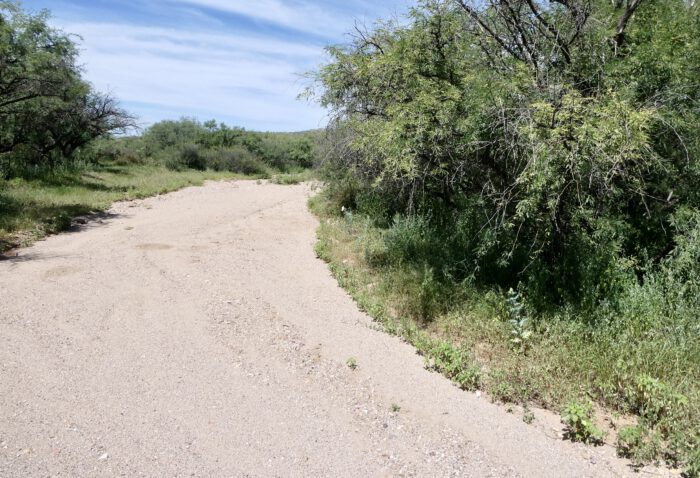
Its banks host mature velvet mesquites and catclaw acacias, as well as the occasional netleaf hackberry – all forming a sometimes dense overstory. Beneath them they shelter spiny graythorn shrubs and catclaw mimosa bushes. Summer witnesses a flourish of plants with twinevine, morning glories and wild cucumber all trellising up the woody vegetation. The result creates a seasonal “jungle” look along the arroyos. At ground level a wide array of native grasses and wildflowers spring up throughout the year.
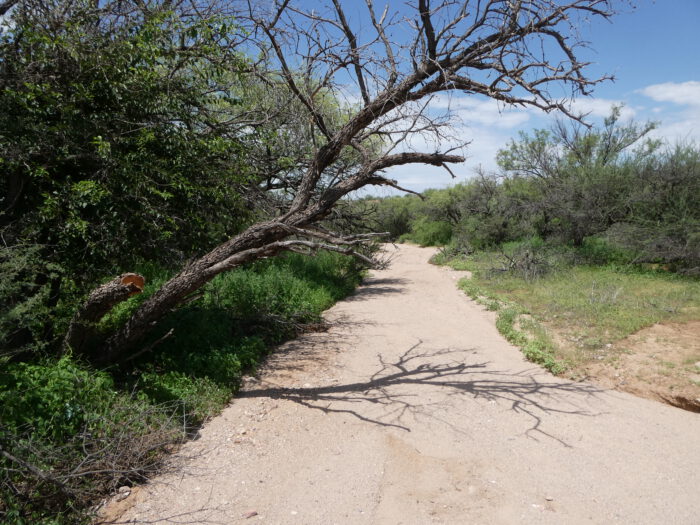
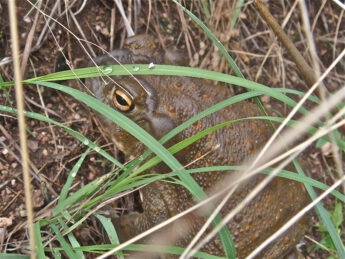
This riot of vegetation in turn supports a myriad of wildlife. Vermillion flycatchers, Lucy’s warblers, broad-billed hummingbirds and other birds nest in the arroyo woodland zone. When rarities such as elegant trogon, thick-billed kingbird, and yellow-billed cuckoo show up here, it’s generally along an arroyo. Mammals such as Merriam’s kangaroo rats, 4 species of skunks, and bobcats not only forage in this zone, they often preferentially employ the open arroyo itself as an energy-efficient travel corridor. Why thrash through the brush when you can easily ambulate along the sandy expanse of the arroyo? When summer monsoons kick in Sonoran Desert toads ponderously lumber in and near the arroyo, searching for feeding opportunities and ephemeral breeding pools.
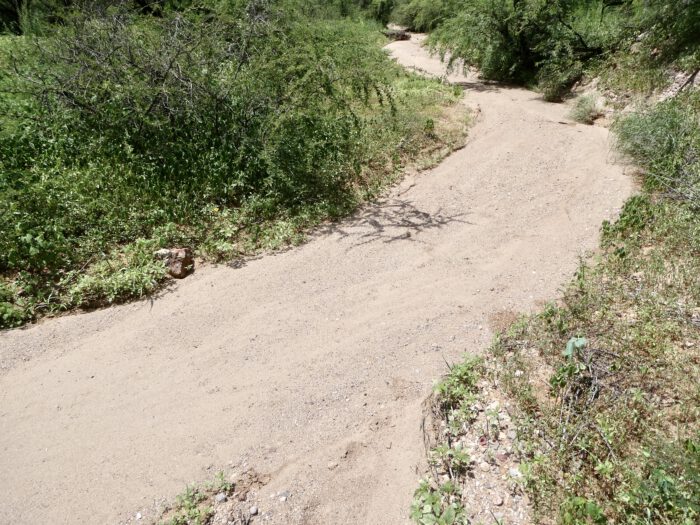
Always givers of life and sometimes purveyors of death, the normally still countenance of arroyos belies their role as cornerstones of our biodiversity. This is why I implore people never to drive in arroyos. Some may look like natural roads, but they are decidedly not. They need to be left to their own devices. Try walking in one instead, discovering their many treasures along the way.
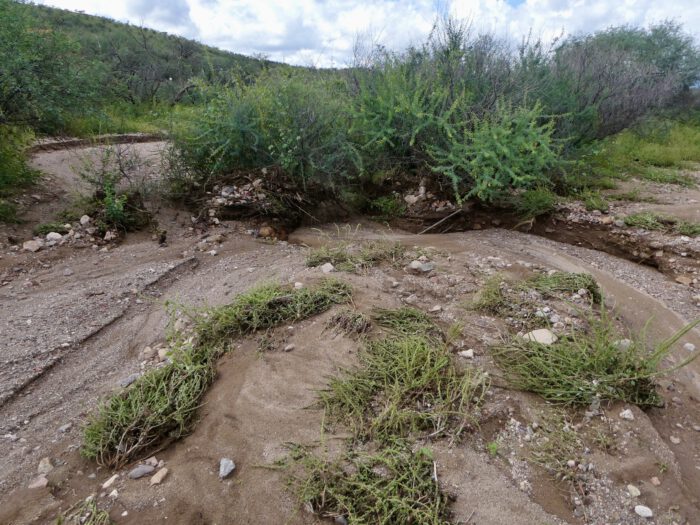
During Monsoon season witnessing the beautiful spectacle of Arroyos flowing at Raven’s Nest Nature Sanctuary is a profound reward for Vincent and Claudia’s ecological restoration efforts. Over the years Vincent closely studied the many running water conduits at the preserve, and can attest to the life-giving qualities of a good rain storm.
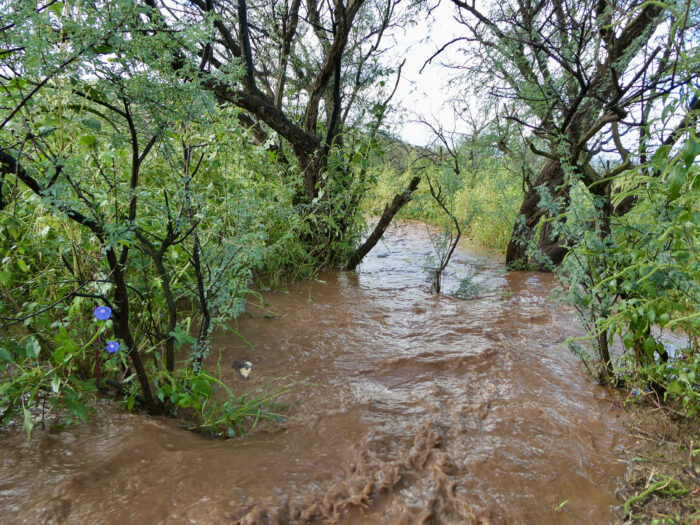
A significant portion of the 42 acres at Raven’s Nest is covered in Velvet Mesquite and Catclaw Acacia woodland. Most of our countless trees reside in our bottomlands, which by no coincidence is where a complex system of arroyos infiltrates every sector. Of course some rains merely soak into the ground. Others, though, result in a light-to-robust flow of water in arroyos both large and small.
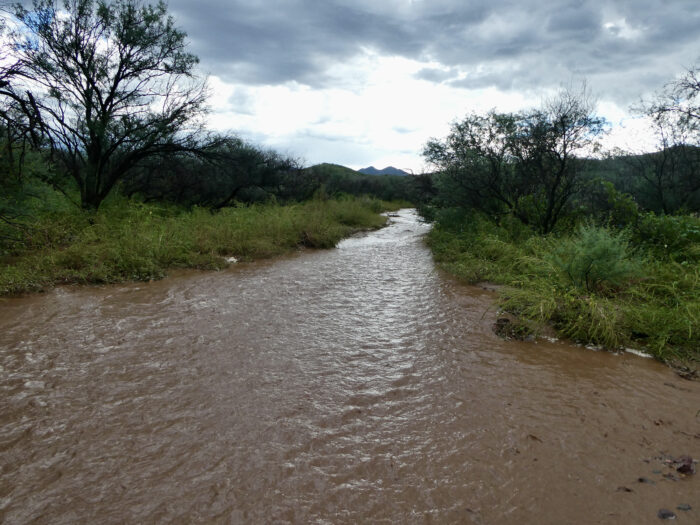
Regardless of when or how they get flowing, arroyos support a significant level of biodiversity. The dense trees and shrubs furnish critical habitat for a myriad of species – breeding birds, lustful toads, lurking reptiles, furtive mammals, and countless invertebrates among them. Monsoon season sees many hulking Sonoran Desert Toads lumbering through the woodlands in search of invertebrates or even small vertebrates to consume.
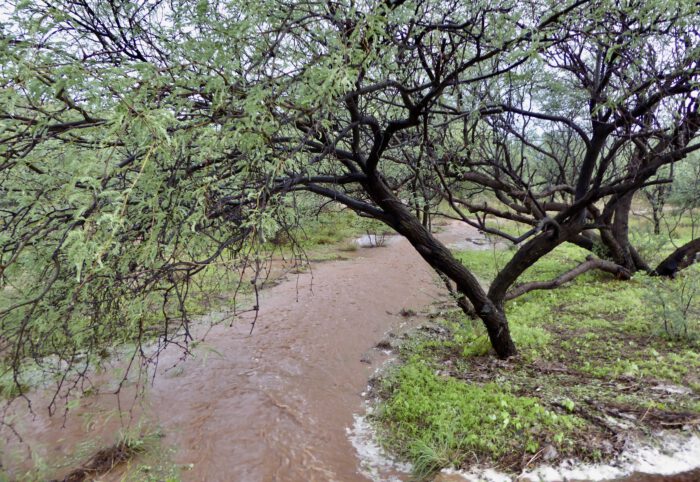
The extra soil moisture afforded plants by ephemeral flows along arroyos often leads to dense thickets along their sides. These often impregnable habitats in turn support a wide range of wildlife species. Birds often selectively nest in the protective embrace of the vegetation. They may do most of their foraging there as well, given that insects, other invertebrates, and fruit or seed-bearing plants are all crammed together along arroyos – Nature’s strip malls. Nocturnal mammals, including kangaroo rats, desert cottontails, and mountain lions seek sustenance and cover along their stretches. Additionally, the compact arroyo habitat often has plant species not found away from its banks. These “arroyo-phile” plants in turn help support the heightened levels of biodiversity found along these normally dry waterways.

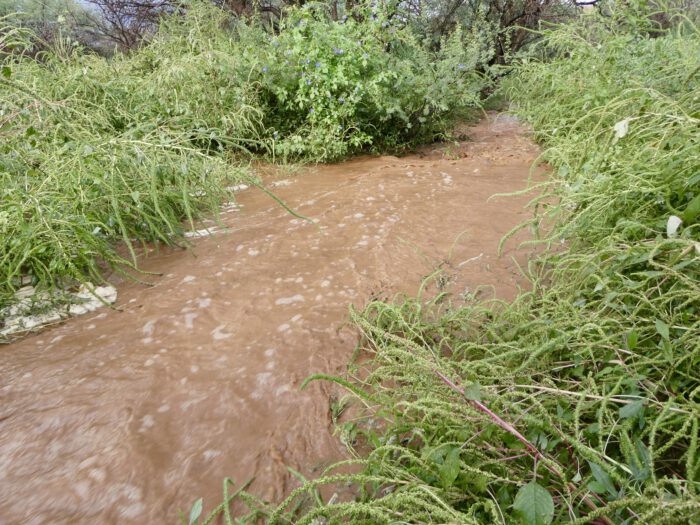
Hunting Gray Hawks seek unwary reptiles or other hapless prey in the woodlands. Quick-silver Coachwhip snakes lurk there as well, hoping to avoid becoming a meal of this neotropical raptor. These and many other wildlife species have graced our preserve – largely thanks to the arroyos, their periodic flooding, and the resultant rich habitats.
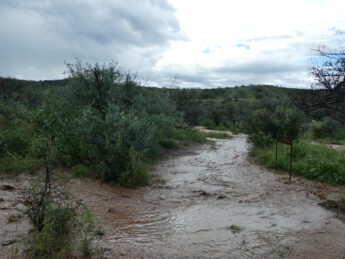
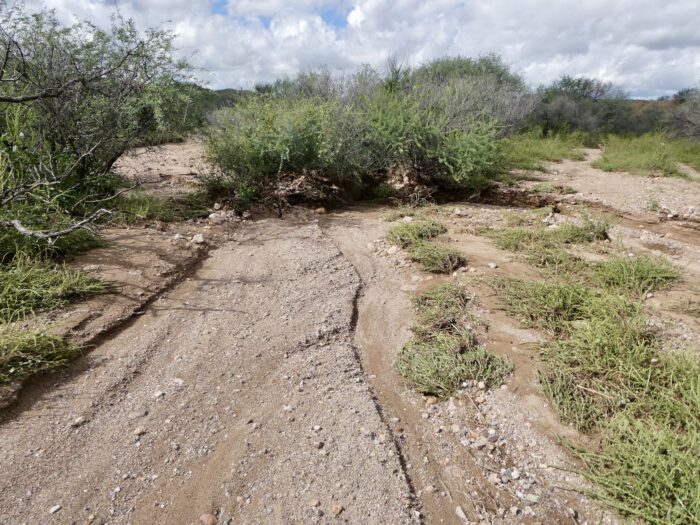
Countless natural contours in the landscape slow the water down, allowing it to soak the soil and hence support ecologically diverse habitats. Significantly, many seeds and even roots that take hold arrive with running water, adding a botanical dynamic to local arroyo habitats that would otherwise be largely lacking.
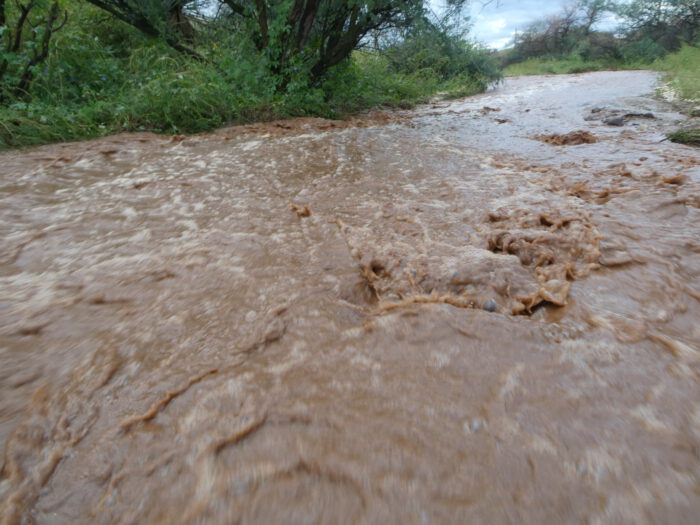
The water is a reddish-brown color due to its high particulate matter content or suspended soil laden in the water. As has been famously said of the Colorado River, arroyo water is “too thick to drink and too thin to plow”! Thus, arroyo habitats also benefit from the deposition of nutrients when they flood.
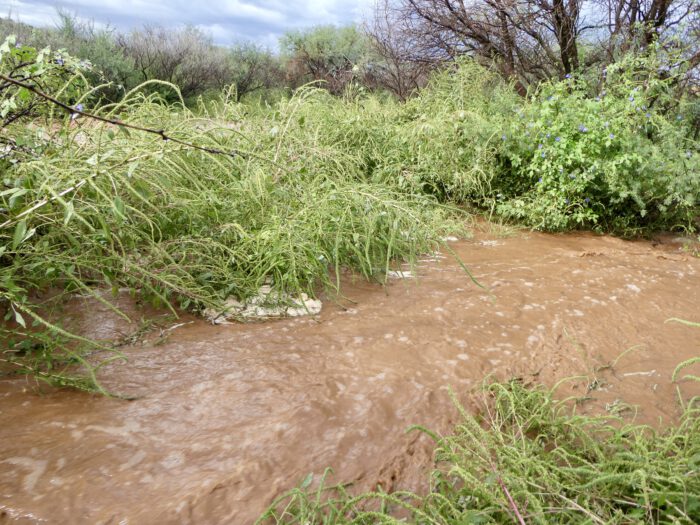
The wettest arroyos – ones that may have flowing water for days after a flush of monsoon flooding – qualify as riparian habitat if they host on their banks species such as velvet ash, Arizona walnut, seepwillow, and Arizona Sycamore. Due to human-related water drawdowns, these types of arroyos are increasingly rare. Some of them, in fact, are the remnants of perennial streams that flowed within the last few centuries or even decades – a stark reminder to all of us to safeguard our precious water. Most arroyos, however, are fringed by more arid-adapted plants that grow more densely on their edges than in the surrounding habitats. In the foothills of our taller mountains, these xerophile plants may be joined by Emory and Mexican blue oaks, as well as several species of juniper. In the lowest elevations of the Sky Islands, such as in Saguaro National Park, desert ironwood, velvet mesquite, a few paloverde species, catclaw acacia, and a variety of dense shrubs such as wolfberries can predominate in this linear habitat.