
A UNIQUE ECOLOGICAL & CONSERVATION EXPERIENCE!
Vincent Pinto has been a passionate and dedicated Conservationist since the mid 1980’s – committed to Environmental Education and Earth Stewardship in the ecologically rich Sky Islands region of southeast Arizona. Via his Ravens-Way Wild Journeys LLC Vincent’s hands-on and action-oriented Mission to help preserve the area’s unique biodiversity began in 1993 at Raven’s Mountain Nature Sanctuary .
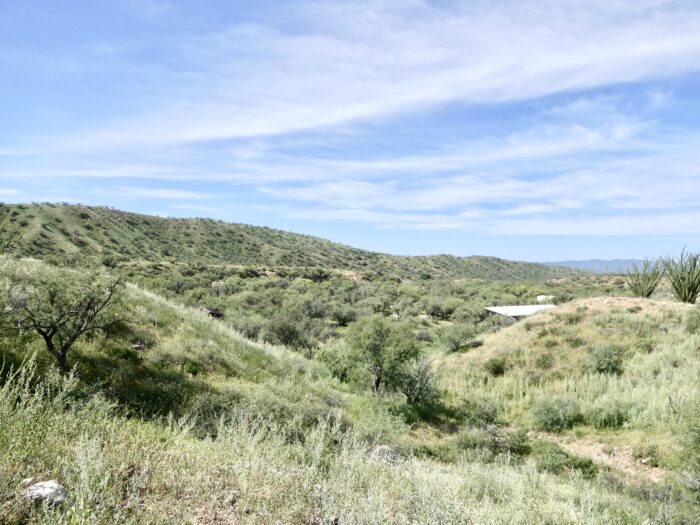
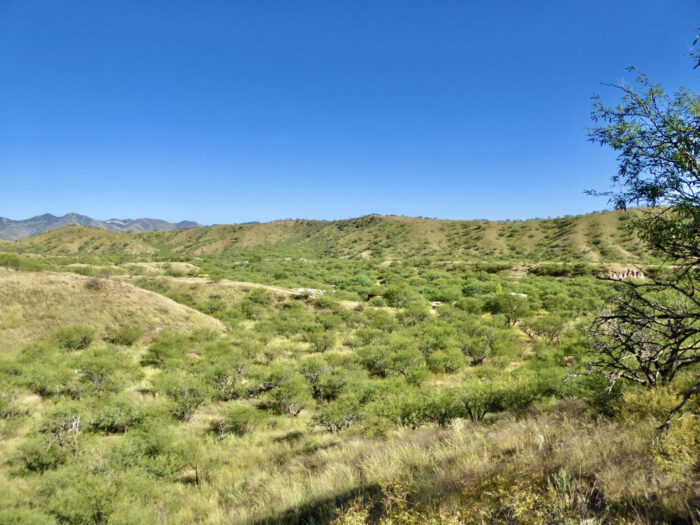
Since March 18, 2008 Vincent and his wife, Claudia, have focused on preserving the unique biodiversity at their 42-acre Raven’s Nest Nature Sanctuary. In homage to the land’s strategic location their unwavering goal has been its Ecological Restoration.
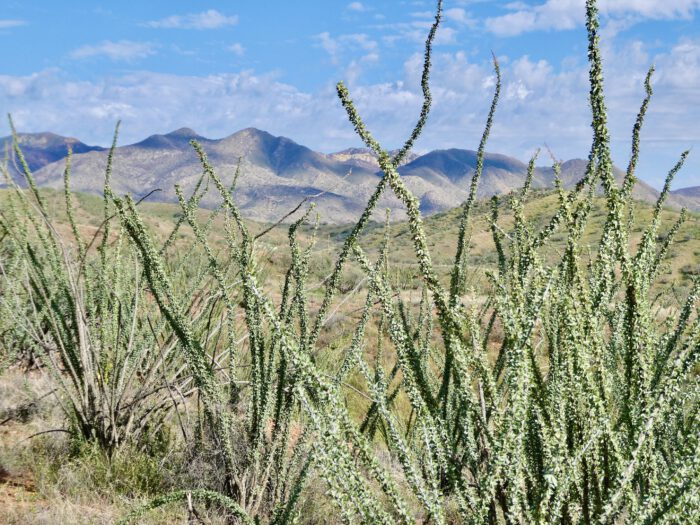
Their efforts have greatly benefitted the preserve’s varied habitats, while helping to conserve water in one of the world’s most vital biodiversity hotspots. Vincent’s knowledge – born from decades of hands-on field experience as a wildlife biologist and naturalist – is reflected in every direct action taken at Raven’s Nest Nature Sanctuary.
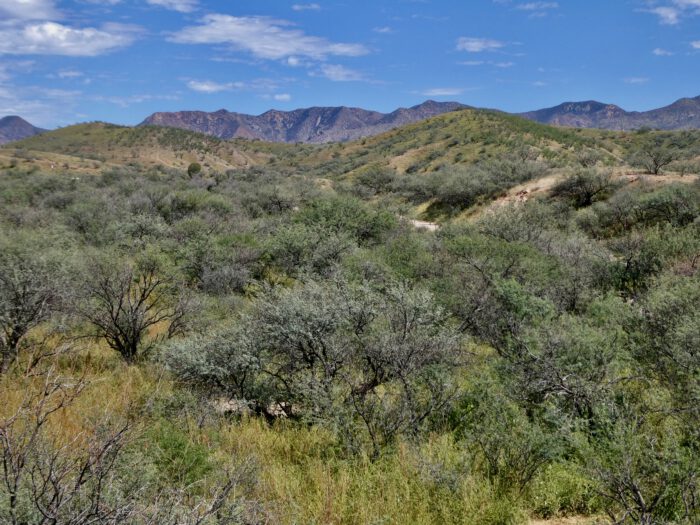
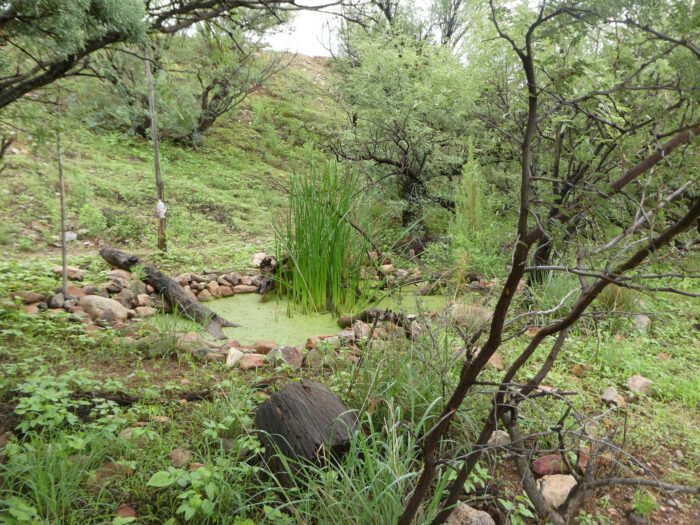
While anyone can put a sign up and proclaim a “nature sanctuary”, over the years the transformation of the land at Raven’s Nest via consistent earth stewardship has been profound, giving true meaning to the term.
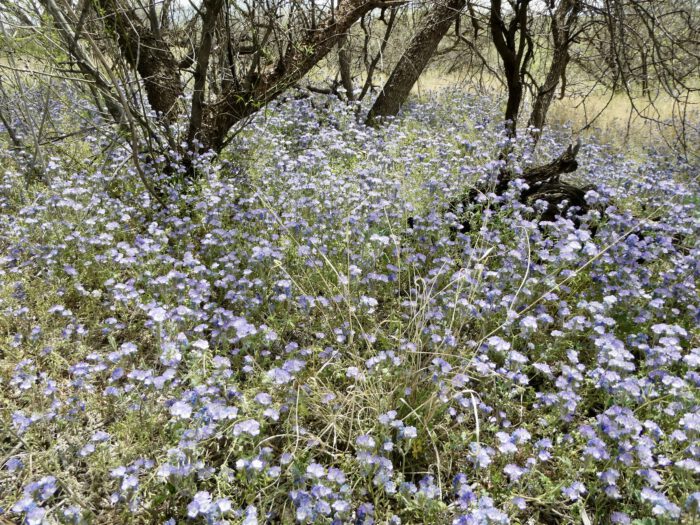
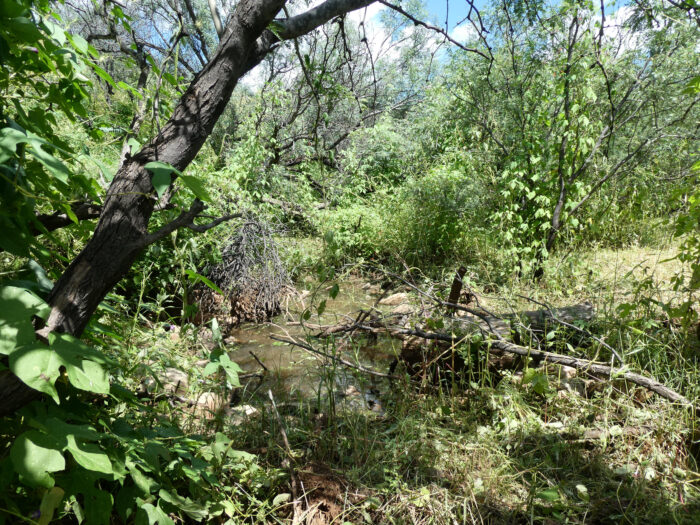
OUR COMMITMENT TO SKY ISLANDS BIODIVERSITY

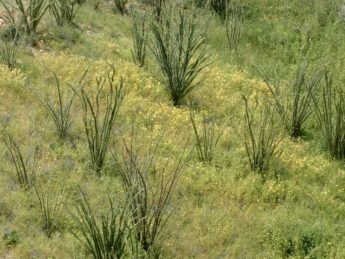
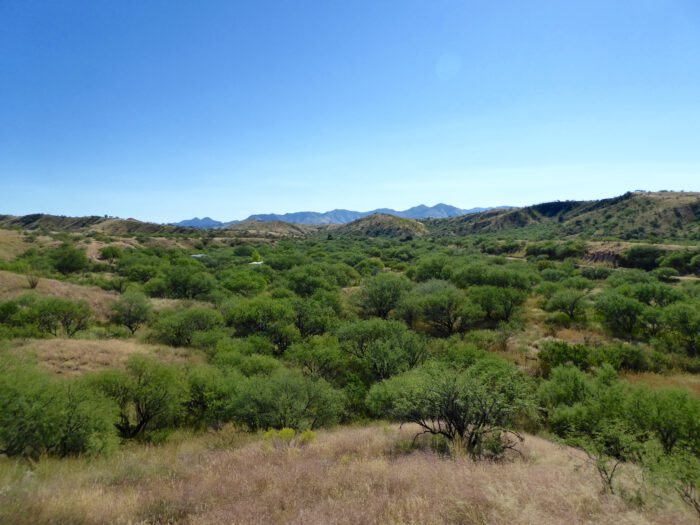
Given the continued diminishment of biodiversity across the planet, Raven’s Nest Nature Sanctuary serves several purposes:
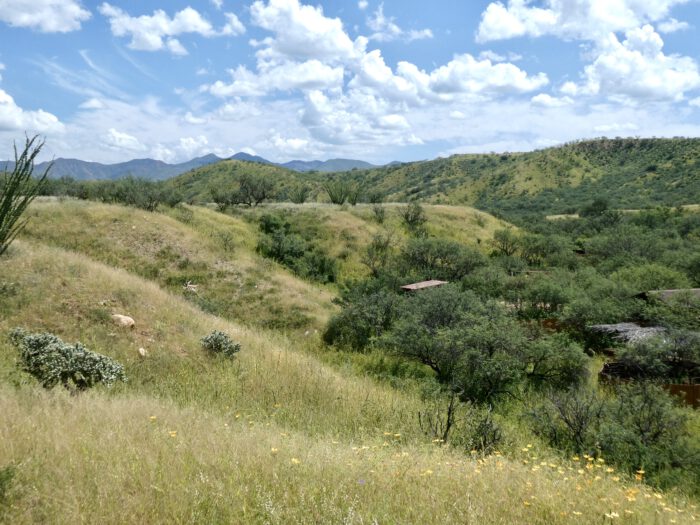
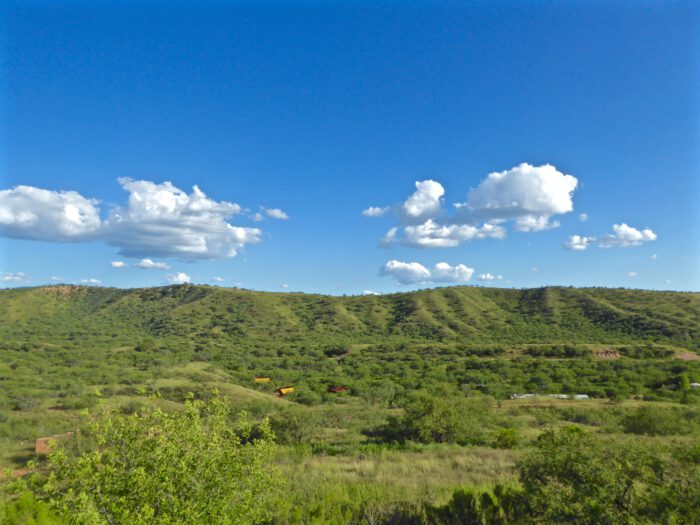
I. The ecological restoration at the preserve has allowed it to serve as an important puzzle piece in the larger continuum of protected natural areas in the central Sky Islands region of southeast Arizona. Tucked into scenic rolling hills, Raven’s Nest is a stepping stone between the Patagonia Mountains to the south and the Santa Rita Mountains to the north.
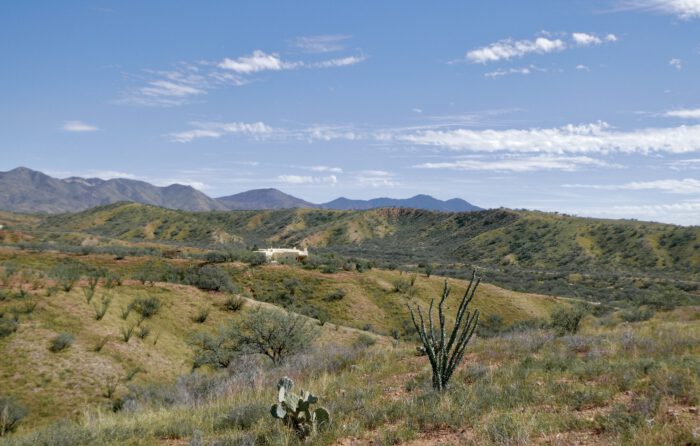

Further, the nearly 10,000 acres of protected land in Sonoita Creek State Natural Area are a short walk from Raven’s Nest. The juxtaposition of this key wild area to the preserve allows a myriad of species to travel through this extensive wildlife corridor.
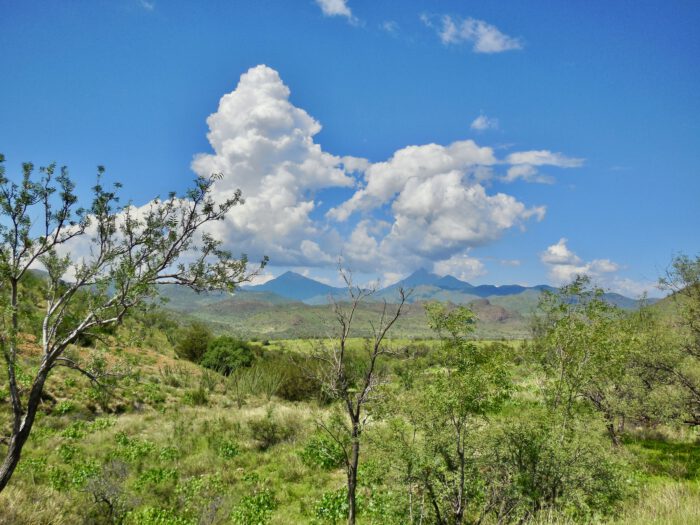
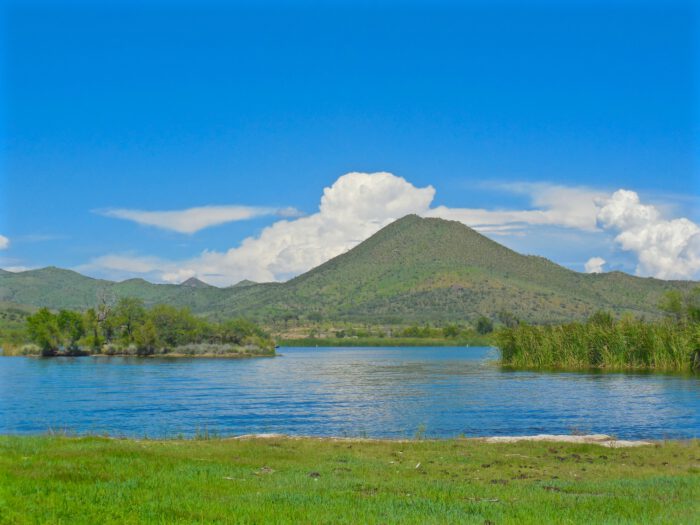
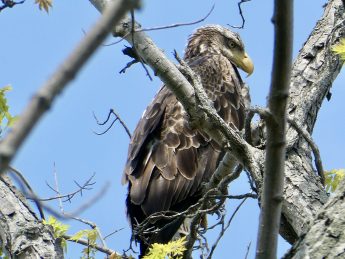
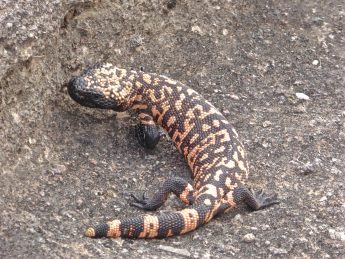
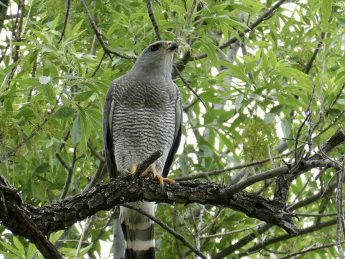
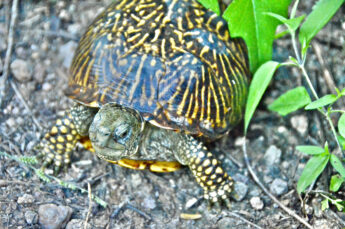
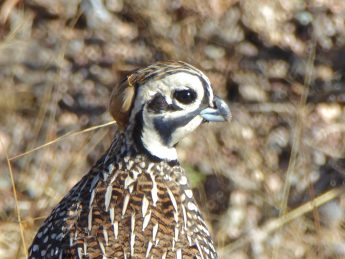
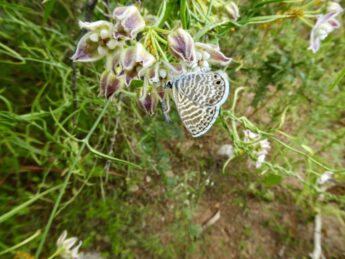
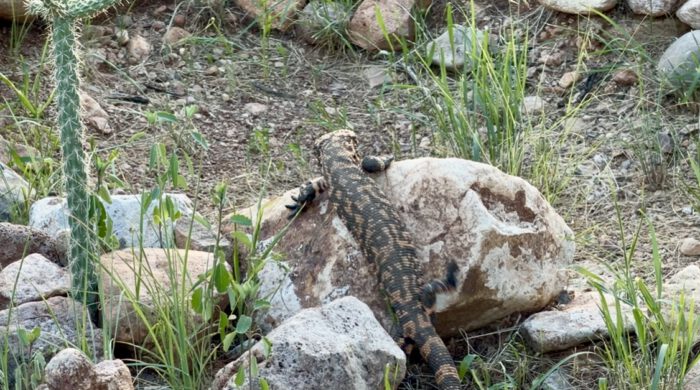
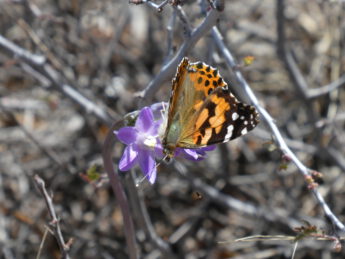
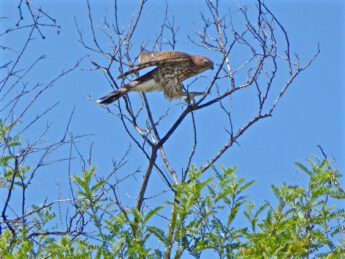
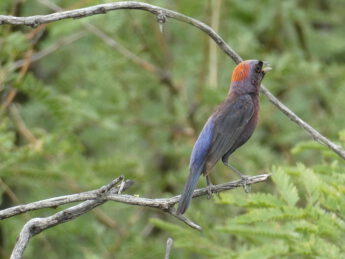
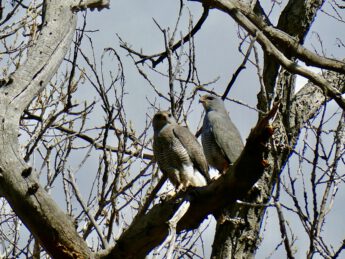
The proof of this at Raven’s Nest has been the preserve’s highly varied species list over the years. A diverse lineup of wildlife has utilized the sanctuary, including: Mountain Lion, Elegant Trogon, Gray Hawk, Sonoran Desert Toad, Gopher Snake, Ornate Box Turtle, Golden Eagle, Elf (a locally rare butterfly), Gila Monster, Common Gray Fox, Ringtail, Varied Bunting, and many more.
II. Equally as important, Raven’s Nest serves as a template for other local landowners, demonstrating to them the many conservation opportunities and tools they have at their disposal. The preserve’s rainwater harvesting features highlight the need to safeguard our water supplies both for native species and future generations.
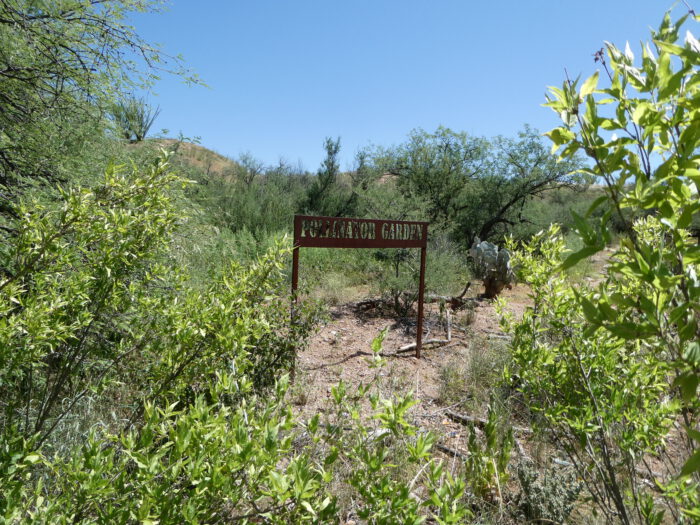
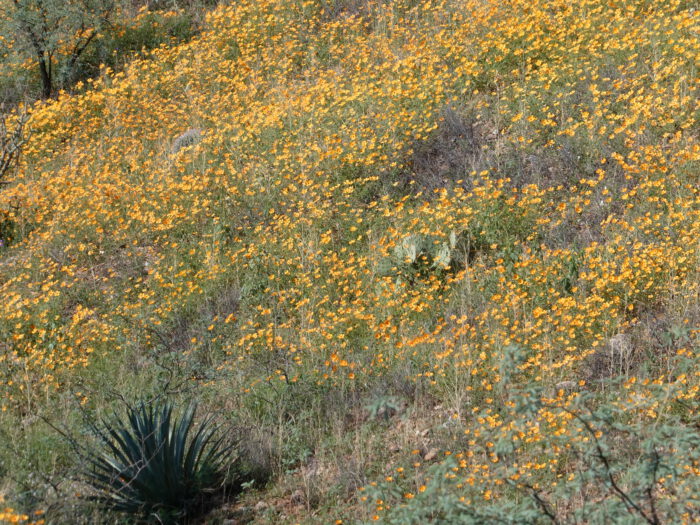
The native landscaping at Raven’s Nest sheds light upon the need for ecological restoration of various habitats in the Sky Islands region.
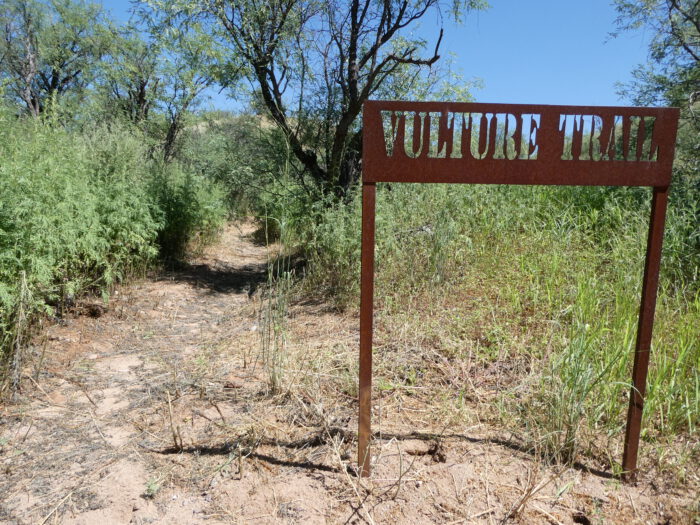
Our 6 miles Nature Trails invite guests to explore the land, getting to know its ecology and the renowned Sky Islands Biodiversity firsthand.
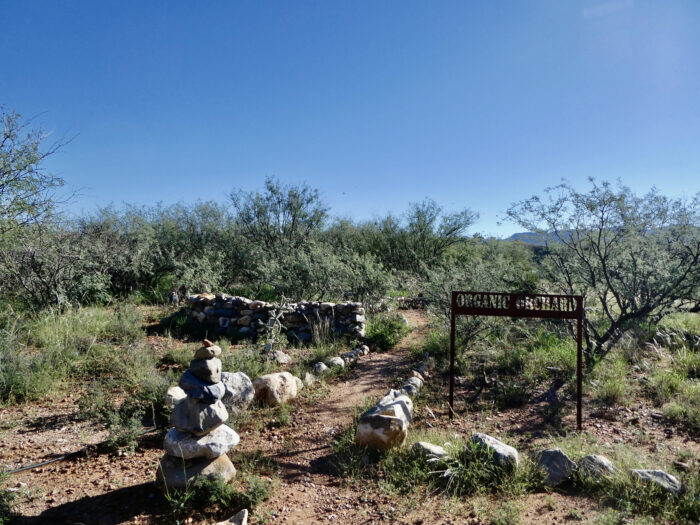

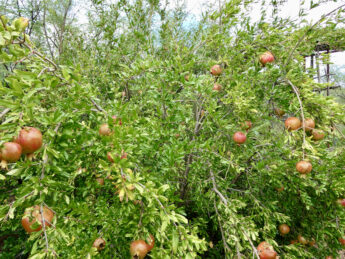
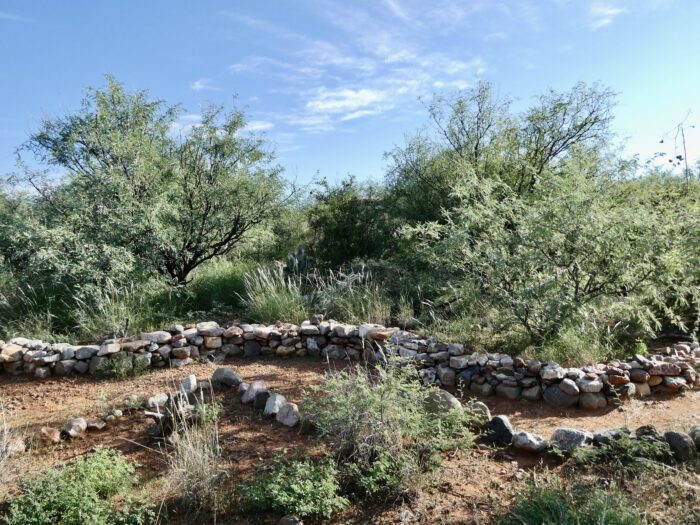
The preserve’s small Organic Orchard and Organic Gardens inspires guests to sustainably grow some of their own food in harmony with the land.
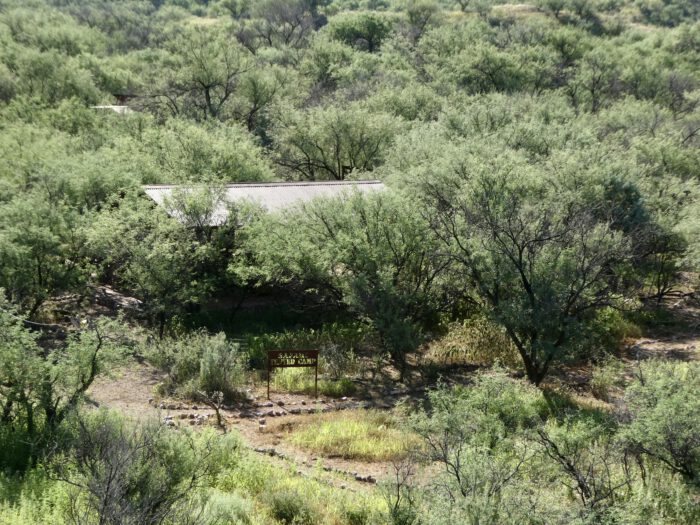
Meanwhile, the Sky Islands Safari Camp beckons guests to slow down and enjoy the beauty of the land, casting aside the ongoing demands of life while putting nature first.
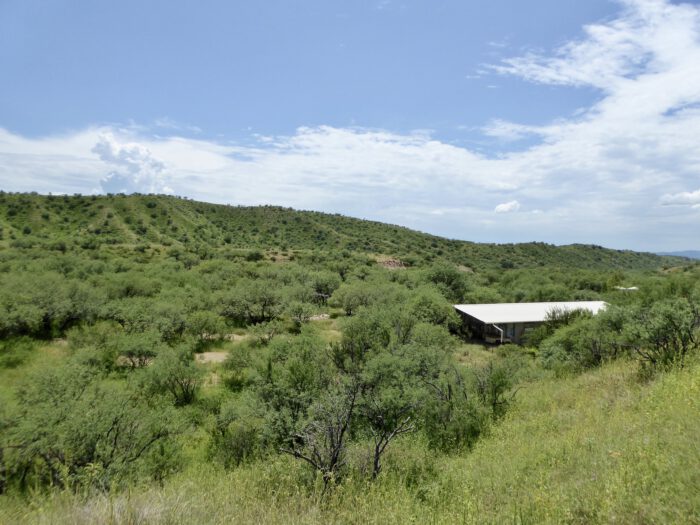 Finally, the Sky Islands Discovery Center is a reminder to all of the need to continue to educate ourselves about the crucial role that biodiversity plays in a healthy planet.
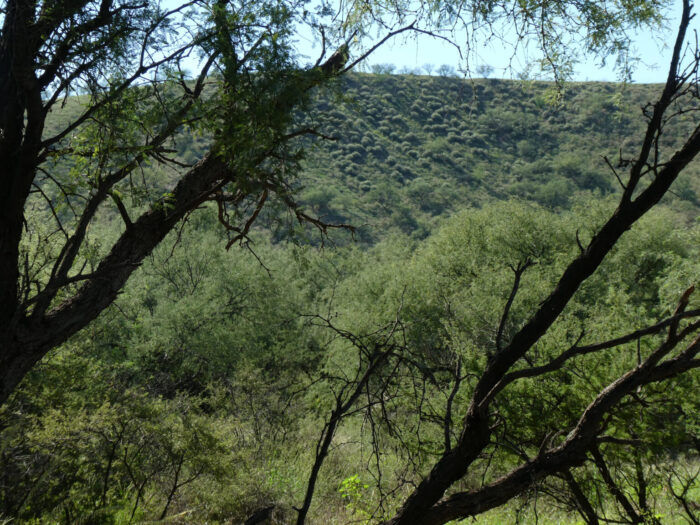
Thus, anyone who visits Raven’s Nest Nature Sanctuary bears witness to the countless hands-on ecological restoration efforts that have gone into transforming the land back to its natural state since 2008.
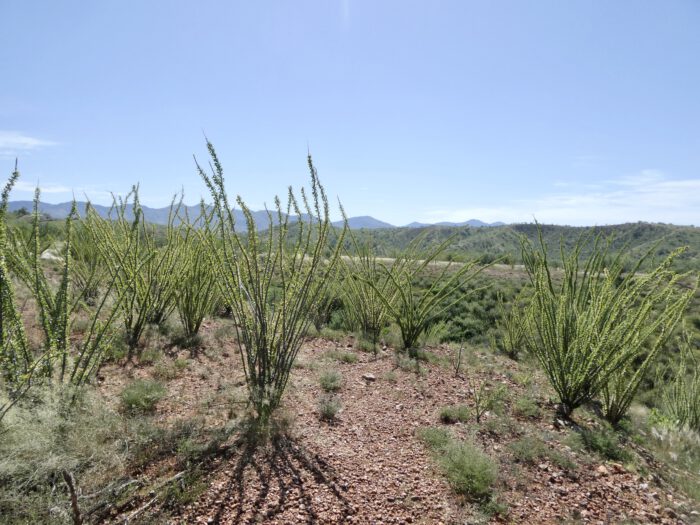
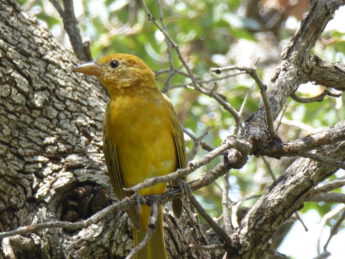
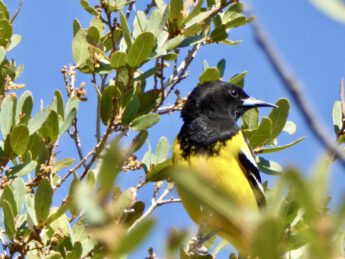
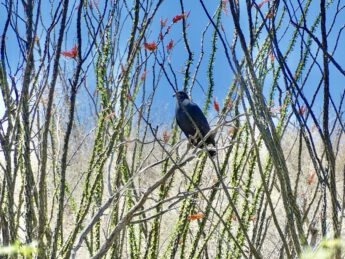
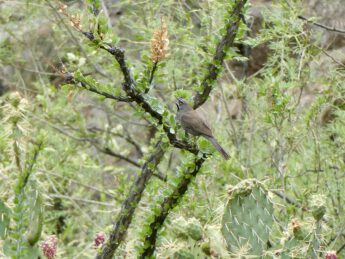
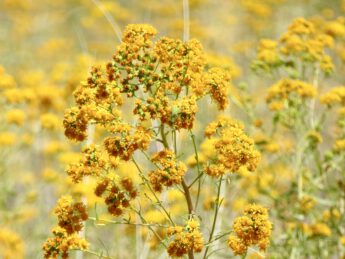
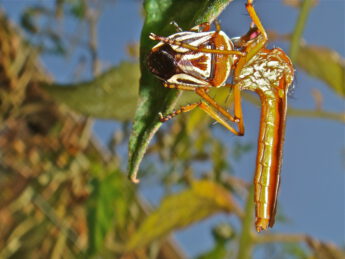
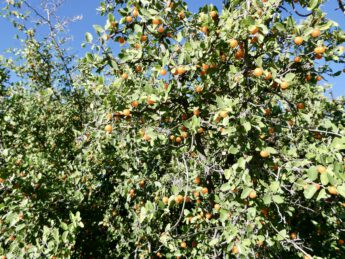
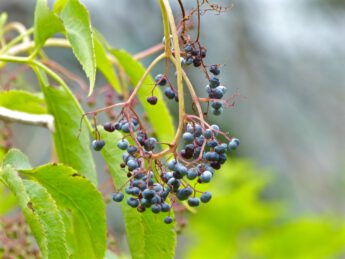
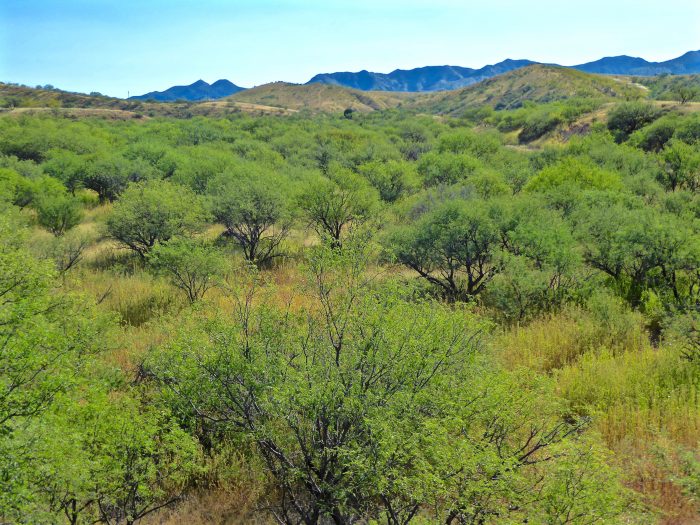

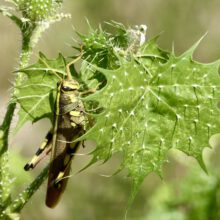
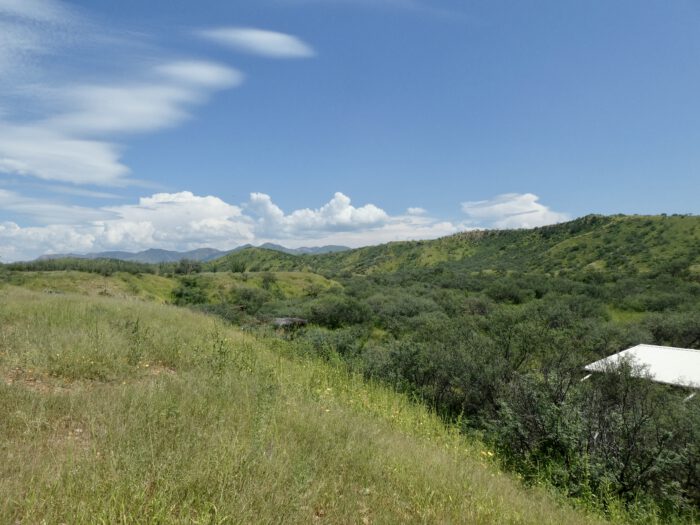
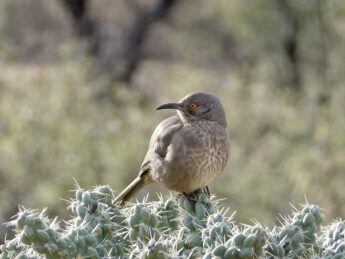
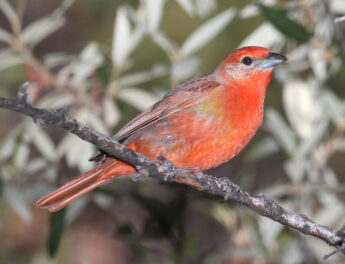
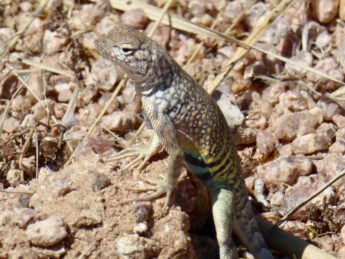
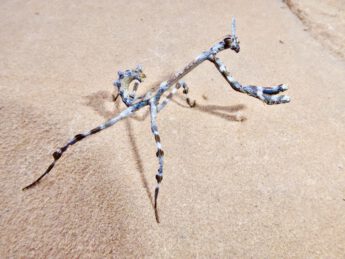
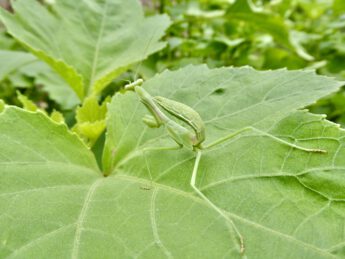
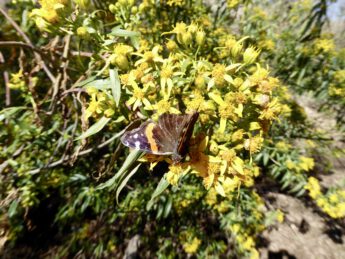
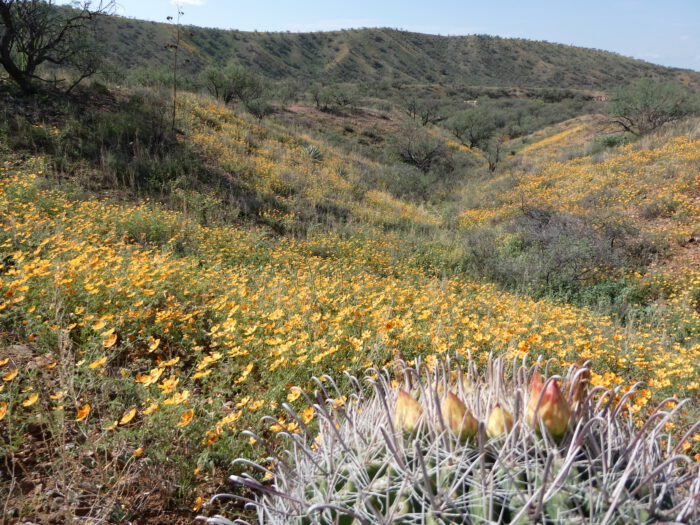

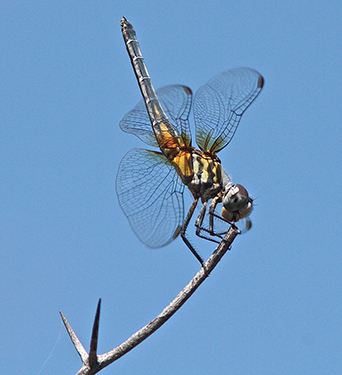
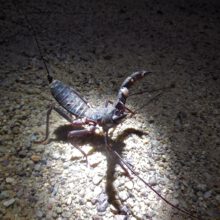
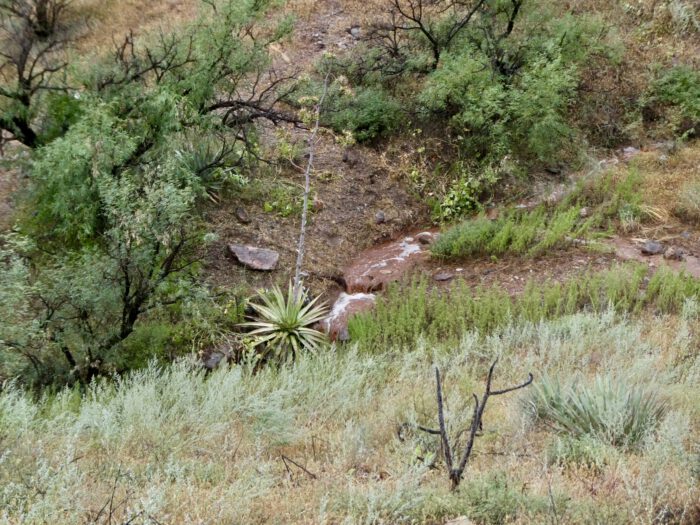 Evident throughout the 42 acres are the Earth Stewardship initiatives that Vincent and Claudia have implemented acting in harmony with nature. Every action has been aimed at enhancing the land to benefit the species that inhabit and visit beautiful and secluded Raven’s Nest Nature Sanctuary.
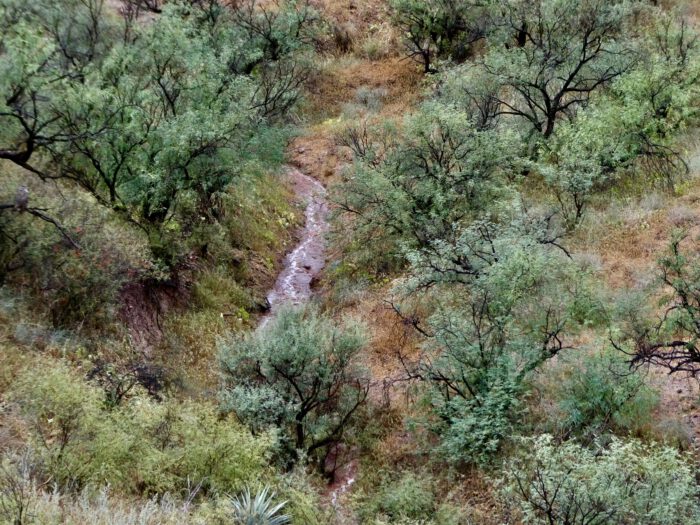
RAINWATER HARVESTING SYSTEM
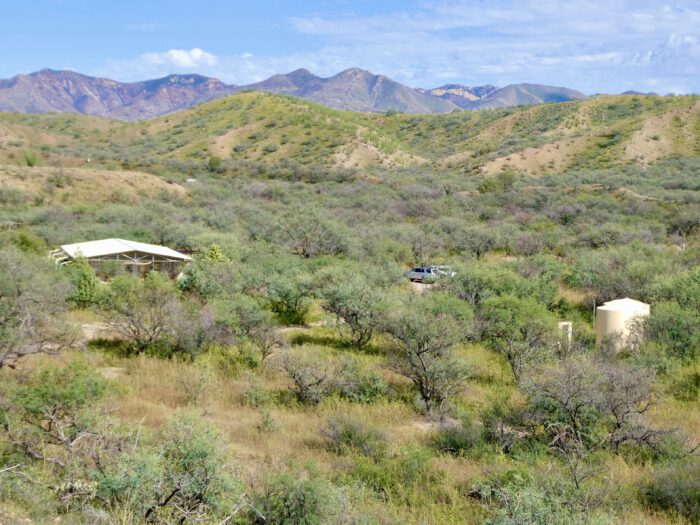
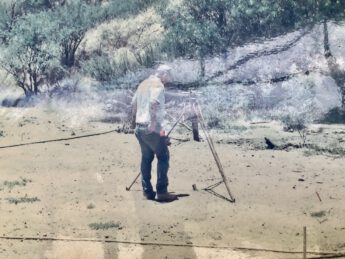
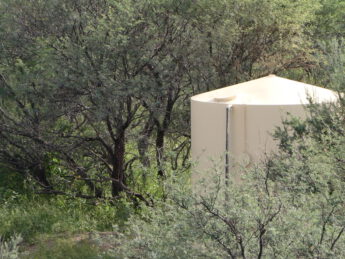
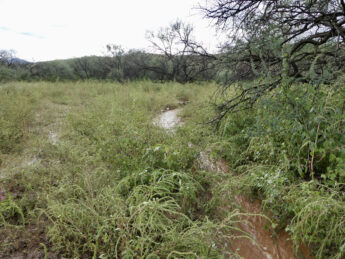
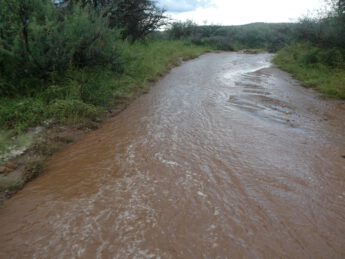
From day one, the ecological strategy at Raven’s Nest had multiple critical facets. A key priority upon arrival on March 18, 2008 was to install a large-capacity Rainwater Harvesting System on the lower part of the preserve. Determined to collect the first rain, and knowing that there were only 3 months before the start of the Monsoon season, the hard work began in earnest. The main objective was to collect water from the 2,000-square-foot metal roof atop the Sky Islands Discovery Center, piping it underground all the way to “Dragon Pond” which was created for the system. From the pond rainwater is then pumped into the cisterns to be stored and used.
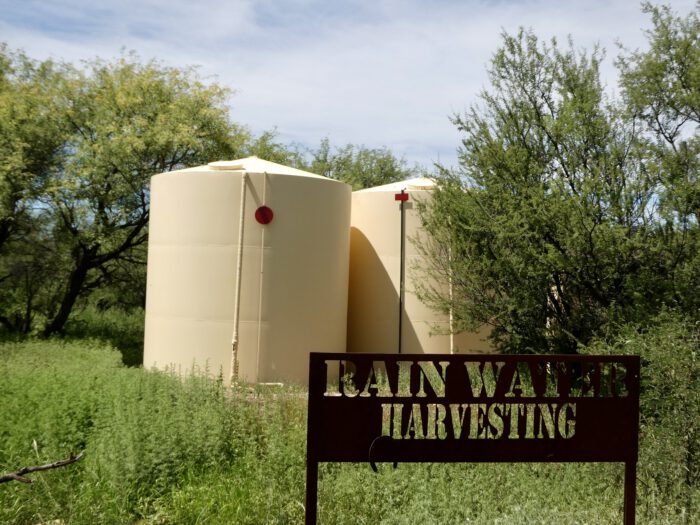
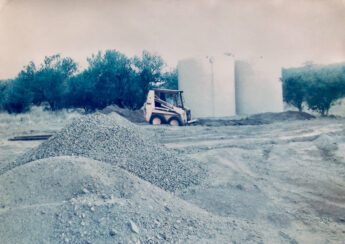
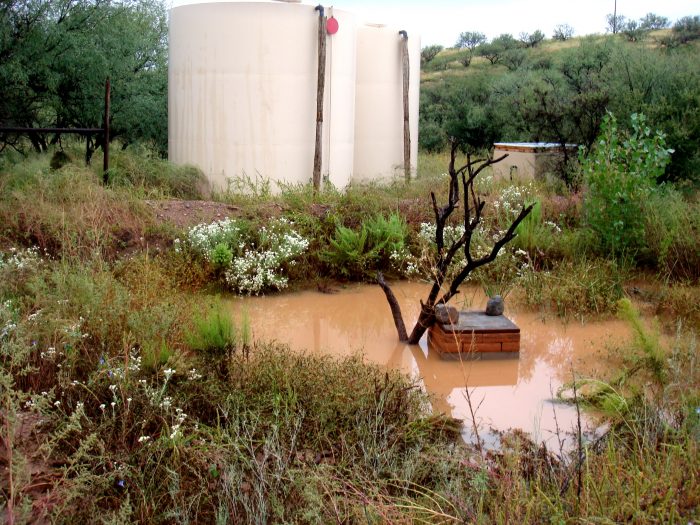
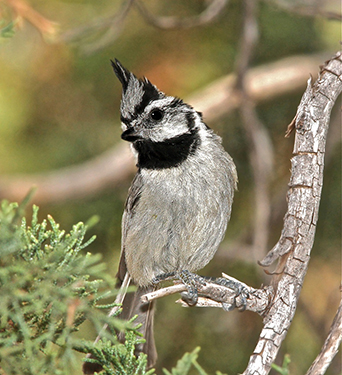
The hard work and substantial investment has paid great dividends. The water stored in the two 10,000-gallon metal cisterns is cycled back to native landscaping and various Wildlife Ponds, helping to support biodiversity. Countless species have benefitted from this water conservation initiative over the years. Warblers, tanagers, orioles, and many other migrating birds use the native landscaping as a waystation en route to their breeding or wintering grounds. Breeding birds at the preserve gain crucial calories and build nests in restored habitats. Wintering birds flock to Raven’s Nest, filling its woodlands, fields, arroyos, and canyons with life each year as they bide their time until spring migration. All of these bird species both drink and bath at our wildlife ponds, which also host native riparian plants such as sedges, willows, and duckweed.
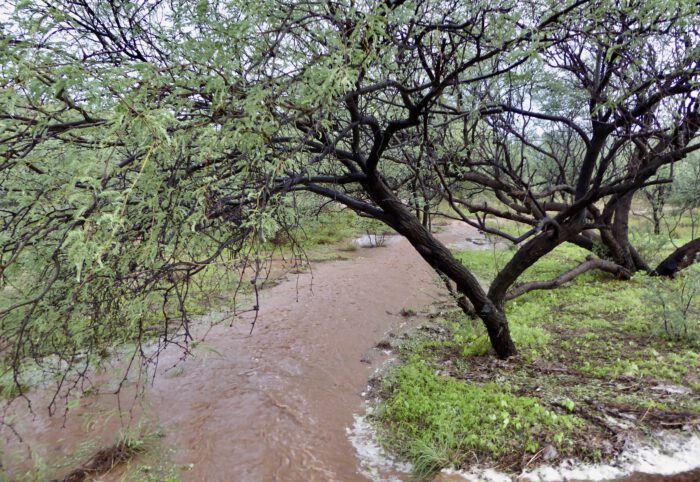
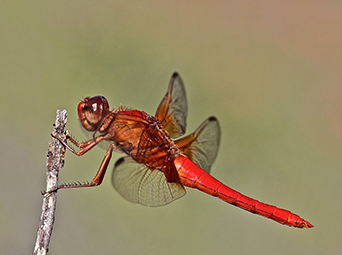
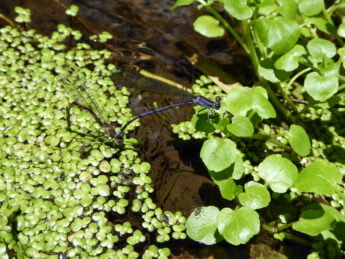
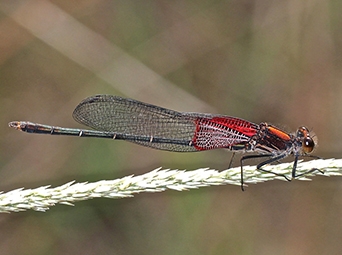
Various native aquatic species, such as damselflies and dragonflies, abound in the Wildlife Ponds – part of a thriving underwater ecosystem in miniature. Sonoran Desert Toads and Mexican Spadefoots breed in the ponds, adding their amorous choruses during monsoon season. A plethora of other native wildlife species visit both the ponds and the native landscaping for their survival needs – all courtesy of the Rainwater Harvesting System.





RAVENS-WAY WILD JOURNEYS HAS BEEN FEATURED IN:
- Patagonia Regional Times – August/September 2019 Read Article
- Nogales International – September 1, 2017 Read Article
- Green Valley News – September 18, 2017 Read Article
- The Vermillion Flycatcher – Tucson Audubon Society Read Article